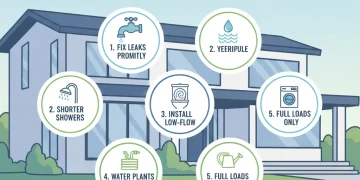
Water Conservation at Home: 7 Practical Solutions to Cut Usage by 20% This Year

Anúncios
Water Conservation at Home: 7 Practical Solutions to Cut Usage by 20% This Year
In an era where environmental consciousness is paramount, home water conservation has emerged as a critical practice for every household. Not only does it contribute significantly to preserving our planet’s most precious resource, but it also offers tangible financial benefits by reducing utility bills. Imagine cutting your water usage by a remarkable 20% this year. It’s not just a pipe dream; it’s an achievable goal with the right strategies and a bit of commitment. This comprehensive guide will walk you through seven practical and impactful solutions for home water conservation that you can implement starting today.
Anúncios
The urgency for effective home water conservation cannot be overstated. Freshwater resources are finite, and increasing global populations, coupled with changing climate patterns, are placing immense pressure on these supplies. Every drop saved at home contributes to a larger collective effort, helping to ensure water availability for future generations and supporting healthy ecosystems. Beyond the environmental imperative, the economic advantages are clear. Lowering your water consumption directly translates to lower water bills, freeing up household finances for other needs. Moreover, by reducing hot water usage, you also decrease energy consumption, leading to even greater savings on your heating costs.
Many people believe that significant water savings require drastic lifestyle changes or expensive renovations. However, this is a common misconception. A multitude of effective home water conservation strategies are surprisingly simple, inexpensive, and easy to integrate into your daily routine. From quick fixes in the kitchen and bathroom to smarter outdoor watering practices, these solutions demonstrate that small adjustments can lead to substantial reductions in your overall water footprint. Our aim is to empower you with actionable advice, transforming your home into a bastion of water efficiency without compromising comfort or convenience.
Anúncios
Let’s dive into the core of home water conservation. We’ll explore each solution in detail, providing practical tips, explaining the benefits, and offering insights into how to maximize their impact. By the end of this article, you’ll have a clear roadmap to achieving your 20% water reduction goal, making your home a more sustainable and cost-effective place to live.
1. Fix Leaks Promptly: The Silent Water Wasters
One of the most overlooked yet significant areas for home water conservation is addressing leaks. A dripping faucet might seem like a minor annoyance, but cumulatively, even small leaks can waste thousands of gallons of water per year. According to the EPA, household leaks can account for more than 10,000 gallons of water wasted annually in the average home, equivalent to the amount of water needed to wash 270 loads of laundry. Toilet leaks are particularly insidious because they are often silent and can waste even more water than dripping faucets.
Identifying Leaks: Your First Step in Water Conservation
The first step in effective home water conservation through leak detection is to regularly check for visible drips. Inspect all faucets, showerheads, and outdoor spigots. Look for rust stains or puddles under pipes in cabinets, utility rooms, and the basement. However, many leaks are not visible. The most common hidden culprit is a leaking toilet.
To check for a toilet leak, remove the tank lid and add a few drops of food coloring to the tank water. Do not flush the toilet for at least 15-20 minutes. If you see colored water in the toilet bowl, you have a leak. This usually indicates a faulty flapper or flush valve, which are relatively inexpensive and easy to replace. Another method is to listen for phantom flushing sounds when no one is using the toilet.
The Water Meter Test: A Comprehensive Leak Detector
For a more comprehensive leak detection strategy that covers your entire plumbing system, use your water meter. First, ensure no water is being used inside or outside your home. Turn off all faucets, washing machines, dishwashers, and irrigation systems. Then, locate your water meter and write down the current reading. Wait for about 15-30 minutes, ensuring absolutely no water is consumed during this period. Read the meter again. If the reading has changed, it indicates a leak somewhere in your system. This method is incredibly effective for identifying hidden leaks in pipes that might be underground or within walls, areas where leaks can go unnoticed for extended periods, leading to substantial water waste and potential structural damage.
Repairing Leaks: Simple DIY or Professional Help
Many common leaks, such as those from faucets or toilet flappers, can be fixed with basic DIY skills and readily available parts from a hardware store. Replacing a washer in a dripping faucet or a flapper in a running toilet can cost just a few dollars and take less than an hour. However, for more complex leaks, especially those involving main pipes or hidden plumbing, it’s always advisable to call a professional plumber. Investing in timely repairs is a cornerstone of effective home water conservation and can save you significant amounts of water and money in the long run.
By making leak detection and repair a regular part of your home maintenance routine, you can prevent countless gallons of water from literally going down the drain. This simple yet powerful step is often the quickest way to see an immediate reduction in your water consumption and contribute meaningfully to home water conservation efforts.
2. Upgrade to Water-Efficient Appliances and Fixtures
Investing in water-efficient appliances and fixtures is a highly effective long-term strategy for home water conservation. While it may require an initial outlay, the savings on your water and energy bills, coupled with the environmental benefits, make it a worthwhile endeavor. The WaterSense label, backed by the EPA, is your guide to identifying products that are independently certified to use at least 20% less water and perform as well as or better than conventional models.
Low-Flow Showerheads and Faucets: Everyday Savings
Replacing old, inefficient showerheads and faucets with WaterSense labeled models is one of the easiest and most impactful upgrades for home water conservation. Traditional showerheads can flow at 2.5 gallons per minute (gpm) or more. WaterSense labeled showerheads, however, use no more than 2.0 gpm, saving a significant amount of water over the course of a year. Similarly, WaterSense labeled bathroom faucets and aerators flow at a maximum of 1.5 gpm, compared to older models that can flow at 2.2 gpm or more. The technology in these devices ensures that you don’t sacrifice water pressure or comfort for efficiency. The savings quickly add up, especially for larger families.

High-Efficiency Toilets: The Biggest Impact
Toilets are often the biggest water users in the home, accounting for nearly 30% of residential indoor water consumption. Older toilets can use as much as 3.5 to 7 gallons per flush (gpf). WaterSense labeled toilets, on the other hand, use 1.28 gpf or less, representing a substantial reduction in water usage with each flush. If your home has older, inefficient toilets, upgrading to high-efficiency models can dramatically reduce your overall water consumption. Dual-flush toilets, which offer a choice between a full flush for solid waste and a reduced flush for liquid waste, are another excellent option for maximizing home water conservation.
Energy-Efficient Washing Machines and Dishwashers
When it’s time to replace your washing machine or dishwasher, prioritize models with the ENERGY STAR label. These appliances are designed not only to be energy-efficient but also to use significantly less water. ENERGY STAR certified washing machines use about 25% less energy and 33% less water than regular models. They often feature larger tub capacities, meaning you can wash more laundry in fewer loads. Similarly, ENERGY STAR certified dishwashers are engineered to clean dishes effectively while using less water and energy, often consuming less than 3.5 gallons per cycle compared to older models that can use up to 10-15 gallons per cycle. These upgrades are crucial for comprehensive home water conservation.
While the initial cost of these appliances might be higher, consider the long-term savings on your utility bills and the positive environmental impact. Many local utilities offer rebates for installing WaterSense or ENERGY STAR certified products, further offsetting the cost. By strategically upgrading your home with energy-efficient appliance and fixtures, you’re making a lasting commitment to home water conservation and enjoying a more sustainable lifestyle.
3. Optimize Your Outdoor Water Usage
Outdoor watering can account for a significant portion of a household’s total water consumption, especially in drier climates. Effective home water conservation extends beyond the walls of your house and into your garden and lawn. By adopting smarter outdoor watering practices, you can maintain a beautiful landscape while drastically reducing water waste.
Watering Wisely: Timing and Technique
The timing of your watering makes a huge difference. Water your lawn and garden early in the morning (before 10 AM) or late in the evening (after 6 PM). During these cooler parts of the day, evaporation rates are lower, allowing more water to penetrate the soil and reach plant roots. Watering in the middle of the day, especially during hot, sunny conditions, leads to significant water loss through evaporation. Avoid overwatering; most lawns only need about 1 inch of water per week, including rainfall. You can measure this by placing an empty tuna can in your sprinkler’s watering path and timing how long it takes to collect an inch of water.
Consider the ‘tune-up’ approach for your irrigation system. Regularly check sprinkler heads for proper alignment and ensure they are watering plants and not pavement. Repair any broken sprinkler heads or leaky hoses promptly. A single broken sprinkler head can waste hundreds of gallons of water in a short period. For targeted home water conservation, use drip irrigation systems or soaker hoses for garden beds. These systems deliver water directly to the plant roots, minimizing evaporation and runoff, and are far more efficient than traditional sprinklers.
Xeriscaping and Drought-Tolerant Plants
One of the most impactful long-term strategies for outdoor home water conservation is xeriscaping – a landscaping approach that reduces or eliminates the need for supplemental water from irrigation. This involves selecting drought-tolerant native plants that are naturally adapted to your local climate and require less water to thrive. These plants often have deeper root systems, allowing them to access water from deeper soil layers. Grouping plants with similar water needs together also helps in efficient watering. Replace thirsty lawns with groundcovers, mulched areas, or hardscaping where appropriate. Using a thick layer of mulch (2-4 inches) around plants helps retain soil moisture, suppresses weeds, and regulates soil temperature, further reducing the need for frequent watering.

Rainwater Harvesting: Free Water for Your Garden
Rainwater harvesting is an ancient yet increasingly popular method for home water conservation. By installing rain barrels or a more extensive rainwater collection system, you can capture rainwater from your roof and store it for later use. This collected water is perfect for watering plants, gardens, and even washing cars or outdoor surfaces. Not only is it free, but rainwater is also excellent for plants as it’s free of the chlorine and other chemicals found in treated tap water. A typical roof can collect hundreds of gallons of water from even a moderate rain shower, providing a sustainable and readily available source of water for your outdoor needs.
By implementing these outdoor water-saving strategies, you can significantly reduce your household’s overall water consumption, contribute to local water conservation efforts, and still enjoy a vibrant and healthy landscape. It’s a win-win for your wallet and the environment.
4. Adopt Water-Saving Habits in the Bathroom
The bathroom is often the largest consumer of water within the home, making it a prime target for home water conservation efforts. Simple changes in daily routines can lead to substantial savings without compromising hygiene or comfort.
Shorter Showers and Turning Off the Tap
One of the easiest ways to save water is to take shorter showers. Reducing your shower time by just a few minutes can save dozens of gallons per week. Consider installing a shower timer or simply being mindful of the time you spend under the water. Another crucial habit is to turn off the water while you’re soaping up, shampooing, or shaving. This simple act can save several gallons each time. Similarly, when brushing your teeth, turn off the faucet instead of letting it run. A running faucet can waste several gallons of water per minute. These small behavioral changes are fundamental to effective home water conservation.
Reusing Greywater (Carefully)
For those looking to take home water conservation to the next level, consider carefully reusing ‘greywater.’ Greywater is wastewater from sinks, showers, bathtubs, and washing machines (excluding toilet water and water from kitchen sinks, which may contain food particles and grease). This water, while not potable, is often suitable for non-potable uses like watering outdoor plants or flushing toilets. Simple greywater systems can involve collecting shower warm-up water in a bucket for your plants, or more complex systems can reroute washing machine discharge directly to your garden. Always research local regulations and consult with experts before installing any greywater recycling system to ensure it’s done safely and legally. This advanced strategy can significantly reduce your reliance on fresh water for irrigation.
Mindful Flushing
As mentioned earlier, toilets are major water users. Beyond upgrading to high-efficiency models, conscious flushing habits can also contribute to home water conservation. The old adage, ‘if it’s yellow, let it mellow; if it’s brown, flush it down,’ is a direct approach to reducing flushes. While not for everyone, it highlights the potential for saving water with each avoided flush. If you have a dual-flush toilet, always remember to use the appropriate flush setting for liquid waste. These small considerations in the bathroom can lead to significant overall water savings for your household.
By implementing these water-saving habits and considering greywater reuse, you can transform your bathroom into a more water-efficient space, making a tangible difference in your household’s home water conservation efforts.
5. Smart Practices in the Kitchen and Laundry Room
The kitchen and laundry room are other significant areas where daily activities consume a considerable amount of water. Implementing smart practices in these spaces is essential for comprehensive home water conservation.
Full Loads for Dishwashers and Washing Machines
One of the simplest yet most effective tips for home water conservation in these areas is to always run your dishwasher and washing machine only when they are full. Both appliances use roughly the same amount of water and energy regardless of whether they are half-empty or completely loaded. Waiting until you have a full load maximizes efficiency and minimizes water waste. For washing machines, also select the appropriate load size setting if your machine offers this option, ensuring it uses only the necessary amount of water for the clothes being washed.
Efficient Dishwashing Techniques
If you don’t have a dishwasher or prefer to wash dishes by hand, adopt water-saving techniques. Instead of letting the water run continuously while washing, fill one basin with wash water and another with rinse water. Alternatively, rinse dishes quickly under a gentle stream of water. Scrape food scraps into the trash or compost rather than rinsing them down the drain, which can lead to excessive water use and potential drain blockages. Soaking heavily soiled pots and pans for a few minutes before washing also makes cleaning easier and reduces the need for constant running water.
Thawing Food and Chilling Water
Avoid thawing frozen food under running hot water. This is a significant waste of both water and energy. Instead, plan ahead and thaw frozen items overnight in the refrigerator. For quick thawing, use the microwave. Similarly, instead of letting the tap run until the water gets cold enough to drink, keep a pitcher of tap water in the refrigerator. This ensures you always have cold, refreshing water available without wasting a single drop. These small adjustments in the kitchen contribute significantly to home water conservation.
Reuse Water When Possible
Look for opportunities to reuse water in the kitchen. For example, the water used to rinse vegetables or pasta can be collected and used to water houseplants or your garden. If you boil eggs or vegetables, the cooled water can also be nutritious for plants. Every bit of reused water contributes to your overall home water conservation goals.
By being mindful of how you use water in your kitchen and laundry room, you can make a substantial impact on your household’s total water consumption. These smart practices are easy to integrate into your daily routine and offer immediate benefits for both your wallet and the environment.
6. Monitor Your Water Usage and Educate Your Household
Knowledge and awareness are powerful tools in the quest for effective home water conservation. Understanding how much water your household uses, where it’s being used, and educating everyone in the home about the importance of saving water can lead to significant reductions.
Regularly Check Your Water Bill
Your water bill is more than just a payment reminder; it’s a valuable diagnostic tool for home water conservation. Regularly review your bill to track your monthly or quarterly water consumption. Look for unusual spikes in usage that might indicate a hidden leak or a change in habits. Many utility companies now offer online portals where you can view your real-time water usage, compare it to previous periods, and even set up alerts for high consumption. This data-driven approach allows you to identify trends and pinpoint areas where you can improve your water efficiency.
Engage and Educate Your Family
Home water conservation is a team effort. It’s crucial to involve all members of your household, especially children, in the process. Explain why saving water is important – both for the environment and for the family budget. Make it a fun challenge to see who can come up with the most creative ways to save water. Post reminders near faucets or in bathrooms. When everyone understands the ‘why’ behind water conservation, they are more likely to adopt and maintain water-saving habits. Lead by example, and your family will follow suit.
Conduct a Home Water Audit
For a more detailed understanding of your water consumption, consider conducting a home water audit. Many local water utilities offer free or low-cost water audit kits or even send professionals to your home to assess your water usage. These audits can identify inefficiencies in fixtures and appliances, detect leaks, and provide personalized recommendations for home water conservation. If a professional audit isn’t available, you can perform a DIY audit by tracking the water usage of individual appliances and fixtures over a period of time. This can help you prioritize which upgrades or habit changes will have the most significant impact.
By actively monitoring your water usage and fostering a culture of awareness and responsibility within your home, you lay a strong foundation for sustainable home water conservation. This proactive approach ensures that your efforts are targeted and effective, leading to lasting reductions in water consumption.
7. Consider Water-Saving Landscaping Alternatives
While we touched upon outdoor watering, this section specifically focuses on more radical, yet highly effective, landscaping alternatives for significant home water conservation, especially if you have a large lawn or live in a drought-prone area.
Replace Lawns with Low-Water Alternatives
Traditional lawns, especially those composed of non-native grasses, are incredibly thirsty. Replacing large expanses of lawn with low-water alternatives is one of the most impactful home water conservation strategies for outdoor spaces. Consider converting portions of your lawn to drought-tolerant groundcovers, native plant beds, or even artificial turf. Native plants are adapted to local rainfall patterns and typically require very little supplemental irrigation once established. Artificial turf, while an initial investment, eliminates the need for watering, fertilizing, and mowing, offering long-term savings in both water and maintenance.
Hardscaping and Permeable Surfaces
Integrate hardscaping elements like patios, decks, and pathways into your landscape design. These features not only reduce the area needing water but can also enhance the aesthetic appeal and functionality of your outdoor space. When choosing materials for hardscaping, opt for permeable surfaces like pavers with sand joints or gravel paths. Permeable surfaces allow rainwater to soak into the ground rather than running off, which helps replenish groundwater and reduces stormwater runoff, aligning perfectly with home water conservation principles.
Rain Gardens and Swales
For areas that receive significant rainfall, consider creating a rain garden or swale. A rain garden is a depressed garden bed designed to collect and absorb stormwater runoff from roofs, driveways, and other impervious surfaces. Planted with native, water-loving plants, rain gardens filter pollutants and allow water to slowly infiltrate the soil, recharging groundwater and preventing it from overwhelming storm drains. Swales are shallow, vegetated channels that help direct and slow down the flow of stormwater, allowing it to soak into the ground. Both are excellent examples of passive home water conservation that work with nature to manage water effectively.
Edible Landscaping and Food Gardens
Instead of decorative plants that primarily serve an aesthetic purpose, consider edible landscaping. Grow fruits, vegetables, and herbs that you can consume. While food gardens do require water, growing your own produce often uses less water than commercially grown produce, especially when employing efficient irrigation techniques like drip systems. Plus, you get the added benefit of fresh, healthy food. This integrates sustainable living with home water conservation.
By rethinking your landscape design and embracing these water-saving alternatives, you can drastically reduce your outdoor water footprint, create a more sustainable and biodiverse environment, and make a significant contribution to overall home water conservation efforts.
Conclusion: Your Path to 20% Water Reduction and Beyond
Achieving a 20% reduction in your household water usage this year is not only possible but also surprisingly straightforward when you implement these seven practical home water conservation solutions. We’ve explored how fixing leaks, upgrading to water-efficient appliances, optimizing outdoor watering, adopting water-saving habits in the bathroom, implementing smart kitchen and laundry room practices, monitoring usage, and considering water-saving landscaping alternatives can collectively make a profound difference.
Each of these strategies, whether it’s a simple behavioral change like turning off the tap or a more substantial investment like a high-efficiency toilet, contributes to a larger goal: a more sustainable home and a healthier planet. The financial benefits, in terms of reduced utility bills, are an immediate and welcome bonus, making home water conservation a win-win for both your wallet and the environment.
Remember, sustainability is a journey, not a destination. Start with the changes that are easiest for you to implement and gradually incorporate more as you become accustomed to a water-wise lifestyle. Educate your family, share your knowledge with friends and neighbors, and inspire others to join the movement. Every drop saved counts, and your commitment to home water conservation sets a powerful example.
By taking these steps, you’re not just saving water; you’re investing in the future, conserving a vital resource, and creating a more resilient and eco-friendly home. Start your home water conservation journey today and witness the positive impact you can make.