Bridging the Digital Divide: Solutions for 20 Million Americans in 2026

Anúncios
The year is 2026, and despite rapid technological advancements, a significant portion of the United States population remains disconnected from the digital world. The digital divide, a chasm separating those with access to modern information and communication technology from those without, continues to widen, impacting an estimated 20 million Americans. This isn’t merely about owning a smartphone or having an internet connection; it encompasses the fundamental ability to participate in an increasingly digital society, affecting education, healthcare, employment, and civic engagement. Understanding the multifaceted nature of this challenge and implementing effective digital divide solutions is paramount to fostering an equitable and prosperous future for all Americans.
Anúncios
This comprehensive article delves into the projected landscape of the digital divide in 2026, examining its root causes, profound impacts, and, most importantly, offering actionable strategies and digital divide solutions. We will explore how lack of access to affordable broadband, insufficient digital literacy, and inadequate hardware continue to marginalize vulnerable communities, and outline the collaborative efforts required from government, industry, and civil society to bridge this critical gap.
The Enduring Challenge: Defining the Digital Divide in 2026
The digital divide in 2026 is more nuanced than ever before. It’s no longer solely about whether someone has internet access, but rather the quality, affordability, and utility of that access. High-speed, reliable broadband is a prerequisite for participating in today’s economy and society. Without it, individuals are cut off from remote work opportunities, online learning platforms, telehealth services, and even essential government resources. The Federal Communications Commission (FCC) defines broadband as a minimum of 25 Mbps download and 3 Mbps upload speed, but even this benchmark is increasingly insufficient for the demands of modern applications and multiple users within a household.
Anúncios
Beyond connectivity, the digital divide also encompasses digital literacy – the skills needed to navigate the internet safely and effectively – and access to appropriate devices. Many households may have internet, but lack the knowledge to use it for job searching, accessing healthcare portals, or understanding online civic processes. Similarly, relying solely on a smartphone for all digital tasks can be a significant barrier, particularly for educational and professional endeavors that often require larger screens and keyboard functionality. Addressing these interconnected issues forms the core of effective digital divide solutions.
Who is Most Affected? Understanding the Demographics of Disconnection
The 20 million Americans projected to be on the wrong side of the digital divide in 2026 are not a monolithic group. They disproportionately include:
- Rural Communities: Geographical challenges and lower population densities make it less profitable for internet service providers (ISPs) to invest in robust infrastructure in remote areas.
- Low-Income Households: The cost of broadband subscriptions, devices, and even electricity can be prohibitive for families struggling to meet basic needs.
- Seniors: Many older adults lack the digital skills necessary to fully utilize internet services, and some may have physical limitations that make device interaction challenging.
- Individuals with Disabilities: Accessibility issues with hardware, software, and online content can create significant barriers to digital participation.
- Minority Groups: Systemic inequalities often mean that certain racial and ethnic minority groups are overrepresented in communities facing economic hardship and thus, digital exclusion.
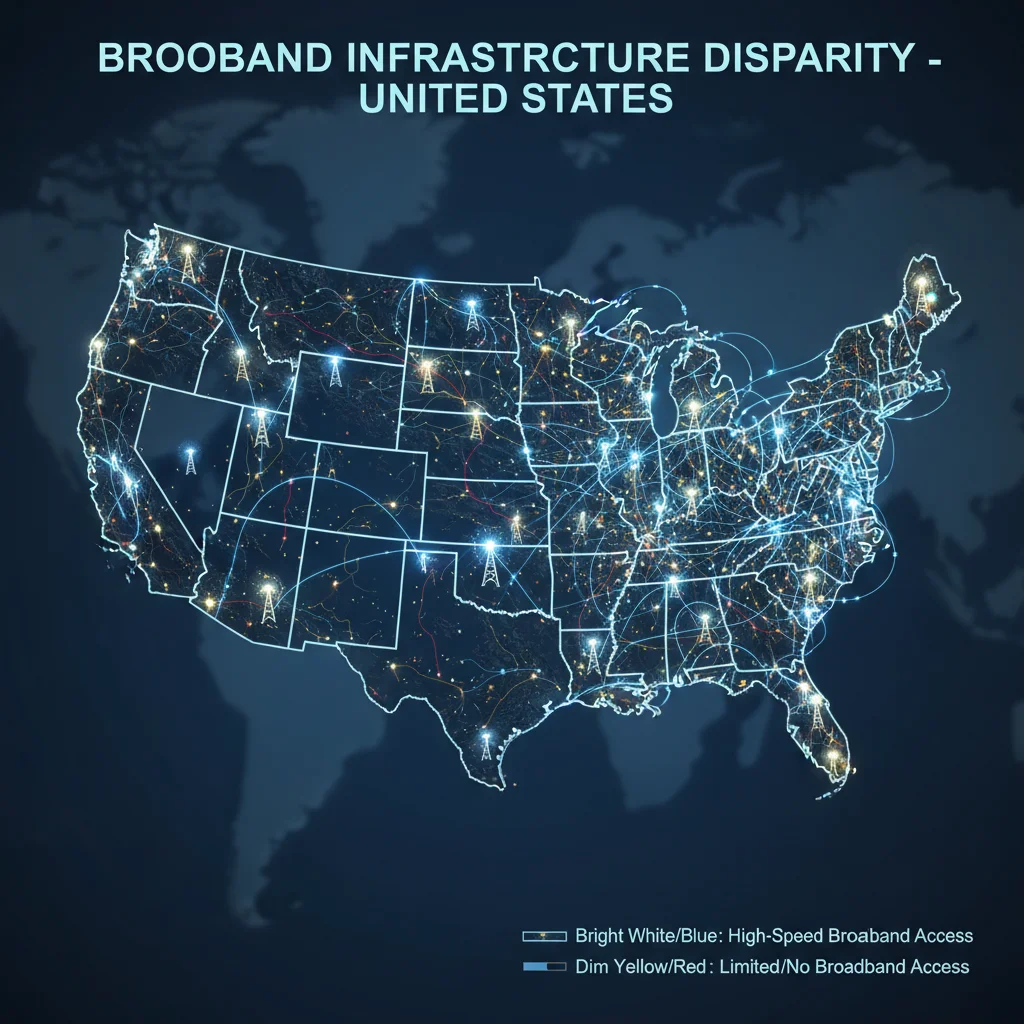
- Tribal Nations: Native American reservations often face some of the most severe broadband infrastructure deficits due to complex land ownership issues and historical underinvestment.
Recognizing these demographic patterns is crucial for designing targeted and impactful digital divide solutions that address specific needs and overcome unique obstacles.
The Far-Reaching Consequences: Why Bridging the Divide Matters
The implications of the digital divide extend far beyond personal inconvenience. They permeate every aspect of society, exacerbating existing inequalities and hindering national progress. The long-term effects of failing to implement robust digital divide solutions are dire.
Economic Disparity and Workforce Gaps
In 2026, a significant portion of jobs require digital proficiency. Individuals without internet access or digital skills are at a severe disadvantage in the job market, limiting their earning potential and contributing to economic inequality. Remote work, a lifeline for many during recent global events, remains inaccessible for those without reliable home internet. Small businesses in underserved areas also suffer, unable to leverage e-commerce, cloud services, or digital marketing to compete effectively. This creates a cycle of poverty and underdevelopment that is difficult to break without targeted digital divide solutions.
Educational Inequality and Future Prospects
Access to online educational resources, virtual classrooms, and digital learning tools is no longer a luxury but a necessity. Students without home internet struggle with homework, fall behind their peers, and are less prepared for higher education or the modern workforce. The “homework gap” disproportionately affects low-income students and those in rural areas, perpetuating educational disparities. Effective digital divide solutions must prioritize equitable access to educational technology and resources from early childhood through higher education.
Healthcare Access and Public Health Outcomes
Telehealth has revolutionized healthcare delivery, offering convenience and access to specialists for many. However, for those without internet, these benefits are out of reach. This can lead to delayed diagnoses, missed appointments, and poorer health outcomes, particularly in rural areas where healthcare facilities may be scarce. Access to online health information, appointment scheduling, and prescription refills also becomes a challenge. Bridging the digital divide is therefore a critical public health imperative, requiring innovative digital divide solutions in the healthcare sector.
Civic Engagement and Social Inclusion
Increasingly, government services, civic information, and opportunities for public participation are moving online. Without digital access, citizens can be excluded from democratic processes, unable to register to vote, access unemployment benefits, or participate in local governance. This digital disenfranchisement weakens communities and undermines the principles of an inclusive society. Comprehensive digital divide solutions must ensure that all citizens can participate fully in civic life.
Actionable Strategies: Implementing Effective Digital Divide Solutions
Addressing the digital divide requires a multi-pronged approach involving policy, infrastructure investment, educational initiatives, and community engagement. Here are some key digital divide solutions to consider for 2026 and beyond:
1. Expanding Affordable Broadband Infrastructure
The most fundamental solution is ensuring that high-speed internet infrastructure reaches every corner of the nation. This involves significant public and private investment in:
- Fiber Optic Expansion: Prioritizing the deployment of future-proof fiber optic networks, especially in unserved and underserved rural and tribal areas.
- Wireless Technologies: Utilizing 5G, fixed wireless, and satellite internet (Starlink, etc.) to complement fiber, particularly in challenging terrains.
- Public-Private Partnerships: Fostering collaboration between government agencies and ISPs to share costs and accelerate deployment.
- Municipal Broadband: Supporting local governments in building and operating their own broadband networks where private providers are unwilling or unable to serve.
Government subsidies and grants, such as those provided by the Broadband Equity, Access, and Deployment (BEAD) program, are crucial for incentivizing infrastructure build-out in economically challenging areas. However, these programs must be efficiently administered and continuously funded to make a lasting impact. These infrastructure investments are foundational digital divide solutions.
2. Promoting Internet Affordability
Even with available infrastructure, the cost of internet service can be a major barrier. Effective digital divide solutions must tackle affordability:
- Affordable Connectivity Program (ACP: Continuing and expanding federal programs like the ACP, which provides subsidies for internet service and devices to low-income households.
- Low-Cost Plans: Encouraging ISPs to offer more affordable, basic internet plans specifically designed for low-income families, without compromising on speed or data caps.
- Community Wi-Fi Initiatives: Supporting the creation of free or low-cost public Wi-Fi hotspots in community centers, libraries, and public spaces, especially in underserved neighborhoods.
- Bulk Purchasing Agreements: Facilitating bulk purchasing of internet services for schools, public housing, and community organizations to reduce costs.
3. Enhancing Digital Literacy and Skills Training
Access to the internet is only useful if individuals possess the skills to navigate it. Digital literacy programs are vital digital divide solutions:
- Community-Based Training: Establishing and funding digital literacy training programs in libraries, community centers, senior centers, and schools. These programs should cover basic computer skills, internet safety, online communication, and specific applications relevant to employment and daily life.
- Curriculum Integration: Integrating digital literacy into K-12 education, ensuring all students graduate with fundamental digital competencies.
- Workforce Development: Partnering with employers and workforce development agencies to offer digital skills training that aligns with current job market demands.
- Accessible Resources: Developing and distributing easy-to-understand guides, tutorials, and online courses in multiple languages and accessible formats for diverse learners.

4. Ensuring Device Access and Affordability
A reliable internet connection is useless without a device to access it. Addressing this hardware gap is another critical component of digital divide solutions:
- Device Grant Programs: Funding programs that provide refurbished or new computers and tablets to low-income households, students, and seniors.
- Refurbishment Initiatives: Supporting non-profit organizations that collect, refurbish, and distribute donated devices, often coupled with digital literacy training.
- Affordable Device Options: Encouraging manufacturers to produce more affordable, functional devices suitable for basic internet use and educational purposes.
- Device Lending Programs: Libraries and schools can expand their device lending programs, offering laptops and hotspots for checkout.
Case Studies and Success Stories: Real-World Digital Divide Solutions in Action
Across the nation, communities are already implementing innovative digital divide solutions. Learning from these successes can inform future strategies:
The Chattanooga Model: Municipal Fiber Success
Chattanooga, Tennessee, is often cited as a prime example of successful municipal broadband. EPB, the city’s public utility, built a fiber-optic network that provides affordable, high-speed internet to every home and business. This initiative has spurred economic development, attracted tech companies, and significantly reduced the local digital divide. Their success demonstrates the power of local control and public investment in critical infrastructure as a leading digital divide solution.
Libraries as Digital Hubs: The Public Library System’s Role
Public libraries have long been at the forefront of bridging the digital divide. They offer free internet access, public computers, and increasingly, device lending programs and digital literacy classes. Many libraries have also become Wi-Fi hotspots, extending connectivity beyond their walls. Their adaptability and community-centric approach make them invaluable partners in deploying digital divide solutions.
Non-Profits Leading the Way: Human-Centered Approaches
Organizations like PCs for People, National Digital Inclusion Alliance (NDIA), and EveryoneOn are working tirelessly to provide low-cost devices, affordable internet, and digital skills training. Their grassroots efforts, often tailored to specific community needs, are essential in reaching the most marginalized populations. These non-profits exemplify human-centered digital divide solutions.
The Role of Policy and Governance in 2026
Government policy plays an indispensable role in shaping the future of digital inclusion. For 2026, key policy considerations for digital divide solutions include:
- Consistent Funding: Ensuring stable, long-term federal funding for broadband infrastructure, affordability programs, and digital literacy initiatives. This requires moving beyond temporary measures and establishing permanent mechanisms.
- Data-Driven Decision Making: Improving broadband mapping and data collection to accurately identify unserved and underserved areas, ensuring resources are directed where they are most needed.
- Regulatory Reform: Streamlining permitting processes for infrastructure deployment and addressing regulatory hurdles that can slow down broadband expansion.
- Digital Equity Planning: Requiring states and localities to develop comprehensive digital equity plans that integrate broadband access, affordability, and digital literacy goals.
- Consumer Protection: Implementing policies that protect consumers from predatory pricing, misleading advertising, and ensure transparency in internet service offerings.
Overcoming Challenges and Ensuring Sustainability
While the path to bridging the digital divide is clear, several challenges must be addressed to ensure the sustainability of digital divide solutions:
Political Will and Bipartisan Support
Digital inclusion should be a non-partisan issue. Sustained political will and bipartisan support are essential for consistent policy and funding over the long term, transcending changes in administration.
Technological Evolution
Technology is constantly evolving. Digital divide solutions must be adaptable and forward-looking, anticipating future broadband speed requirements and emerging digital skills needs to prevent a new form of digital divide from emerging.
Coordination and Collaboration
No single entity can solve the digital divide alone. Effective digital divide solutions require robust coordination and collaboration among federal, state, and local governments, ISPs, community organizations, educational institutions, and the private sector. Siloed efforts are less effective than integrated strategies.
Measuring Impact and Accountability
It is crucial to establish clear metrics and accountability frameworks to measure the impact of digital divide solutions. This includes tracking broadband adoption rates, digital literacy levels, and the economic and social outcomes for previously disconnected communities. Regular evaluation allows for course correction and optimization of programs.
Conclusion: A Digitally Inclusive Future for All Americans
By 2026, the digital divide impacting 20 million Americans represents not just a technological gap, but a fundamental barrier to opportunity and equity. The promise of a fully connected society, where every individual can participate, learn, work, and thrive, remains unfulfilled without concerted effort. However, with targeted investment in infrastructure, robust affordability programs, comprehensive digital literacy training, and equitable device access, this future is within reach. The array of digital divide solutions discussed – from municipal broadband to community-led training – demonstrates that the tools and knowledge exist to close this gap.
Bridging the digital divide is not merely an act of charity; it is an investment in the nation’s human capital, economic competitiveness, and social cohesion. As we move further into the 21st century, ensuring digital inclusion for all Americans will be a defining challenge, and the successful implementation of these digital divide solutions will be a testament to our collective commitment to a more equitable and prosperous future. The time to act decisively and collaboratively is now, to ensure that no American is left behind in the digital age.


