Cut Water Use: 5 Steps to Save 25% Household Water in the US
Anúncios
5 Practical Steps to Reduce Your Household’s Water Consumption by 25% This Year in the US
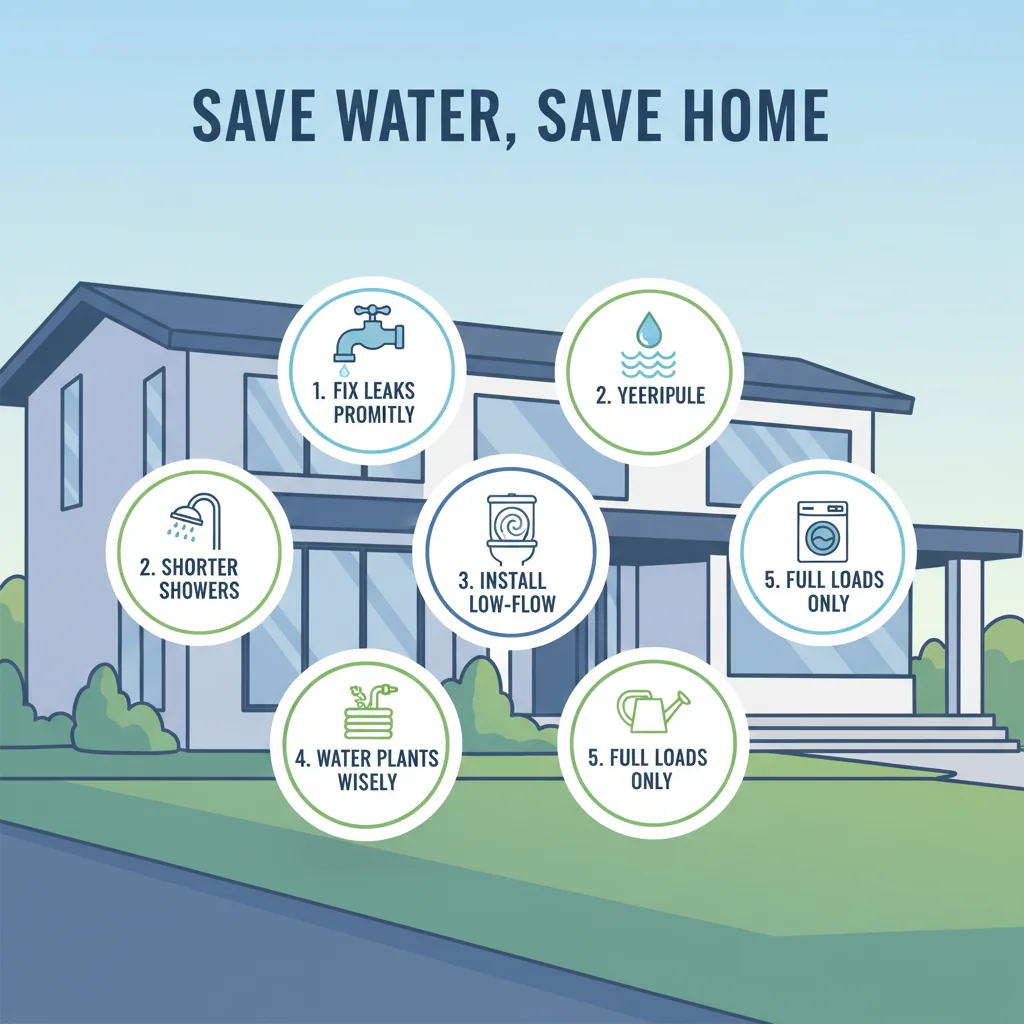
In an era where environmental consciousness is paramount and resource conservation is not just a buzzword but a necessity, focusing on how we utilize water in our homes has become more critical than ever. For households across the United States, the challenge of reducing water consumption is multifaceted, encompassing everything from daily habits to the efficiency of our appliances. This comprehensive guide is designed to empower you with five practical, actionable steps that can realistically help you achieve a significant 25% reduction in your household’s water usage within the next year. By implementing these strategies, you’ll not only contribute to vital water conservation efforts but also enjoy the tangible benefit of lower utility bills. Let’s dive into how you can make a real difference in your home’s water footprint.
Anúncios
Understanding Your Water Footprint: Why Reducing Household Water Matters
Before we delve into the ‘how,’ it’s crucial to understand the ‘why.’ The average American household uses a substantial amount of water daily, often without realizing the cumulative impact. This water is used for everything from showering and flushing toilets to washing clothes and watering lawns. The implications of high water consumption extend beyond your monthly bill; they affect local ecosystems, contribute to energy usage (for heating and transporting water), and can exacerbate drought conditions in many regions of the US. By choosing to reduce household water, you’re embracing a more sustainable lifestyle that benefits both your wallet and the planet. A 25% reduction is an ambitious yet achievable goal, setting a benchmark for meaningful change.
Anúncios
Many Americans might think their individual efforts are too small to make a difference, but collectively, these actions create a powerful wave of change. Every drop saved in every home contributes to a larger national effort to conserve this precious resource. Furthermore, understanding where your water goes is the first step towards effective conservation. Did you know that toilets and showers are often the biggest indoor water users? Or that outdoor irrigation can account for over half of a household’s water use in drier climates? Armed with this knowledge, we can target our efforts more effectively to reduce household water.
Moreover, the cost of water and wastewater services has been steadily rising across the US. Reducing your consumption directly translates into financial savings, making water conservation a smart economic decision for any household. Investing in water-efficient fixtures or changing daily habits might have an upfront cost or require a shift in routine, but the long-term benefits, both environmental and financial, far outweigh these initial considerations. Let’s explore the practical steps you can take to make a significant impact.
Step 1: Upgrade to Water-Efficient Fixtures and Appliances
One of the most impactful ways to reduce household water is by upgrading outdated fixtures and appliances to more water-efficient models. This initial investment can yield substantial long-term savings in water and energy. The Environmental Protection Agency’s (EPA) WaterSense label is an excellent guide for identifying products that are certified to be at least 20% more efficient than conventional models without sacrificing performance. Focusing on the biggest water users in your home will give you the most bang for your buck.
Low-Flow Showerheads and Faucets
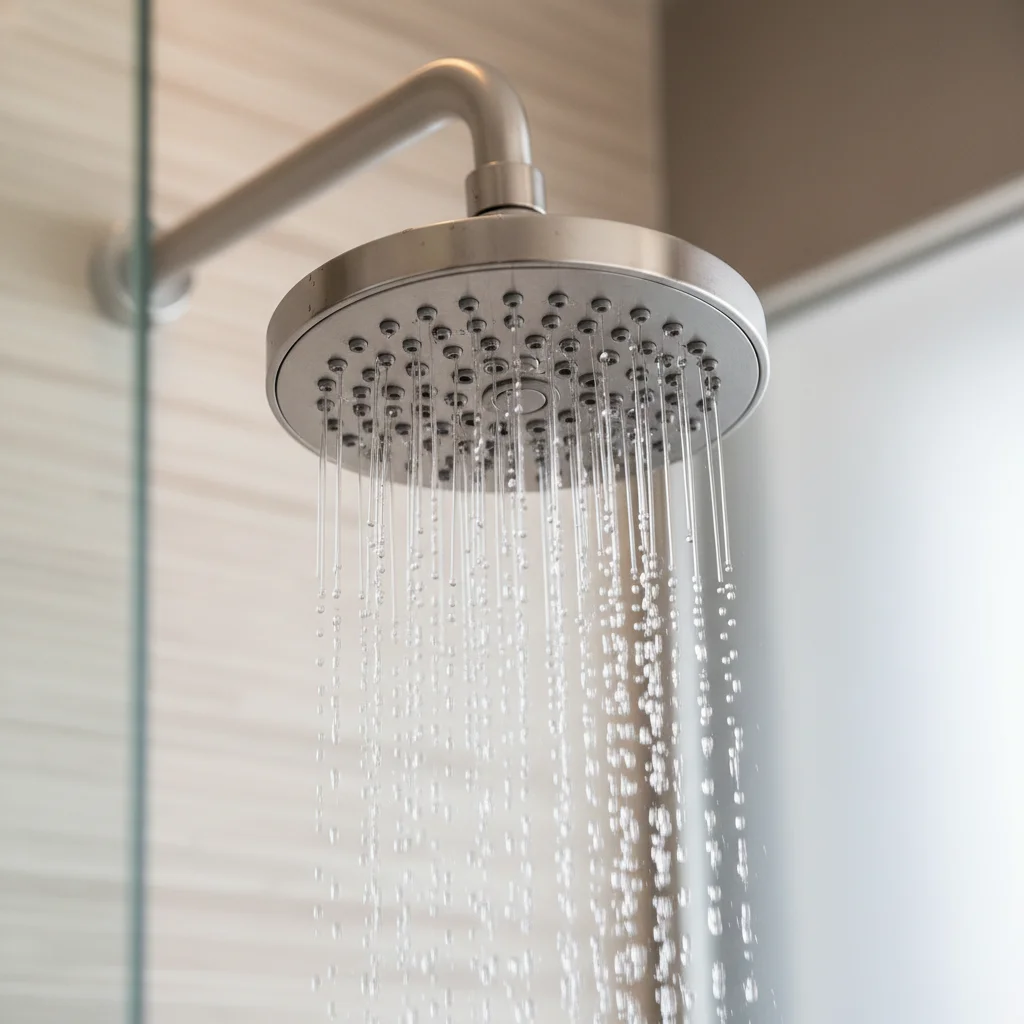
Traditional showerheads can use 2.5 gallons of water per minute (gpm) or more. WaterSense labeled showerheads, however, use no more than 2.0 gpm, saving a significant amount of water over the course of a year. Similarly, older faucets can flow at rates of 2.2 gpm or higher. Upgrading to WaterSense labeled bathroom sink faucets or aerators can reduce flow to 1.5 gpm or less, cutting water use by 30% or more. The cumulative effect of these small changes is enormous. Imagine a family of four, each taking a 10-minute shower daily. Switching to a low-flow showerhead could save thousands of gallons annually. This isn’t just about reducing flow; modern low-flow fixtures are designed to maintain excellent water pressure, ensuring your shower experience remains satisfying while you reduce household water.
High-Efficiency Toilets (HETs)
Toilets are notorious water guzzlers, especially older models that can use 3.5 to 7 gallons per flush (gpf). WaterSense labeled toilets use 1.28 gpf or less – nearly 20% less than the current federal standard of 1.6 gpf. Replacing an old, inefficient toilet with a new HET can save thousands of gallons of water per year. For instance, replacing an older 3.5 gpf toilet with a 1.28 gpf model can save a family of four over 13,000 gallons of water annually. This is a significant step in your journey to reduce household water consumption. Many municipalities in the US also offer rebates for upgrading to HETs, making the transition even more appealing.
Energy-Efficient Washing Machines and Dishwashers
When it comes to appliances, look for models with the ENERGY STAR label, which often also signifies water efficiency. ENERGY STAR certified washing machines use about 25% less energy and 33% less water than regular washers. Similarly, ENERGY STAR certified dishwashers save water and energy. These appliances are designed to clean effectively using less water, thanks to advanced technologies and cycles. While the initial cost might be higher, the long-term savings on water and energy bills, coupled with potential rebates, make them a smart investment for any household aiming to reduce household water.
Step 2: Master Leak Detection and Repair
Leaks are silent water thieves, often going unnoticed for extended periods, leading to significant water waste and inflated bills. A small, constant drip can waste thousands of gallons of water over a year. Detecting and repairing leaks is a crucial, yet often overlooked, step in efforts to reduce household water.
The Toilet Dye Test
One of the most common sources of leaks is the toilet. A running toilet can waste hundreds of gallons of water per day. To check for a silent leak, add a few drops of food coloring or a dye tablet to the toilet tank. Wait 15-20 minutes without flushing. If color appears in the bowl, you have a leak, likely from a faulty flapper valve. These are inexpensive and relatively easy to replace, offering immediate savings and helping you to reduce household water effectively.
Check Faucets, Showerheads, and Pipes
Regularly inspect all faucets and showerheads for drips. Even a slow drip can add up quickly. Replace worn-out washers or O-rings. Pay attention to any signs of moisture or water stains around pipes under sinks, in the basement, or utility rooms, which could indicate a hidden leak. Addressing these issues promptly not only conserves water but also prevents potential damage to your home’s structure. Learning to identify these small issues is a key part of maintaining a water-efficient home and will significantly help you to reduce household water.
Monitor Your Water Meter
For a comprehensive leak check, turn off all water-using appliances and faucets in your home. Read your water meter, then wait for 15-30 minutes and read it again. If the meter reading has changed, you likely have a leak somewhere in your system. This method can help detect both visible and hidden leaks, including those underground or within walls, which are often the most damaging and wasteful. Identifying and fixing these leaks is a fundamental step towards achieving your 25% reduction goal and will undoubtedly help you to reduce household water.
Step 3: Rethink Your Landscape and Outdoor Water Use
For many US households, outdoor irrigation accounts for a substantial portion of total water consumption, especially in regions with hot, dry summers. Smart landscaping and efficient watering practices can dramatically reduce household water used outdoors.
Xeriscaping and Drought-Tolerant Plants
Consider transforming your landscape into a xeriscape, which is a style of landscaping that requires little or no irrigation. This involves using drought-tolerant or native plants that are adapted to your local climate and require less water once established. Replacing thirsty lawns with these types of plants, mulching, and incorporating hardscapes can drastically cut down on your outdoor water needs. Many communities offer resources and even rebates for xeriscaping, recognizing its importance in water conservation. This not only helps you to reduce household water but also creates a beautiful, low-maintenance garden.
Smart Irrigation Systems
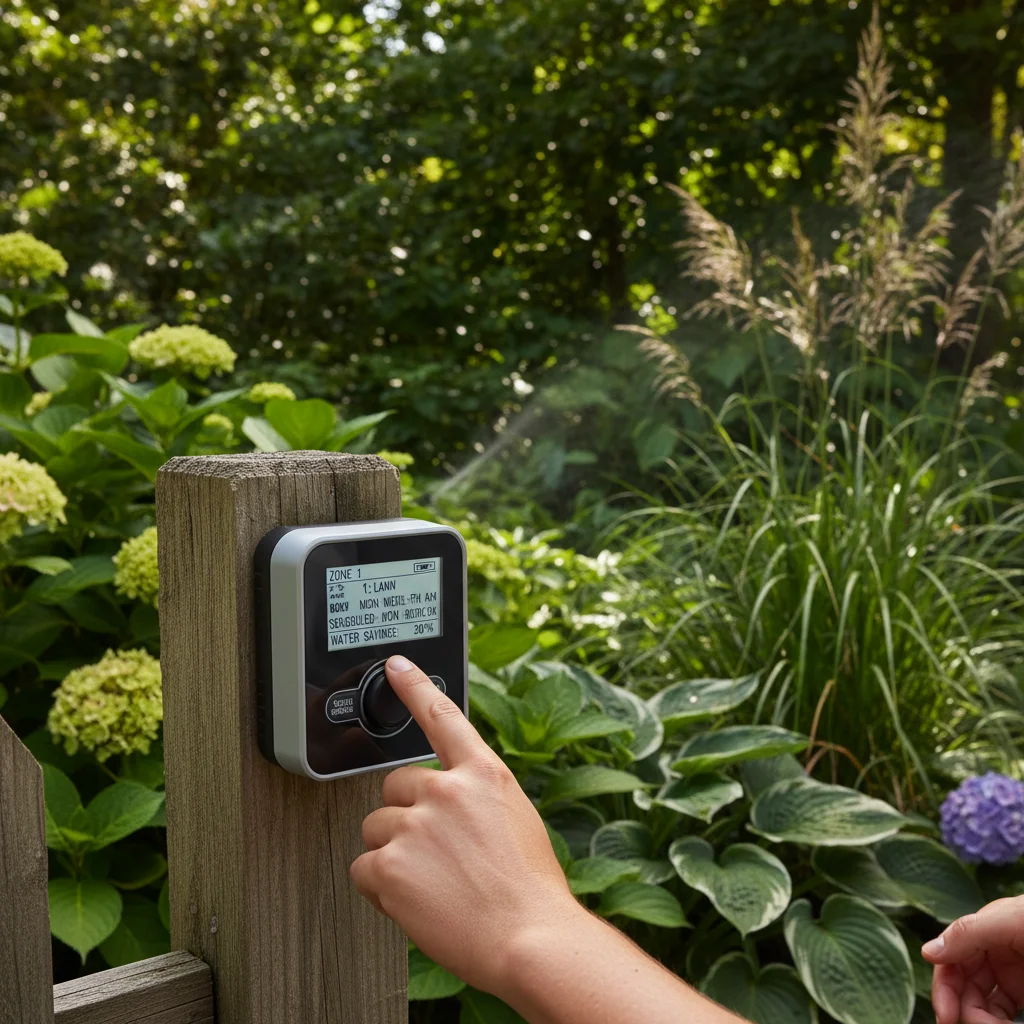
If you have an irrigation system, upgrade to a smart controller. These systems use local weather data, soil moisture sensors, and plant type information to water your landscape only when and where it’s needed. This eliminates wasteful overwatering and ensures your plants receive just the right amount of hydration. A smart irrigation system can save significant amounts of water compared to traditional timers, which often water on a fixed schedule regardless of actual need. Regular maintenance of your irrigation system, checking for leaks, broken sprinkler heads, and ensuring proper coverage, is also essential to reduce household water waste.
Watering Practices
- Water Early or Late: Water your plants in the early morning or late evening to minimize evaporation.
- Deep and Infrequent Watering: Encourage deeper root growth by watering deeply but less frequently. This makes plants more drought-resistant.
- Use Mulch: Apply a layer of mulch around plants and in garden beds to retain soil moisture, suppress weeds, and regulate soil temperature.
- Rain Barrels: Collect rainwater in rain barrels for use on your garden. This free, chemical-free water is excellent for plants and reduces your reliance on municipal water.
By adopting these outdoor strategies, you can significantly reduce household water consumption without sacrificing the beauty of your garden.
Step 4: Cultivate Water-Saving Habits Indoors
While efficient fixtures and leak repairs are critical, daily habits play an equally important role in achieving your goal to reduce household water by 25%. These are simple changes that, when practiced consistently, accumulate into substantial savings.
Shorten Showers and Turn Off the Tap
One of the easiest ways to save water is to reduce your shower time. Aim for five-minute showers; you might be surprised how quickly you can get clean. Consider installing a shower timer to help you keep track. Additionally, turn off the faucet while brushing your teeth, shaving, or scrubbing dishes. This simple act can save gallons of water each day. Imagine the impact across an entire household over a year! These small, mindful actions are powerful tools to reduce household water.
Full Loads for Laundry and Dishwashing
Only run your washing machine and dishwasher when they are full. Both appliances use a significant amount of water per cycle, regardless of the load size. Waiting until you have a full load maximizes the efficiency of each cycle and prevents unnecessary water use. If you must run a partial load, many modern machines have a “half-load” or “eco-mode” setting that uses less water. This is a straightforward habit change that directly contributes to your goal to reduce household water.
Mindful Water Use in the Kitchen
- Thaw Food in the Refrigerator: Instead of using running water to thaw frozen food, plan ahead and thaw it in the refrigerator overnight.
- Rinse Vegetables Efficiently: Use a basin of water to wash fruits and vegetables instead of letting the tap run. You can even reuse this water for houseplants.
- Scrape, Don’t Rinse: Before loading dishes into the dishwasher, scrape food scraps into the trash or compost rather than rinsing them under running water. Modern dishwashers are designed to handle un-rinsed food particles effectively.
- Drink Tap Water: If you drink bottled water, consider switching to tap water and using a filter if necessary. This not only saves water used in bottle production but also reduces plastic waste.
These mindful kitchen practices are easy to adopt and collectively make a big difference in how much you reduce household water.
Step 5: Educate and Engage Your Household
Achieving a 25% reduction in water consumption is a team effort. Engaging every member of your household in water conservation practices is paramount for sustained success. Education and collective responsibility are key to making these changes stick and truly embed a water-saving culture in your home.
Open Communication and Awareness
Talk to your family members about the importance of water conservation. Explain why these changes are being made – whether it’s for environmental reasons, financial savings, or both. When everyone understands the ‘why,’ they are more likely to adopt the ‘how.’ Share facts about local water supplies, drought conditions, or even just the amount of water used in daily activities. Make it a positive and empowering conversation, not a restrictive one. This collective understanding is vital to consistently reduce household water.
Lead by Example
As the primary initiator of these changes, your actions will speak volumes. Consistently practice the water-saving habits you want to see in others. Shorten your showers, turn off the tap, and ensure appliances are run with full loads. Children, in particular, learn by observation, and seeing adults actively conserve water will instill good habits in them from a young age. Being a role model is one of the most effective ways to foster a water-conscious household and collectively reduce household water.
Track Progress and Celebrate Successes
Set up a system to monitor your water usage. Many utility companies offer online portals where you can track your consumption month-to-month. Share this data with your family. When you see a reduction in your water bill or consumption charts, celebrate these successes! Positive reinforcement can motivate everyone to continue their efforts. Perhaps a portion of the money saved can go towards a family treat or a new water-saving garden feature. Making water conservation a visible and rewarding endeavor will reinforce the positive behaviors and help your family to consistently reduce household water.
Involve Children in Water-Saving Activities
Turn water conservation into a fun learning experience for children. Let them help with tasks like checking for toilet leaks with dye tablets, watering plants with collected rainwater, or reminding family members to turn off faucets. There are many educational resources and games available online that teach kids about the water cycle and the importance of conservation. Engaging them actively will not only teach them valuable lessons but also make them enthusiastic participants in your household’s goal to reduce household water.
Conclusion: Making Water Conservation a Lifestyle
Achieving a 25% reduction in your household’s water consumption within a year is an ambitious but entirely attainable goal for any US home. By systematically implementing these five practical steps – upgrading to water-efficient fixtures, diligently detecting and repairing leaks, rethinking outdoor water use, cultivating mindful indoor habits, and engaging every member of your household – you will make a profound difference. These aren’t just one-time fixes; they are changes that, once adopted, become part of a sustainable lifestyle, continually helping you to reduce household water.
The benefits extend far beyond your utility bill. You’ll be contributing to the health of your local environment, supporting broader conservation efforts, and setting a positive example for your community. Start today by choosing one or two steps to focus on, and gradually incorporate more. With commitment and consistency, your household can become a beacon of water efficiency, proving that collective small actions lead to significant, impactful change. Let’s work together to protect this invaluable resource for future generations, starting right in our own homes by committing to reduce household water.


