Data Breach Rights 2026: Protect Your Personal Information
Anúncios
Your Data Breach Rights in 2026: A Comprehensive Guide to Protecting Your Personal Information and Seeking Redress
In an increasingly digital world, the security of our personal information has become a paramount concern. Data breaches are no longer a rare occurrence but a persistent threat that can have severe consequences for individuals. As we navigate 2026, understanding your Data Breach Rights is more crucial than ever. This comprehensive guide will equip you with the knowledge to protect your personal information, identify a breach, and effectively seek redress when your data has been compromised.
Anúncios
The digital landscape evolves rapidly, and with it, the sophistication of cyber threats. From major corporations to small businesses, no entity is entirely immune to data breaches. The impact on individuals can range from mere inconvenience to severe financial loss and identity theft. Knowing your Data Breach Rights empowers you to take control, demand accountability, and secure your digital future. This article aims to demystify the complex legal frameworks and practical steps involved in safeguarding your data and asserting your rights in 2026.
Anúncios
Understanding What Constitutes a Data Breach
Before delving into your Data Breach Rights, it’s essential to understand what exactly a data breach entails. A data breach occurs when unauthorized individuals gain access to confidential, sensitive, or protected data. This can happen through various means, including cyberattacks, human error, or system vulnerabilities. The type of data compromised can vary widely, from names and addresses to social security numbers, financial details, medical records, and even biometric information.
Common types of data breaches include:
- Hacking: Malicious actors exploiting vulnerabilities in computer systems or networks to gain unauthorized access. This is a common method for compromising sensitive information.
- Phishing: Deceptive communications designed to trick individuals into revealing personal information, often by impersonating trusted entities.
- Malware: Software designed to damage, disable, or gain unauthorized access to computer systems. Ransomware, a type of malware, encrypts data and demands payment for its release.
- Insider Threats: Data compromise caused by current or former employees, contractors, or business associates, either maliciously or inadvertently.
- Physical Theft: The loss or theft of devices (laptops, hard drives, USBs) containing unencrypted personal data.
- Human Error: Accidental disclosure of data, such as sending an email with sensitive information to the wrong recipient or misconfiguring a database.
The severity of a data breach depends on the nature of the compromised data and the potential for harm to the individuals affected. Regardless of the cause, if your personal information has been accessed or disclosed without your permission, your Data Breach Rights may come into play.
The Evolving Legal Landscape of Data Protection in 2026
The legal framework surrounding data protection is dynamic, with new regulations emerging and existing ones being strengthened. In 2026, several key regulations continue to shape your Data Breach Rights globally and regionally. Understanding these laws is fundamental to asserting your rights.
General Data Protection Regulation (GDPR) – Europe
The GDPR, enacted by the European Union, remains one of the most stringent data protection laws worldwide. It grants individuals significant rights over their personal data, including:
- Right to be informed: Organizations must provide clear and transparent information about how personal data is processed.
- Right of access: Individuals can request access to their personal data held by an organization.
- Right to rectification: The right to have inaccurate personal data corrected.
- Right to erasure (Right to be forgotten): Under certain conditions, individuals can request the deletion of their personal data.
- Right to restrict processing: The right to limit the way an organization uses personal data.
- Right to data portability: Individuals can obtain and reuse their personal data for their own purposes across different services.
- Right to object: The right to object to the processing of personal data in certain circumstances.
- Rights in relation to automated decision making and profiling: Rights concerning decisions made solely based on automated processing that produce legal or similarly significant effects.
Crucially, the GDPR mandates strict breach notification requirements. Organizations must notify supervisory authorities within 72 hours of becoming aware of a breach, and individuals must be notified without undue delay if the breach poses a high risk to their rights and freedoms. Failure to comply can result in substantial fines.
California Consumer Privacy Act (CCPA) and California Privacy Rights Act (CPRA) – United States
In the United States, California has led the way with robust data privacy laws. The CCPA, significantly bolstered by the CPRA (effective January 1, 2023), grants California consumers extensive rights, including:
- Right to know: Consumers can request information about the personal data collected, used, shared, or sold.
- Right to delete: The right to request deletion of personal data collected from them.
- Right to opt-out: The right to opt-out of the sale or sharing of their personal data.
- Right to correct inaccurate personal information: The right to request correction of inaccurate personal data.
- Right to limit use and disclosure of sensitive personal information: The right to direct businesses to limit the use and disclosure of sensitive personal information.
The CCPA/CPRA also includes specific provisions for data breaches, allowing consumers to seek statutory damages if their non-encrypted or non-redacted personal information is subject to an unauthorized access and exfiltration, theft, or disclosure as a result of a business’s violation of the duty to implement and maintain reasonable security procedures and practices.
Other Regional and National Laws
Beyond GDPR and CCPA/CPRA, numerous other laws globally protect your Data Breach Rights, such as the Personal Information Protection and Electronic Documents Act (PIPEDA) in Canada, the Lei Geral de Proteção de Dados (LGPD) in Brazil, and various state-specific laws emerging across the U.S. Each of these laws contributes to a complex, but increasingly comprehensive, web of protections for personal data.
Identifying and Responding to a Data Breach
Knowing that a data breach has occurred is the first step toward exercising your Data Breach Rights. However, identifying a breach isn’t always straightforward. While some breaches are publicly announced, others might go unnoticed for a period.
How to Detect a Potential Data Breach
- Unexpected Account Activity: Noticing unauthorized transactions, login attempts from unfamiliar locations, or changes to your account settings.
- Suspicious Communications: Receiving phishing emails or messages that seem to know personal details about you.
- Identity Theft Indicators: Unfamiliar accounts opened in your name, unexpected debt collection calls, or a sudden drop in your credit score.
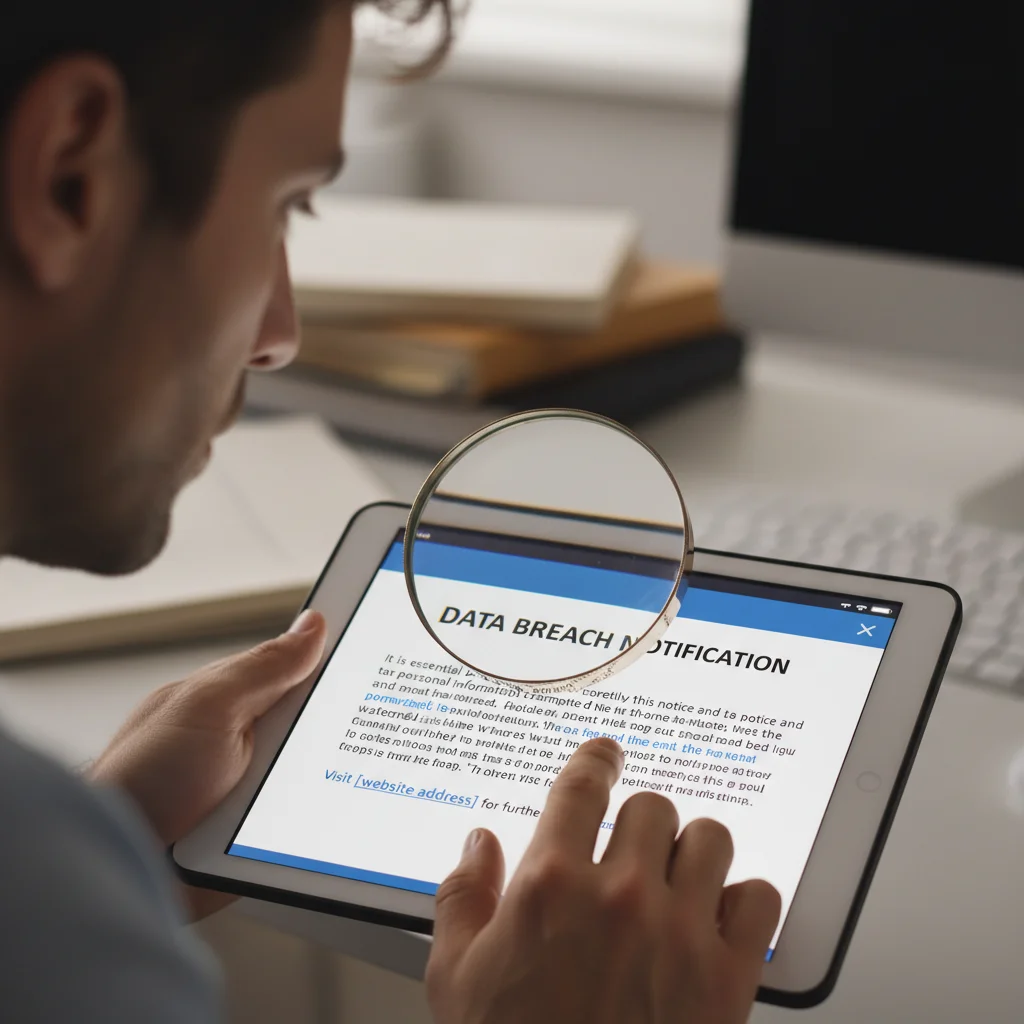
- Breach Notifications: Receiving an official notification from a company informing you that your data has been compromised.
- Public Announcements: News reports about major data breaches affecting companies you interact with.
Immediate Steps to Take After a Breach Notification
If you receive a data breach notification or suspect your data has been compromised, swift action is critical to mitigate potential harm and assert your Data Breach Rights.
- Change Passwords: Immediately change passwords for the compromised account and any other accounts where you used the same or similar passwords. Use strong, unique passwords for each service.
- Enable Two-Factor Authentication (2FA): Activate 2FA wherever possible to add an extra layer of security to your accounts.
- Monitor Your Accounts: Regularly check your bank statements, credit card reports, and other financial accounts for suspicious activity.
- Place a Fraud Alert or Credit Freeze: Contact credit bureaus (Experian, Equifax, TransUnion) to place a fraud alert on your credit file or freeze your credit. This can prevent identity thieves from opening new accounts in your name.
- Review Privacy Policies: Understand what type of data the breached organization collected, how it was used, and your options for managing it.
- Report the Incident: Report the breach to relevant authorities, such as the Federal Trade Commission (FTC) in the U.S., or your national data protection authority in other regions.
- Keep Records: Document all communications, actions taken, and any financial losses incurred due to the breach. This will be crucial if you decide to seek redress.
Your Rights to Redress and Compensation
One of the most significant aspects of your Data Breach Rights is the ability to seek redress and compensation for damages incurred. The avenues for seeking redress vary depending on the jurisdiction and the specific circumstances of the breach.
Legal Avenues for Seeking Compensation
- Individual Lawsuits: In some cases, individuals can file personal lawsuits against organizations responsible for the data breach if negligence can be proven and direct damages can be demonstrated.
- Class-Action Lawsuits: More commonly, data breaches lead to class-action lawsuits, where a group of individuals affected by the same breach collectively sue the responsible entity. This can be an effective way to seek compensation, especially when individual damages might be small but collectively significant.
- Regulatory Fines and Enforcement: Data protection authorities can impose substantial fines on organizations that violate data protection laws. While these fines don’t directly compensate individuals, they serve as a deterrent and highlight regulatory enforcement of your Data Breach Rights.
- Arbitration: Some service agreements include arbitration clauses, requiring disputes to be resolved through arbitration rather than traditional court proceedings.
Types of Damages You Can Claim
When seeking compensation for a data breach, you may be able to claim various types of damages:
- Actual Damages: Direct financial losses, such as unauthorized charges, costs incurred to mitigate identity theft (e.g., credit monitoring services), or lost wages due to time spent resolving issues.
- Statutory Damages: Some laws, like the CCPA/CPRA, allow for statutory damages even without proof of actual financial harm, recognizing the inherent value of personal data and the harm caused by its compromise.
- Emotional Distress: In some jurisdictions, individuals may be able to claim compensation for emotional distress, anxiety, or mental anguish resulting from the breach.
- Punitive Damages: In rare cases, if an organization’s conduct was particularly egregious or reckless, courts might award punitive damages to punish the wrongdoer and deter similar behavior in the future.
It’s crucial to consult with a legal professional specializing in data privacy and cybersecurity law to understand your specific options and the likelihood of success in seeking redress. They can help you navigate the complexities of proving negligence, demonstrating damages, and understanding the applicable legal frameworks.
Preventative Measures: Proactively Protecting Your Data
While understanding your Data Breach Rights is essential for post-breach action, prevention is always the best defense. Taking proactive steps to protect your personal information can significantly reduce your risk of becoming a victim.
Best Practices for Personal Data Security
- Strong, Unique Passwords: Create complex passwords for each online account and avoid reusing them. Consider using a reputable password manager.
- Two-Factor Authentication (2FA): Enable 2FA on all accounts that offer it. This adds an extra layer of security, making it much harder for unauthorized users to access your accounts even if they have your password.
- Be Wary of Phishing: Exercise caution with suspicious emails, texts, or calls. Never click on unknown links or download attachments from untrusted sources. Verify the sender’s identity before providing any information.
- Regular Software Updates: Keep your operating system, web browsers, antivirus software, and all applications updated. Updates often include critical security patches.
- Secure Wi-Fi Networks: Use strong encryption (WPA3 or WPA2) for your home Wi-Fi and avoid using public, unsecured Wi-Fi networks for sensitive transactions. Consider a Virtual Private Network (VPN) for added security on public networks.
- Limit Information Sharing: Be mindful of the personal information you share online, especially on social media. The less data available, the less there is for cybercriminals to exploit.
- Review Privacy Settings: Regularly review and adjust the privacy settings on your social media accounts, apps, and online services to control who can access your information.
- Data Minimization: Only provide essential personal information when signing up for services. If a service asks for data that seems irrelevant, question why it’s needed.
- Regular Data Backups: Back up important data regularly to an external hard drive or secure cloud service. This can help in recovery if your data is compromised or lost.
- Educate Yourself: Stay informed about the latest cybersecurity threats and best practices. Knowledge is your most potent defense.
Choosing Secure Services and Vendors
Your data is often held by third-party organizations. When choosing services, consider their commitment to data security and privacy:
- Read Privacy Policies: Before signing up for a service, take the time to read their privacy policy. Understand how they collect, use, store, and share your data.
- Look for Security Certifications: Reputable organizations often have security certifications (e.g., ISO 27001) that indicate adherence to international security standards.
- Research Their Track Record: A quick search can reveal if a company has a history of data breaches or poor security practices.
- Understand Data Processing Agreements: If you’re a business, ensure your vendors have robust data processing agreements that outline their responsibilities in protecting your customers’ data.

The Future of Data Breach Rights and Protection
As technology continues to advance, so too will the challenges and solutions in data protection. In 2026 and beyond, we can anticipate several trends impacting your Data Breach Rights:
- AI and Machine Learning for Security: Artificial intelligence and machine learning will play an increasingly vital role in detecting and preventing cyber threats, offering more sophisticated defenses against breaches.
- Enhanced Regulatory Harmonization: While data protection laws are currently fragmented, there’s a growing push for greater international cooperation and harmonization of regulations, potentially simplifying the landscape for individuals and businesses alike.
- Focus on Data Ethics: Beyond legal compliance, there will be a greater emphasis on ethical data practices, with companies being held to higher standards of transparency and responsibility in how they handle personal information.
- Individual Data Sovereignty: The concept of individuals having greater control and ownership over their personal data will continue to gain traction, potentially leading to new tools and legal frameworks that empower users to manage their digital footprint more effectively.
- Biometric Data Protection: As biometric authentication becomes more common, specific regulations and rights concerning the collection, storage, and use of biometric data will likely strengthen.
- Quantum Computing Threats: The emergence of quantum computing poses a future threat to current encryption methods, necessitating the development of quantum-resistant cryptography to protect data.
Staying informed about these developments will be crucial for maintaining robust personal data security and effectively exercising your Data Breach Rights in the years to come.
Conclusion: Empowering Yourself in the Digital Age
In 2026, the reality of living in a hyper-connected world means that data breaches are an unfortunate, yet persistent, risk. However, this does not mean you are powerless. By understanding your Data Breach Rights, adopting proactive security measures, and knowing how to respond effectively when a breach occurs, you can significantly mitigate the impact and hold responsible parties accountable.
This guide has provided a comprehensive overview of the legal landscape, practical steps for identification and response, avenues for seeking redress, and essential preventative measures. Your personal information is a valuable asset, and asserting your Data Breach Rights is a critical component of digital citizenship. Stay vigilant, stay informed, and empower yourself to protect what’s yours in the evolving digital frontier.
Remember, your journey to data security is ongoing. Regularly review your online habits, update your knowledge of cybersecurity best practices, and remain aware of the legal protections available to you. By doing so, you contribute not only to your own safety but also to a more secure and accountable digital ecosystem for everyone.