EV Charging Infrastructure US: Mid-2026 Outlook & Preparation
Anúncios
The Road Ahead: Navigating the Evolving EV Charging Infrastructure in the U.S. by Mid-2026
Anúncios
The electric vehicle (EV) revolution is no longer a distant dream; it’s a rapidly accelerating reality. As more consumers embrace electric mobility, the demand for robust and accessible EV charging infrastructure becomes paramount. In the United States, significant investments and policy initiatives are shaping the landscape, promising a transformative shift by mid-2026. This comprehensive guide delves into what we can expect from the evolving EV charging infrastructure in the U.S., highlighting key trends, challenges, and how individuals and businesses can prepare for this electrifying future.
The Current State of EV Charging Infrastructure in the U.S.
Before we gaze into the near future, it’s essential to understand where we stand. The U.S. currently boasts a growing network of public and private charging stations, but coverage remains uneven. While urban centers often have a decent concentration of chargers, rural areas and long-distance travel corridors still present significant gaps. The types of chargers available also vary, primarily categorized into Level 1, Level 2, and DC Fast Chargers (DCFC).
Anúncios
- Level 1 Chargers: These utilize a standard 120V AC outlet, offering the slowest charging speeds (typically 2-5 miles of range per hour). They are best suited for overnight charging at home or for plug-in hybrid electric vehicles (PHEVs).
- Level 2 Chargers: Operating on 240V AC, Level 2 chargers are common in homes, workplaces, and public locations. They provide a much faster charge (10-25 miles of range per hour), making them ideal for daily use and longer stops.
- DC Fast Chargers (DCFC): These are the fastest chargers available, using direct current to rapidly replenish an EV’s battery (100-200+ miles of range in 20-60 minutes). DCFCs are crucial for long-distance travel and are typically found along major highways and at commercial hubs.
The patchwork nature of charging networks, varying payment systems, and different connector standards (CCS, NACS, CHAdeMO) have historically presented challenges for EV owners. However, concerted efforts are underway to address these issues and streamline the charging experience.
Key Drivers of EV Charging Infrastructure Growth Towards Mid-2026
Several powerful forces are propelling the expansion and enhancement of the EV charging infrastructure in the U.S. by mid-2026:
Government Initiatives and Funding
The federal government has committed substantial resources to accelerate EV adoption and infrastructure development. The Bipartisan Infrastructure Law (BIL), enacted in 2021, allocates billions of dollars for building out a national network of 500,000 EV chargers along designated alternative fuel corridors. This National Electric Vehicle Infrastructure (NEVI) Formula Program is a cornerstone of the strategy, providing funding to states to deploy DC fast chargers every 50 miles along interstates.
Beyond NEVI, other programs and tax credits are incentivizing private sector investment and consumer adoption. States are also implementing their own initiatives, often complementing federal efforts to create localized charging hubs and support regional EV ecosystems.
Automaker Commitments and Standard Harmonization
Major automakers are heavily invested in the EV transition. Many have pledged to electrify a significant portion of their fleets in the coming years, which naturally necessitates a robust charging ecosystem. A critical development has been the widespread adoption of Tesla’s North American Charging Standard (NACS) by other automakers, including Ford, General Motors, Rivian, and others. This move is poised to significantly simplify the charging experience for consumers by reducing the fragmentation of connector types and opening up Tesla’s extensive Supercharger network to non-Tesla EVs.
Technological Advancements in Charging
Innovation in charging technology is relentless. We can expect to see advancements in:
- Faster Charging Speeds: The average power output of DCFCs will continue to increase, enabling even quicker charge times.
- Battery Technology: Improvements in EV battery chemistry will allow for faster acceptance of charge and greater range, reducing range anxiety.
- Smart Charging Solutions: Sophisticated software and hardware will enable smart charging, optimizing charging times based on grid demand, electricity prices, and user preferences. This includes vehicle-to-grid (V2G) and vehicle-to-home (V2H) capabilities, where EVs can feed power back into the grid or a home during peak demand or outages.
- Wireless Charging: While still in nascent stages for widespread public use, advancements in wireless EV charging could offer unparalleled convenience in the future, particularly for fleet vehicles and urban environments.
Increased EV Sales and Consumer Demand
The fundamental driver for infrastructure growth is the increasing number of EVs on the road. As more attractive and affordable EV models become available, and as fuel prices remain volatile, consumer demand for electric vehicles will continue to surge. This organic growth will naturally necessitate a proportionate expansion of the EV charging infrastructure to keep pace.
What to Expect by Mid-2026: A Detailed Outlook
By mid-2026, the U.S. EV charging infrastructure landscape will look significantly different. Here’s a breakdown of key expectations:
1. Enhanced National Charging Network Coverage
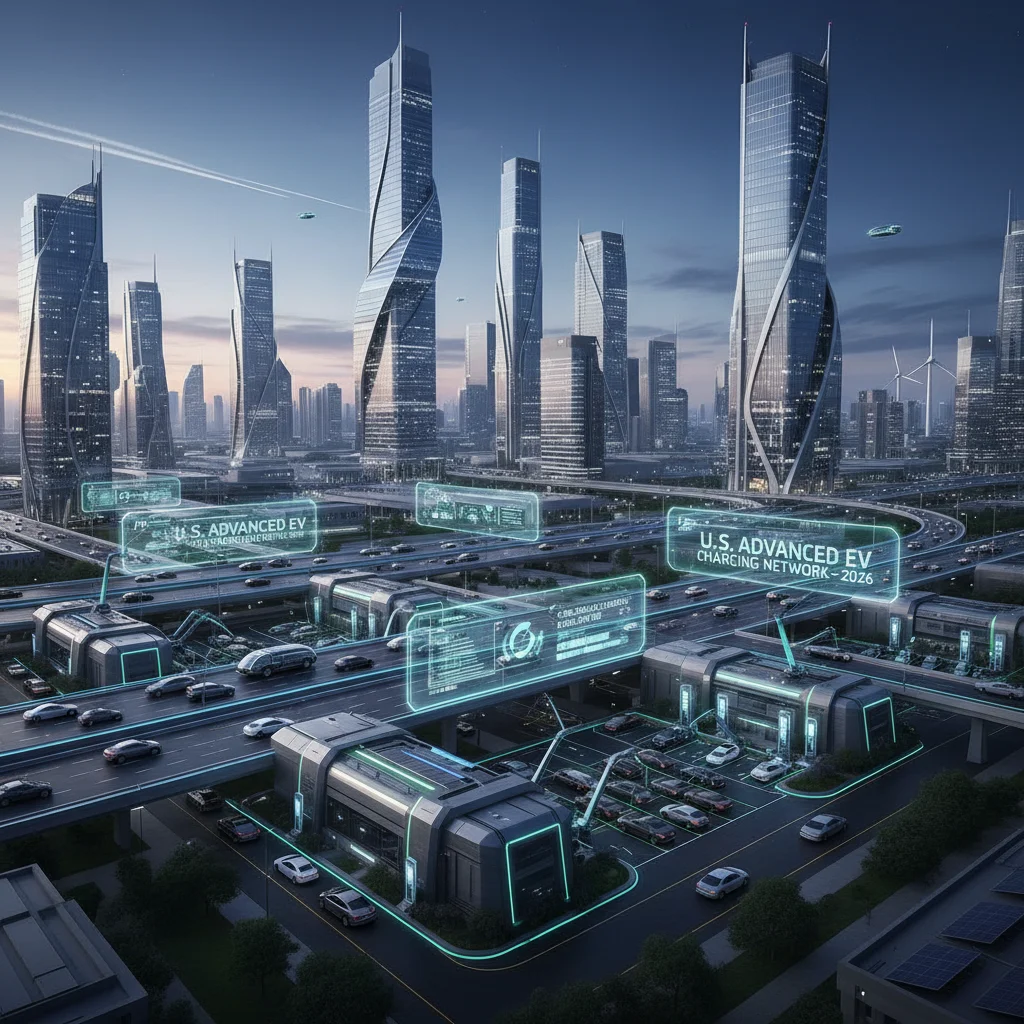
The NEVI program will have made substantial progress, leading to a much more comprehensive network of DC fast chargers along major interstate highways. This will dramatically improve the viability of long-distance EV travel across the country. Expect to see fewer “charging deserts” and greater predictability for route planning.

While the focus is on interstates, secondary roads and rural communities will also see increased charging options, driven by state-level initiatives and private investment responding to local demand. The goal is to ensure that a significant majority of Americans live within a reasonable distance of a public EV charger.
2. Dominance of NACS and Improved Interoperability
With most major automakers adopting NACS, the charging experience will become more streamlined. EV owners will find it easier to locate compatible chargers, and the Supercharger network will become a critical component of the broader U.S. charging ecosystem. This standardization will reduce confusion and enhance user satisfaction.
Furthermore, efforts to improve interoperability between different charging networks will continue. This means more seamless payment processes, better real-time charger availability information, and potentially fewer apps required to manage charging sessions across various providers.
3. Growth in Public and Private Charging Solutions
Beyond the federal highway network, expect a significant expansion of charging options in various public and private settings:
- Workplace Charging: More employers will offer EV charging as an amenity, supporting employee adoption and reducing reliance on public infrastructure for daily commuting.
- Multi-Unit Dwelling (MUD) Charging: Solutions for apartment complexes and condominiums will become more commonplace, addressing a critical need for residents without private garages.
- Retail and Hospitality: Shopping centers, restaurants, hotels, and tourist destinations will increasingly install chargers to attract EV-driving customers.
- Fleet Charging: Commercial and government fleets transitioning to EVs will require dedicated charging depots, driving significant infrastructure investment in this sector.
4. Advanced Grid Integration and Smart Charging
The integration of EV charging with the broader electrical grid will become more sophisticated. Smart charging solutions will optimize energy consumption, helping to balance demand and supply, especially during peak hours. This could involve dynamic pricing models that encourage off-peak charging or even V2G capabilities in certain regions, where EVs act as mobile energy storage units.
Utilities will play an increasingly active role in managing this integration, investing in grid upgrades and developing programs to support smart charging. This ensures that the growing demand from EVs doesn’t overwhelm existing electrical infrastructure.
5. Focus on User Experience and Reliability
As the charging network expands, the emphasis will shift towards improving the user experience. This includes:
- Reliability: Reducing out-of-order chargers and ensuring consistent uptime will be a top priority for network operators.
- Ease of Payment: Simplified payment methods, including tap-to-pay and plug-and-charge functionalities, will become standard.
- Real-time Information: Accurate and real-time data on charger availability, pricing, and charging speeds will be crucial for EV drivers.
- Customer Support: Responsive customer service will be vital for addressing any issues that arise during charging sessions.
Challenges and Considerations for EV Charging Infrastructure
Despite the optimistic outlook, several challenges will need continuous attention to ensure the smooth evolution of the EV charging infrastructure:
Grid Capacity and Upgrades
While smart charging helps, the sheer volume of new EVs will eventually necessitate significant upgrades to the electrical grid, particularly in local distribution networks. Planning and executing these upgrades require substantial investment and coordination between utilities, municipalities, and developers.
Speed of Deployment
Building out a national charging network of this scale is a massive undertaking. Permitting, utility interconnection, and construction can be time-consuming. Accelerating these processes while maintaining quality and safety standards will be critical.
Equity and Accessibility
Ensuring equitable access to charging infrastructure for all communities, including low-income areas and rural regions, is paramount. Policies and funding must specifically address these disparities to prevent a two-tiered EV adoption landscape.
Cybersecurity
As charging networks become more connected and intelligent, cybersecurity threats will grow. Protecting charging stations and user data from malicious attacks will require robust security protocols and continuous vigilance.
Maintenance and Uptime
A charger that doesn’t work is worse than no charger at all. Ensuring high uptime and prompt maintenance for public charging stations will be crucial for building consumer confidence and trust in the infrastructure.
How to Prepare for the Evolving EV Charging Infrastructure
Whether you’re an individual EV owner, a prospective buyer, a business, or a municipality, preparing for the future of EV charging infrastructure is key.
For Current and Prospective EV Owners:
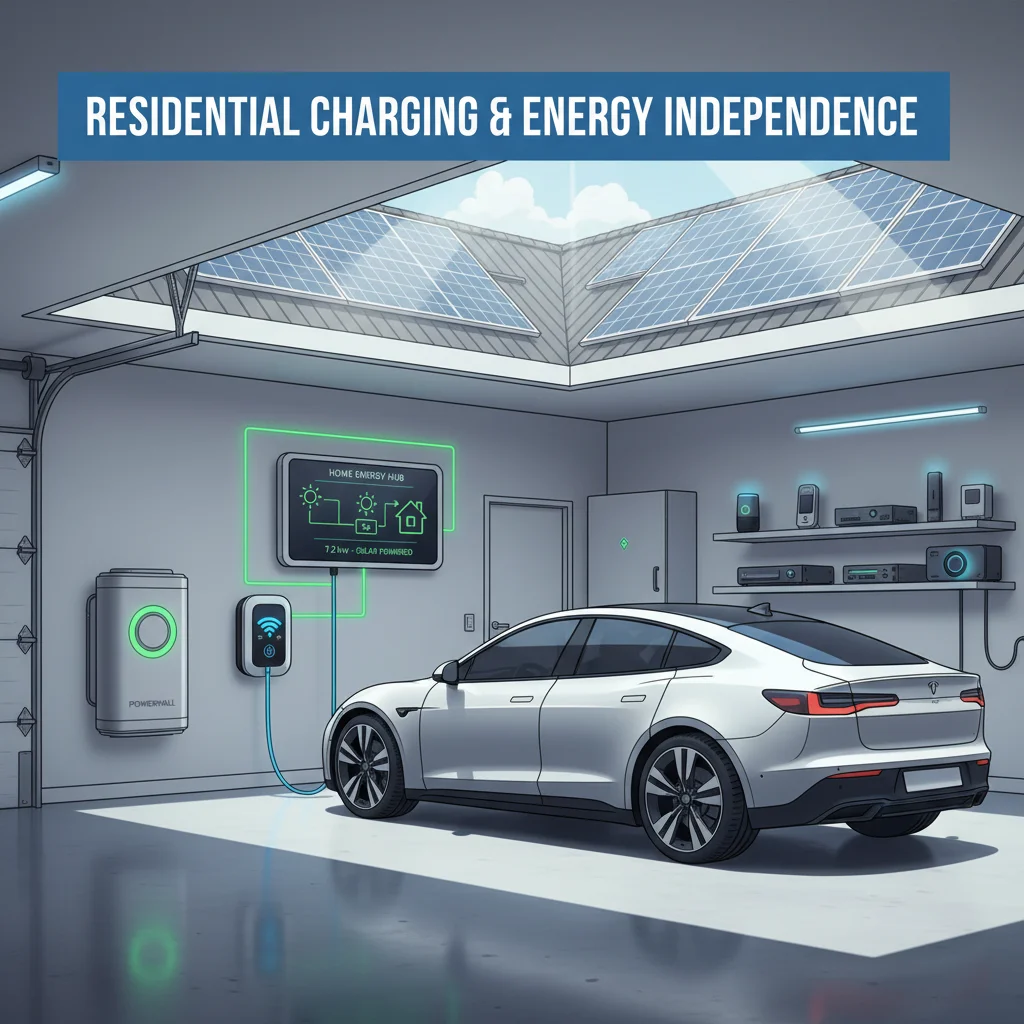
- Install Home Charging: For most EV owners, home charging (Level 2) is the most convenient and cost-effective solution. Invest in a reliable home charger and ensure your electrical panel can support it.
- Understand Charging Networks: Familiarize yourself with the major charging networks in your area and their respective apps. With NACS adoption, this will become simpler, but knowing your options is always beneficial.
- Plan Long Trips: Utilize EV route planning apps that integrate charging station availability and charging speeds to minimize range anxiety on longer journeys.
- Consider Smart Charging: If available, explore smart charging options to optimize your charging times and potentially save on electricity costs.
For Businesses and Property Owners:
- Assess Demand: Evaluate the potential demand for EV charging at your location, considering employee, customer, or resident needs.
- Install Workplace/Public Chargers: Providing charging stations can attract and retain employees, customers, and tenants. Explore government incentives and grants to offset installation costs.
- Partner with Charging Providers: Collaborate with established EV charging network operators to manage installation, maintenance, and payment systems.
- Future-Proof Your Infrastructure: When installing new electrical infrastructure, consider future EV charging needs to avoid costly upgrades down the line.
For example, if you own a retail establishment, installing a few Level 2 chargers can be a significant draw for EV drivers who need to charge while shopping. For apartment complex owners, offering charging as an amenity can make your property more attractive in a competitive rental market.
For Municipalities and Utilities:
- Strategic Planning: Develop comprehensive EV infrastructure plans that align with federal and state goals, identifying key corridors and community needs.
- Streamline Permitting: Simplify and expedite the permitting process for EV charger installations to accelerate deployment.
- Grid Modernization: Invest in grid upgrades and smart grid technologies to accommodate increased EV charging demand.
- Public-Private Partnerships: Foster collaboration with private sector charging providers to leverage expertise and investment.
The Future is Electric: A Seamless Charging Experience
By mid-2026, the vision of a seamless and ubiquitous EV charging infrastructure in the U.S. will be significantly closer to reality. The combination of robust government investment, industry standardization, technological innovation, and growing consumer demand is creating a powerful synergy. While challenges remain, the commitment to overcoming them is evident across all sectors.
The ability to charge an EV as easily as fueling a gasoline car will be a hallmark of this new era. Range anxiety will diminish, and the convenience of electric mobility will become a defining feature of transportation. Preparing now, understanding the trajectory of this evolution, and actively participating in its development will ensure that individuals and organizations are well-positioned to thrive in the electric future.
The journey to a fully electrified transportation system is long, but the milestones we expect to reach by mid-2026 will lay a critical foundation. The U.S. is on track to build a charging network that not only supports the current wave of EV adoption but also prepares for the exponential growth anticipated in the decades to come. Get ready to plug in and drive into a greener, more connected future.