Achieve 25% Water Reduction: Smart Home Technologies for U.S. Residences
Anúncios
Achieving a 25% Reduction: Advanced Residential Water Conservation Technologies for U.S. Homes by Early 2026
In an era where environmental consciousness and resource management are paramount, the concept of residential water conservation has transcended from a mere suggestion to an urgent imperative. The United States, with its diverse climates and varying water availability, faces unique challenges in managing this precious resource. As homeowners, we hold a significant key to alleviating water stress, and the good news is that achieving a substantial 25% reduction in household water usage by early 2026 is not only ambitious but entirely attainable through the adoption of smart technologies and conscious practices.
Anúncios
This comprehensive guide delves into the cutting-edge water conservation technologies available for U.S. residences, offering actionable insights and highlighting the benefits of embracing a water-efficient lifestyle. We will explore everything from smart irrigation systems to leak detection devices, low-flow fixtures, and even innovative greywater recycling solutions. Our goal is to empower you with the knowledge and tools to make a tangible difference, not just for your utility bills but for the planet.
Anúncios
The Urgency of Residential Water Conservation in the U.S.
Before we dive into the technological solutions, it’s crucial to understand why residential water conservation is so critical. The U.S. faces increasing drought conditions in many regions, depleting aquifers, and aging infrastructure that leads to significant water loss. According to the EPA, the average American household uses over 300 gallons of water per day, with outdoor irrigation accounting for a substantial portion in many areas. This level of consumption is unsustainable in the long term, making individual efforts essential for collective impact.
Beyond environmental concerns, there’s a compelling economic argument. Water bills are on the rise, and reducing usage directly translates to significant savings. Furthermore, a water-efficient home can increase its market value, appealing to a growing segment of environmentally conscious buyers. The target of a 25% reduction is ambitious yet achievable, representing a meaningful step towards a more sustainable future for every U.S. residence.
Smart Irrigation Systems: Revolutionizing Outdoor Water Use
Outdoor watering can account for up to 50% of a household’s total water consumption, especially in drier climates. Traditional irrigation systems often operate on fixed schedules, leading to overwatering or watering at inefficient times. This is where smart irrigation systems become invaluable tools for residential water conservation.
How Smart Irrigation Works
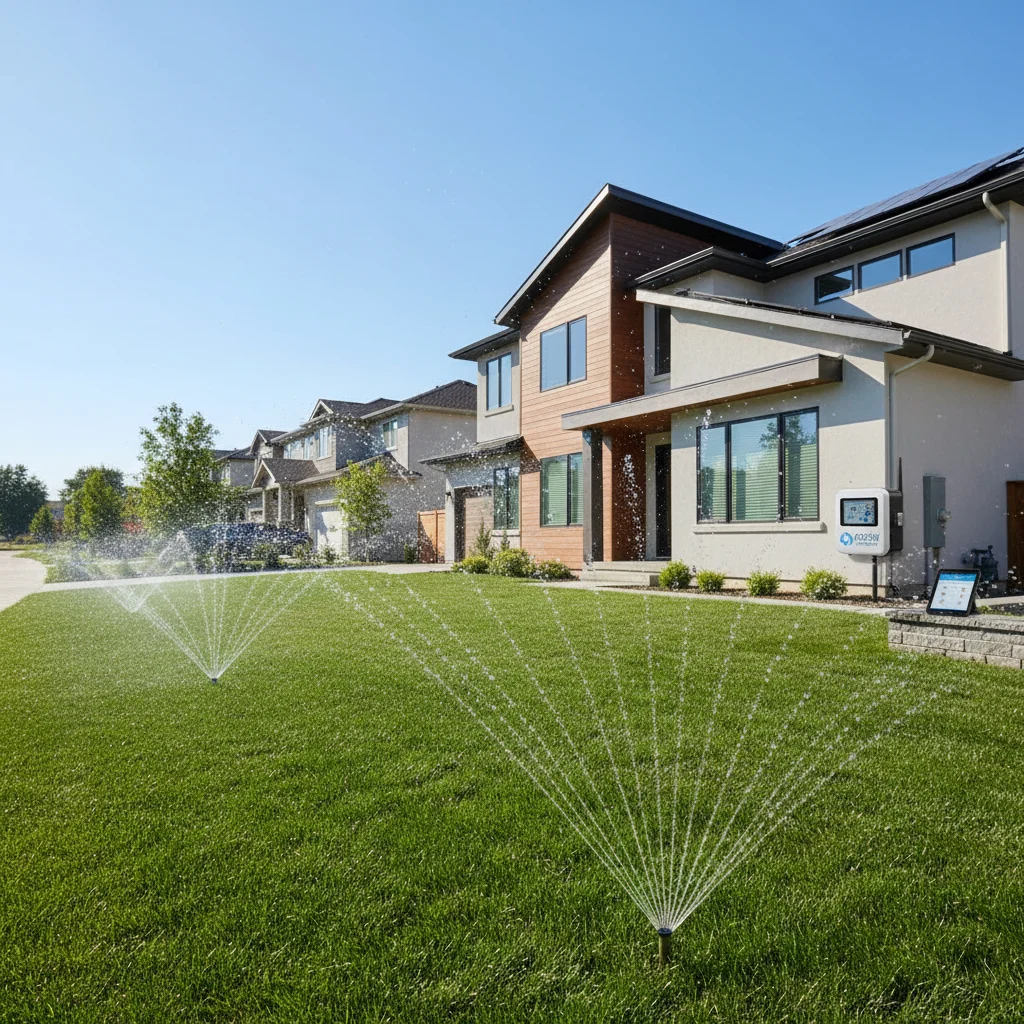
These advanced systems utilize local weather data, soil moisture sensors, and plant-specific needs to optimize watering schedules. Instead of watering blindly, they adjust based on real-time conditions. For example, if rain is predicted, the system will automatically delay watering. If the soil is already moist, it won’t activate. This precision ensures that water is only used when and where it’s truly needed, minimizing waste.
Key Technologies and Benefits
- Weather-Based Controllers: These connect to local weather stations or use Wi-Fi to access real-time weather forecasts. They automatically adjust watering schedules based on temperature, humidity, rainfall, and evaporation rates.
- Soil Moisture Sensors: Installed directly in the soil, these sensors measure the moisture content and communicate with the controller, preventing watering if the soil is already adequately hydrated.
- Evapotranspiration (ET) Controllers: These sophisticated systems calculate the amount of water lost from the soil and plants through evaporation and transpiration, ensuring precise replenishment.
- Smart Sprinkler Heads and Drip Irrigation: Pairing smart controllers with efficient sprinkler heads (e.g., rotary nozzles that deliver water more slowly and uniformly) or drip irrigation systems (which deliver water directly to the plant roots, minimizing evaporation) further enhances water savings.
By implementing a smart irrigation system, homeowners can expect to see a significant reduction in outdoor water usage, often contributing a large portion of the targeted 25% overall reduction. This technology is a cornerstone of effective residential water conservation.
Leak Detection and Smart Water Shut-Off Systems: Preventing Costly Waste
Silent leaks can waste thousands of gallons of water annually, often going unnoticed until a hefty water bill arrives or significant damage occurs. From dripping faucets to hidden pipe bursts, leaks are a major culprit in unnecessary water consumption. Smart leak detection and automatic shut-off systems offer a proactive solution to this widespread problem, significantly boosting residential water conservation efforts.
Types of Smart Leak Detection Systems
- Whole-Home Water Monitors: These devices attach to your main water line and use ultrasonic technology or flow sensors to monitor water usage in real-time. They can detect unusual patterns that indicate a leak, from a running toilet to a burst pipe, and send alerts to your smartphone.
- Spot Leak Detectors: These small, battery-powered sensors are placed in high-risk areas like under sinks, near water heaters, or behind toilets. They sound an alarm and send a notification to your phone when they detect moisture.
- Smart Water Shut-Off Valves: Often integrated with whole-home monitors, these devices can automatically shut off the main water supply to your home when a significant leak is detected, preventing extensive water damage and waste.
Benefits of Implementing Leak Detection
- Immediate Leak Alerts: Get notified instantly about potential leaks, allowing for quick intervention.
- Prevent Water Damage: Automatic shut-off can save thousands in repair costs from burst pipes or unnoticed leaks.
- Reduced Water Bills: Eliminate the hidden costs of continuous water waste from leaks.
- Peace of Mind: Know that your home is protected even when you’re away.
Integrating these smart systems is a critical step towards achieving that 25% reduction target, as they tackle one of the most insidious forms of water waste in any residence.
High-Efficiency Fixtures and Appliances: Modernizing Your Home for Water Savings
Beyond the smart technologies, upgrading to high-efficiency fixtures and appliances is a fundamental aspect of residential water conservation.
Bathroom Upgrades
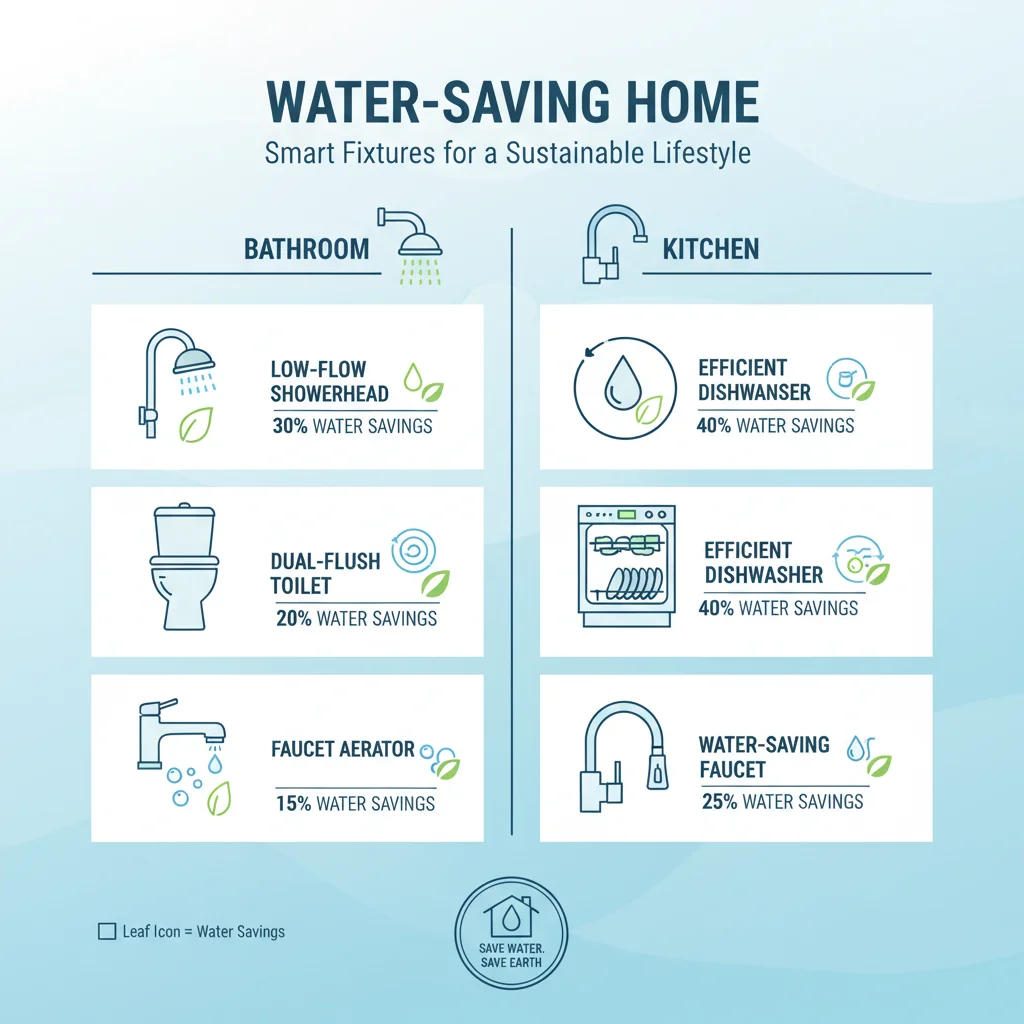
- Low-Flow Showerheads: Modern low-flow showerheads deliver a satisfying shower experience while using significantly less water, often around 1.5 to 2.0 gallons per minute (GPM) compared to older models that can use 2.5 GPM or more.
- Dual-Flush Toilets: These toilets offer two flushing options: a lower volume flush for liquid waste and a full-volume flush for solid waste. They can save thousands of gallons per year compared to conventional toilets. Look for WaterSense-labeled models.
- WaterSense Faucets and Aerators: Bathroom faucets with the WaterSense label use a maximum of 1.5 GPM, reducing water flow without sacrificing pressure. Aerators can be easily added to existing faucets to achieve similar savings.
Kitchen and Laundry Room Enhancements
- Energy-Efficient Dishwashers: Modern dishwashers, especially those with an Energy Star label, are incredibly water-efficient, often using less water per load than handwashing.
- High-Efficiency Washing Machines: Front-loading washing machines and top-loaders without a central agitator use significantly less water than traditional top-loaders. Energy Star certified models are a must for serious residential water conservation.
- Instant Hot Water Recirculating Systems: These systems deliver hot water almost instantly to faucets, eliminating the wasted water that runs down the drain while waiting for the water to heat up.
Replacing just a few of these older, inefficient appliances and fixtures can make a substantial contribution to your 25% reduction goal. The upfront investment often pays for itself through reduced utility bills over time.
Greywater Recycling Systems: Advanced Residential Water Conservation
For those looking to take residential water conservation to the next level, greywater recycling systems offer an innovative solution. Greywater is defined as wastewater generated from non-toilet plumbing fixtures such as showers, bathtubs, bathroom sinks, and washing machines. It excludes water from toilets (blackwater) and kitchen sinks (which can contain food particles and grease).
How Greywater Systems Work
A greywater recycling system collects this relatively clean wastewater, filters it, and then repurposes it for non-potable uses. The most common application is outdoor irrigation, but it can also be used for flushing toilets. This significantly reduces the demand for fresh potable water for these purposes.
Considerations and Benefits
- System Complexity: Greywater systems can range from simple diverters for laundry water to more complex filtered systems for whole-house reuse. Installation often requires professional expertise and adherence to local building codes.
- Water Savings: Depending on the system’s scope, greywater recycling can reduce a household’s total water consumption by an additional 20-30%, going well beyond the initial 25% target.
- Environmental Impact: Reduces strain on municipal water supplies and wastewater treatment plants.
- Cost Savings: Lower water bills due to reduced reliance on potable water for non-potable uses.
While a larger investment, greywater systems represent the pinnacle of residential water conservation, offering long-term sustainability benefits.
Rainwater Harvesting: Tapping into Nature’s Supply
Rainwater harvesting is another powerful strategy for residential water conservation, especially in regions with consistent rainfall. It involves collecting and storing rainwater from rooftops for various non-potable uses around the home and garden.
Basic Components of a Rainwater Harvesting System
- Catchment Surface: Typically the roof of your house.
- Conveyance System: Gutters and downspouts that direct water to the storage.
- First-Flush Diverter: An important component that diverts the initial flow of rainwater, which often contains debris from the roof, preventing it from entering the main storage tank.
- Filtration: Screens and filters to remove leaves, sediment, and other particles.
- Storage Tank (Cistern): Tanks can range from small barrels to large underground cisterns, depending on storage needs and available space.
- Distribution System: A pump and piping to distribute the collected water for its intended uses.
Harvested rainwater is ideal for:
- Outdoor irrigation (gardens, lawns).
- Washing cars and outdoor surfaces.
- Flushing toilets (with appropriate filtration and plumbing).
The advantages include reducing reliance on municipal water, lowering water bills, and providing a chemical-free water source for plants. Rainwater harvesting, combined with other technologies, significantly strengthens your home’s residential water conservation profile.
Smart Water Management Platforms: The Hub of Your Water-Efficient Home
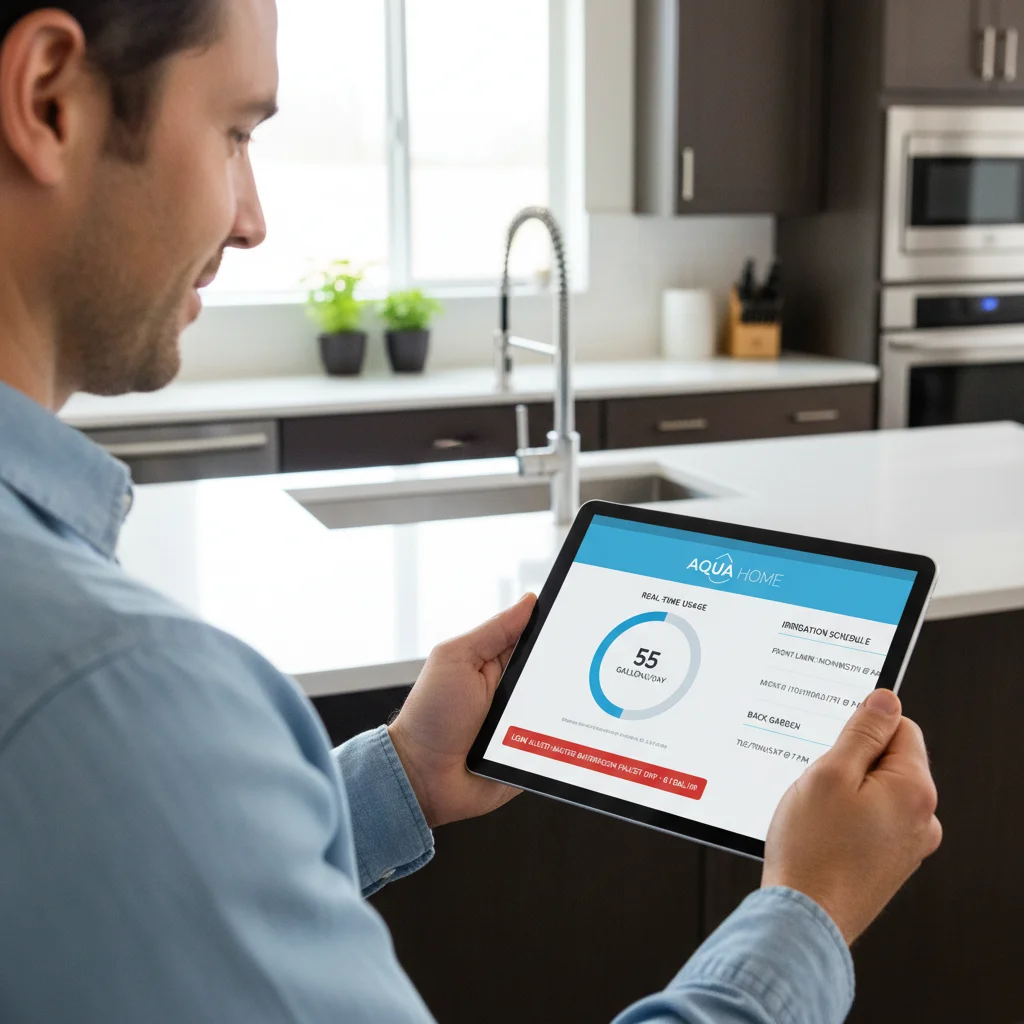
The true power of modern residential water conservation comes from integrating various smart technologies into a cohesive management system. Smart home platforms and dedicated water management apps allow homeowners to monitor, control, and optimize their water usage from a single interface.
Features of Smart Water Management Platforms
- Real-time Usage Monitoring: Track water consumption patterns across different appliances and activities. Identify peak usage times and areas where savings can be made.
- Customizable Alerts: Receive notifications for unusual water flow, potential leaks, or when irrigation schedules are adjusted.
- Remote Control: Manage your smart irrigation system, shut off water in case of an emergency, or monitor appliance usage from anywhere via your smartphone or tablet.
- Data Analytics and Reporting: Gain insights into your water usage trends over time, helping you understand the impact of your conservation efforts and identify further opportunities for savings.
- Integration with Other Smart Home Devices: Many platforms can integrate with other smart home systems, creating a more holistic approach to home management.
These platforms turn abstract water usage into tangible data, empowering homeowners to make informed decisions and actively participate in achieving their 25% reduction target. They are essential for sustained residential water conservation.
Practical Tips and Behavioral Changes for Lasting Impact
While technology plays a crucial role, residential water conservation also relies heavily on conscious habits and behavioral changes. Technology can guide and assist, but personal responsibility solidifies the gains.
Simple Yet Effective Strategies:
- Shorten Showers: Aim for 5-minute showers. Every minute saved makes a difference.
- Turn Off the Tap: Don’t let water run while brushing teeth, shaving, or washing dishes by hand.
- Full Loads Only: Only run your dishwasher and washing machine when they are full.
- Defrost in the Fridge: Thaw frozen food in the refrigerator overnight instead of using running water.
- Compost Food Scraps: Avoid using the garbage disposal, which requires a lot of water.
- Water Plants Wisely: Water during cooler parts of the day (early morning or late evening) to minimize evaporation. Use mulch to retain soil moisture.
- Check for Leaks Regularly: Even with smart detectors, a quick visual check of faucets and toilets can catch minor issues before they escalate.
Combining these simple habits with advanced technologies creates a powerful synergy, ensuring that your efforts towards residential water conservation are both effective and sustainable.
Government Incentives and Programs for Water Conservation
Many U.S. states and local municipalities offer incentives, rebates, and programs to encourage residential water conservation. These can significantly offset the upfront costs of installing water-efficient technologies.
Examples of Incentives:
- WaterSense Rebates: Many utilities offer rebates for installing WaterSense-labeled toilets, showerheads, and irrigation controllers.
- Rain Barrel Programs: Some communities provide free or discounted rain barrels.
- Xeriscaping/Drought-Tolerant Landscaping Rebates: Incentives for replacing water-intensive lawns with drought-resistant plants.
- Tax Credits: In some cases, certain energy-efficient or water-saving home improvements may qualify for state or federal tax credits.
It’s highly recommended to check with your local water utility and state energy/environmental agencies to learn about available programs in your area. These incentives can make achieving your 25% water reduction goal even more economically viable.
The Future of Residential Water Conservation
As we look towards early 2026 and beyond, the landscape of residential water conservation will continue to evolve. Innovations in artificial intelligence and machine learning will lead to even smarter water management systems that can predict usage patterns and optimize efficiency with greater precision. Development of new materials will result in even more durable and efficient plumbing fixtures. Decentralized water treatment, allowing for more localized greywater and blackwater recycling, may become more common.
The journey to a 25% reduction in residential water usage by early 2026 is an exciting and achievable one. It requires a combination of smart technology adoption, conscious behavioral changes, and leveraging available resources. By embracing these strategies, U.S. homeowners can play a vital role in securing a sustainable water future for generations to come, while also enjoying the financial benefits of reduced utility bills and a more efficient home.
Start your residential water conservation journey today and become a part of the solution!