Dispute Credit Report Errors: Your 2026 Insider’s Guide to Effective Corrections
Anúncios
The 3 Critical Steps to Dispute Credit Report Errors Effectively in 2026: An Insider’s Guide
Your credit report is more than just a document; it’s a reflection of your financial reliability, a gatekeeper to loans, mortgages, and even job opportunities. Inaccurate information on your credit report can severely impact your financial future, leading to denied applications, higher interest rates, and unnecessary stress. With the financial landscape constantly evolving, understanding how to effectively dispute credit errors in 2026 is more crucial than ever. This comprehensive guide will walk you through the three critical steps to identify, challenge, and correct inaccuracies, empowering you to protect your credit health and secure your financial well-being.
Many individuals overlook the importance of regularly checking their credit reports, often only realizing there’s an issue when they’re denied credit. By then, the damage might already be done. Proactive monitoring and swift action are your best defenses against credit report inaccuracies. This article delves deep into the strategies and insider tips you need to navigate the dispute process with confidence and achieve favorable outcomes. We’ll cover everything from understanding what constitutes an error to gathering compelling evidence and following up effectively, ensuring you’re well-equipped for the challenges of 2026.
Anúncios
Understanding Credit Report Errors: What to Look For
Before you can effectively dispute credit errors, you need to know what constitutes an error. Credit reports are compiled by three major credit bureaus: Experian, Equifax, and TransUnion. Each bureau collects information from various creditors, and sometimes, mistakes happen during this data transfer or entry process. These errors can range from minor annoyances to significant detriments to your credit score. Recognizing these inaccuracies is the first vital step in safeguarding your financial reputation.
Anúncios
Common Types of Credit Report Errors
- Identity Theft: This is perhaps the most severe type of error, involving accounts opened in your name without your knowledge or consent. This can include fraudulent credit cards, loans, or even utility accounts.
- Incorrect Personal Information: Simple mistakes like a misspelled name, an old address, an incorrect phone number, or an outdated employer can sometimes lead to confusion and incorrect reporting. While seemingly minor, these can still cause issues.
- Incorrect Account Information: This category is broad and includes a variety of issues related to your actual credit accounts. Examples include:
- Accounts that don’t belong to you: Similar to identity theft, but sometimes it’s a simple mix-up with someone else who has a similar name.
- Incorrect reporting of account status: An account listed as open when it’s closed, or vice versa.
- Inaccurate payment history: Payments reported as late when they were on time, or payments missing entirely.
- Incorrect credit limits or loan amounts: Reporting a lower credit limit or a higher loan amount than what is actually the case can negatively impact your credit utilization ratio.
- Duplicate accounts: The same account appearing multiple times on your report.
- Accounts with incorrect dates: Such as the date an account was opened or closed, or the date of last activity.
- Data Management Errors: These can include accounts that have been discharged in bankruptcy still showing a balance, or accounts that have been paid off being reported as still open with a balance.
Why These Errors Matter
Even a seemingly small error can have a cascading effect on your financial life. A late payment reported incorrectly could drop your credit score by several points, leading to higher interest rates on future loans or even denial. Incorrect personal information, while less impactful on your score, can still hinder verification processes. Identity theft, of course, can be catastrophic, requiring extensive time and effort to resolve and potentially leaving you with significant financial liabilities. Therefore, it’s imperative to regularly check your credit reports from all three bureaus.
Accessing Your Credit Reports in 2026
The Fair Credit Reporting Act (FCRA) grants you the right to a free copy of your credit report from each of the three major credit bureaus once every 12 months. The official website for this is AnnualCreditReport.com. In 2026, this access remains a cornerstone of consumer financial protection. It’s recommended to pull one report every four months (e.g., Experian in January, Equifax in May, TransUnion in September) to monitor your credit throughout the year without paying. Alternatively, you can pull all three at once if you’re preparing for a major financial application like a mortgage or car loan and need a comprehensive view.
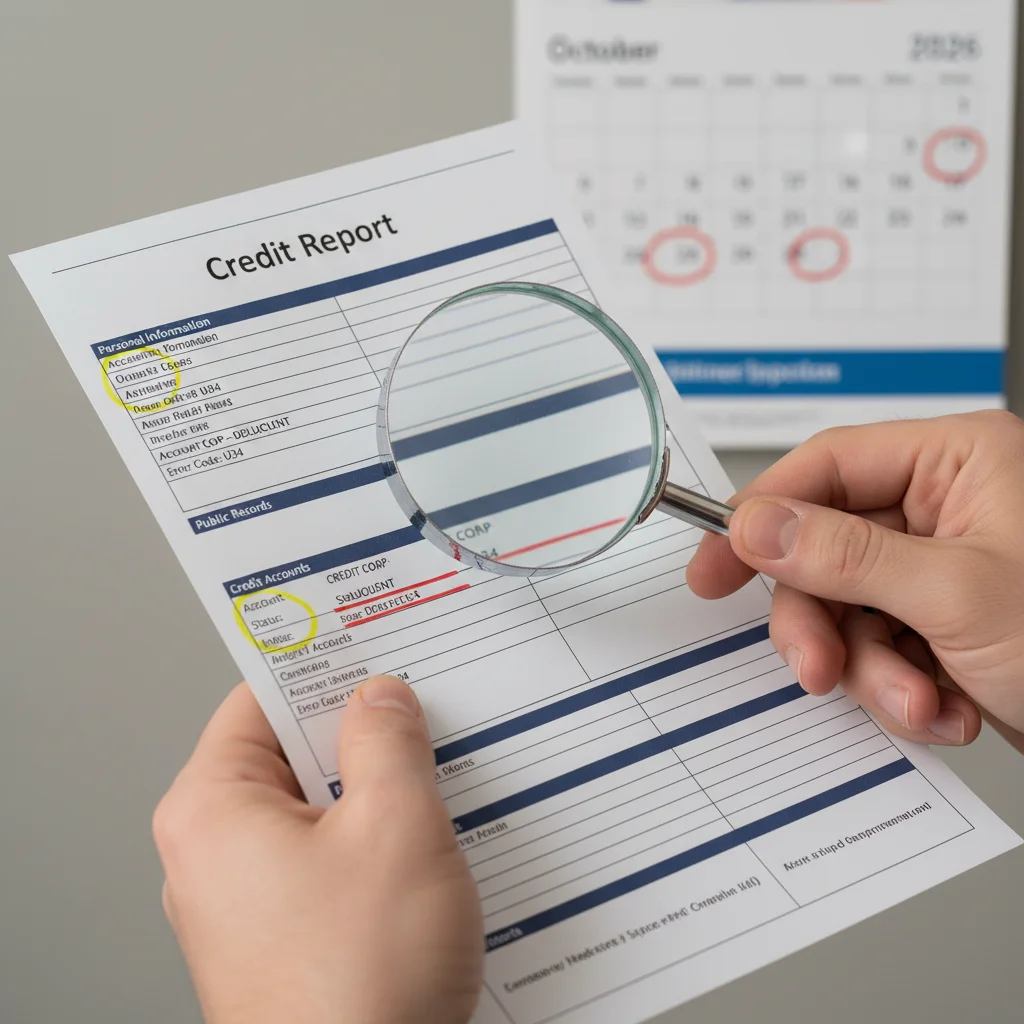
When reviewing your reports, pay meticulous attention to every detail. Cross-reference information across the three reports, as errors might appear on one but not another. Look for anything that seems unfamiliar, inaccurate, or inconsistent. This thorough examination is the foundation for your efforts to dispute credit errors effectively.
Step 1: Gather Your Evidence and Document Everything
Once you’ve identified potential errors, the next critical step is to gather all available evidence to support your claim. Think of this as building a case. The stronger your evidence, the more likely the credit bureaus and creditors are to investigate and ultimately correct the inaccuracies. This stage requires meticulous organization and attention to detail.
What Constitutes Strong Evidence?
- Copies of Your Credit Reports: Highlight or circle the specific errors you are disputing on each report.
- Account Statements: If the error relates to payment history or account balances, provide statements that clearly show correct payments, balances, or account status.
- Payment Confirmations: Bank statements, canceled checks, or online payment receipts that prove payments were made on time.
- Correspondence with Creditors: Any letters, emails, or notes from phone calls with the creditor regarding the account in question.
- Court Documents: If an account was discharged in bankruptcy, provide relevant court documents.
- Police Reports/FTC Identity Theft Report: If you’re disputing fraudulent accounts due to identity theft, these documents are crucial.
- Personal Records: Keep a detailed log of all communication, including dates, names of people you spoke with, and summaries of conversations.
Organizing Your Documentation
Create a dedicated file, either physical or digital, for each dispute. Label everything clearly. When sending documents, always send copies, never originals. Keep your originals in your file. It’s also wise to make an extra copy of everything you send for your records.
Understanding the "Burden of Proof"
Under the FCRA, once you initiate a dispute, the credit bureau has a legal obligation to investigate the information with the data furnisher (the creditor). The data furnisher then has the burden of proving that the information they reported is accurate. However, your initial evidence helps to prompt a thorough investigation. Without any supporting documentation from your end, the credit bureau might find it easier to dismiss your claim or conclude their investigation without making a change.
This initial evidence-gathering phase is often underestimated but is fundamental to a successful dispute. The more organized and thorough you are here, the smoother the subsequent steps will be. Remember, the goal is to present a clear, undeniable case for why the information on your credit report is incorrect.
Step 2: Initiate the Dispute Process with Both the Credit Bureaus and the Creditor
With your evidence meticulously gathered, it’s time to formally initiate the dispute. You have two primary avenues for this: disputing directly with the credit bureaus and disputing directly with the creditor (the "data furnisher"). For maximum effectiveness and to expedite the resolution, it is highly recommended to do both simultaneously.
Disputing with Credit Bureaus
Each of the three major credit bureaus (Experian, Equifax, TransUnion) has a formal dispute process. You can initiate a dispute online, by mail, or by phone. While online disputes are often the quickest, sending a dispute letter by certified mail provides a paper trail, which can be invaluable.
Online Dispute (Recommended for Speed):
Visit the dispute center on each bureau’s website:
- Experian: experian.com/disputes
- Equifax: equifax.com/disputes
- TransUnion: transunion.com/disputes
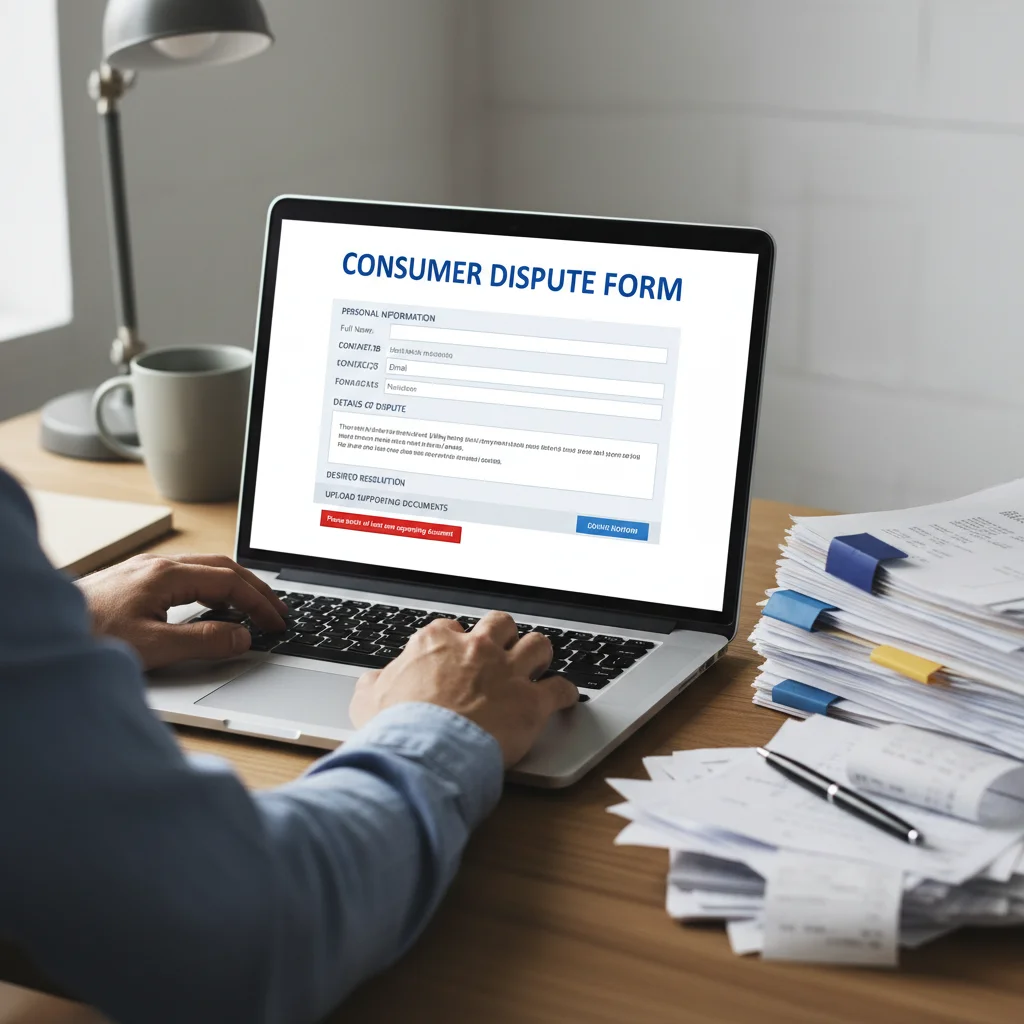
When disputing online, you’ll typically need to create an account, identify the specific item(s) you’re disputing, and explain why you believe they are inaccurate. You will also have the option to upload supporting documents. Be clear, concise, and provide all relevant information.
Dispute by Mail (Recommended for Documentation):
Sending a dispute letter via certified mail with a return receipt requested is often preferred for disputes that are complex or require extensive documentation. This method provides undeniable proof that your letter was sent and received. Your letter should include:
- Your full name, current address, and previous addresses if applicable.
- Your Social Security number and date of birth.
- A clear statement identifying the specific item(s) you are disputing (account number, creditor name, type of error, etc.).
- A brief but precise explanation of why you believe the information is inaccurate.
- Copies of all your supporting documents.
- A request for the bureau to investigate and remove or correct the inaccurate information.
You can find sample dispute letters on the websites of the Consumer Financial Protection Bureau (CFPB) or various credit counseling agencies. Send a separate letter to each bureau reporting the error.
Disputing with the Creditor (Data Furnisher)
While the credit bureaus are legally obligated to investigate, it’s also wise to contact the creditor directly. They are the source of the information, and sometimes a direct appeal can resolve the issue faster. The FCRA also requires data furnishers to investigate disputes that consumers send them directly. If they find the information inaccurate, they must notify all three credit bureaus to correct it.
How to Contact the Creditor:
- Gather Contact Information: Find the customer service or dispute department contact information for the specific creditor.
- Send a Dispute Letter: Similar to the letter sent to the credit bureaus, explain the error, provide supporting evidence, and request a correction. Send this via certified mail as well.
- Be Persistent: If you don’t hear back within a reasonable timeframe, follow up with phone calls, keeping a detailed log of each interaction.
By disputing with both parties, you create a dual pressure point, increasing the likelihood of a swift and accurate resolution. This two-pronged approach is a key strategy for successfully correcting errors and improving your credit health in 2026.
Step 3: Follow Up and Monitor Your Credit Reports
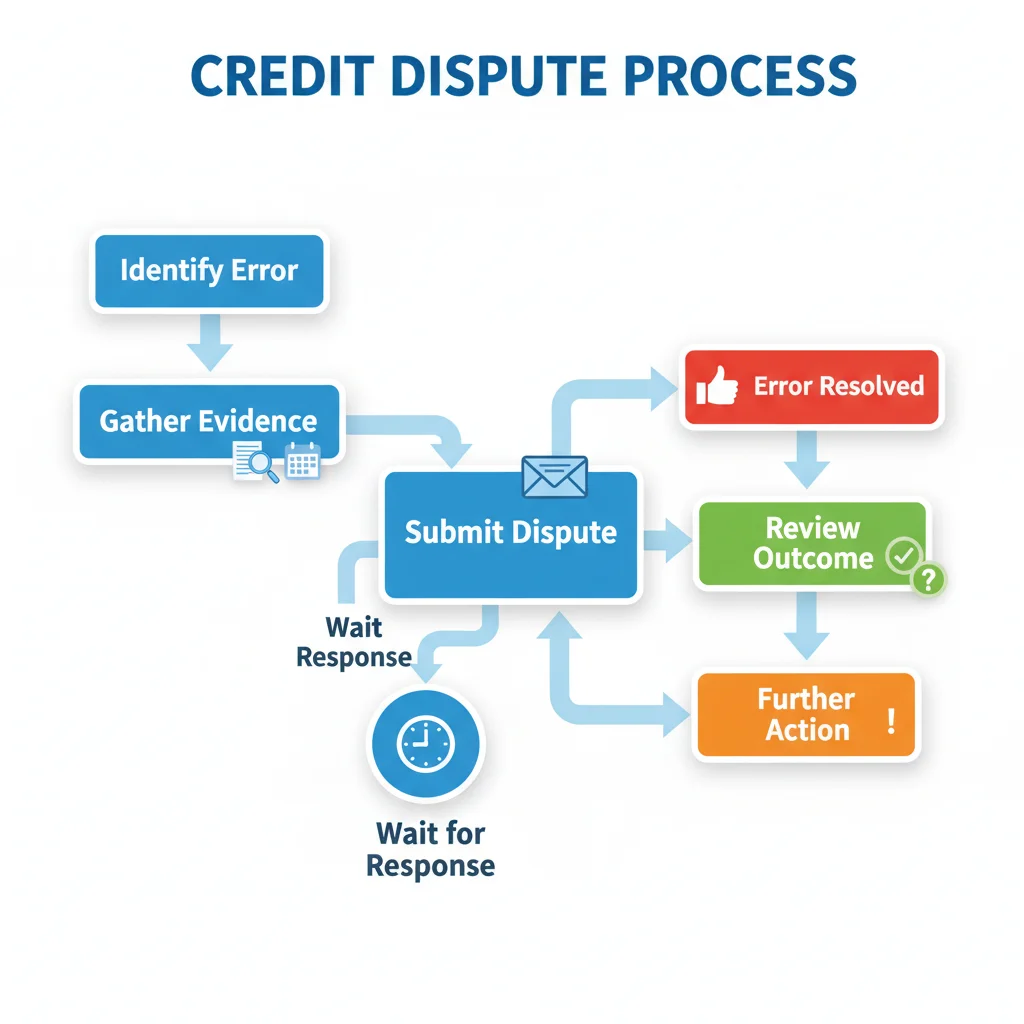
Initiating the dispute is only part of the process. The final, yet equally crucial, step is diligent follow-up and continuous monitoring of your credit reports. The FCRA mandates that credit bureaus investigate and respond to your dispute, typically within 30 days (or 45 days if you provided additional information during the 30-day period). However, sometimes delays occur, or the initial investigation might not yield the desired outcome. This is where your persistence pays off.
Tracking the Investigation
If you disputed online, you can usually track the status of your dispute through the bureau’s website. If you mailed your dispute, keep an eye on your mailbox for a response. The credit bureau will typically send you the results of their investigation, often including a free updated credit report if a change was made.
What Happens After the Investigation?
There are a few possible outcomes:
- Error Corrected/Removed: This is the best-case scenario. If the bureau or creditor finds the information to be inaccurate or unverifiable, they must remove or correct it. You should receive an updated report reflecting this change.
- Error Verified (No Change): If the bureau determines the information is accurate, they will inform you of their findings and state that no change will be made.
- Investigation Ongoing/Delayed: Sometimes, the investigation might take longer than expected, or you might not receive a response within the stipulated timeframe.
What to Do if the Dispute is Denied or Delayed
If the credit bureau verifies the information you believe is inaccurate, don’t give up. You have several avenues to pursue:
- Re-dispute with New Evidence: If you have additional evidence or a different angle to present, you can initiate a new dispute.
- Add a Statement of Dispute to Your Report: The FCRA allows you to add a brief statement (100 words or less) to your credit report explaining your side of the dispute. While this won’t remove the negative item, it informs potential creditors of your position.
- Contact the Creditor Again: If you haven’t had success with the bureaus, a direct, firm approach with the creditor, perhaps escalating to a supervisor or their legal department, might yield results.
- File a Complaint with the CFPB: The Consumer Financial Protection Bureau (CFPB) is a federal agency that can mediate disputes between consumers and financial companies. Filing a complaint with the CFPB can sometimes prompt the credit bureau or creditor to re-examine your case.
- Seek Legal Counsel: If you believe your rights under the FCRA have been violated, or if the errors are significant and persistent, consulting with a consumer law attorney specializing in credit reporting can be a powerful next step. They can help you understand your legal options and potentially pursue litigation.
Ongoing Credit Monitoring
Even after successfully correcting an error, ongoing vigilance is key. Credit reporting is dynamic, and new errors can appear. Regularly checking your credit reports (at least annually from each bureau, or more frequently if you use a credit monitoring service) ensures that you catch any new inaccuracies quickly. Many credit card companies and financial institutions now offer free credit monitoring services that alert you to significant changes on your report.
Insider Tips for Maximizing Your Dispute Success in 2026
While following the three critical steps is fundamental, these insider tips can significantly boost your chances of successfully resolving credit report errors in 2026:
Be Specific and Factual
Avoid emotional language or lengthy narratives. Stick to the facts: what the error is, why it’s an error, and what evidence supports your claim. Refer to specific account numbers, dates, and sections of the credit report.
Keep a Meticulous Record
Maintain a detailed log of every interaction: dates, times, names of representatives, what was discussed, and any reference numbers. This log is your best friend if you need to escalate the dispute or provide further evidence.
Understand Your Rights Under the FCRA
The Fair Credit Reporting Act (FCRA) is your primary legal protection. Familiarize yourself with its key provisions, especially those related to disputing inaccurate information. Knowing your rights empowers you to advocate effectively for yourself.
Don’t Pay for Credit Repair Services Unnecessarily
While some legitimate credit repair companies exist, many charge exorbitant fees for services you can perform yourself for free. Be wary of any company that guarantees to remove accurate negative information or asks for payment upfront before services are rendered. Most importantly, no legitimate company can remove accurate information from your credit report.
Consider Identity Theft Protection Services
If you’ve been a victim of identity theft, or are concerned about it, these services can offer peace of mind through continuous monitoring, alerts, and often, restoration assistance. This can be a proactive measure to prevent future errors related to fraud.
Leverage Technology for Monitoring
In 2026, many apps and online platforms offer free credit score and report monitoring (e.g., Credit Karma, Credit Sesame). While these often use VantageScore (a different scoring model than FICO, which is more widely used by lenders), they provide access to your credit reports and can alert you to changes, helping you identify potential errors early. Remember to still pull your official reports from AnnualCreditReport.com.
Patience and Persistence Are Virtues
Credit disputes can sometimes be a lengthy process, especially if the initial investigation doesn’t go your way. It might require multiple rounds of communication. Remain patient but persistent. Don’t let frustration deter you from seeing the process through.
The Long-Term Impact of Correcting Credit Errors
Successfully disputing and correcting credit report errors can have a profound positive impact on your financial life. A cleaner credit report can lead to:
- Higher Credit Scores: Removing negative items can significantly boost your FICO and VantageScore scores.
- Lower Interest Rates: A better credit score qualifies you for more favorable interest rates on loans, credit cards, and mortgages, saving you thousands over time.
- Easier Loan Approvals: Lenders view you as a less risky borrower, making it easier to get approved for credit when you need it.
- Better Insurance Premiums: In many states, credit scores are used to determine insurance premiums (auto, home), so a better score can lead to lower costs.
- Improved Rental Opportunities: Landlords often check credit reports, and a clean report can make securing housing easier.
- Potential for Employment: Some employers review credit reports, especially for positions involving financial responsibility, making a strong report an asset.
The effort you put into understanding and executing the steps to dispute credit errors is an investment in your financial future. It’s about taking control of your financial narrative and ensuring that it accurately reflects your payment history and responsible credit behavior.
Conclusion
Navigating the complexities of credit report errors can seem daunting, but armed with the right knowledge and a systematic approach, you can effectively challenge and correct inaccuracies. The three critical steps – gathering evidence, initiating disputes with both bureaus and creditors, and diligently following up – form the bedrock of a successful resolution process in 2026. Remember, your credit report is a living document that requires your active participation to maintain its accuracy and integrity.
By regularly reviewing your credit reports, understanding what constitutes an error, and knowing your rights under the FCRA, you empower yourself to protect your financial standing. Don’t let mistakes on your credit report hold you back. Take proactive steps today to dispute credit errors, secure your financial health, and pave the way for a brighter financial future. Your diligence in this area will pay dividends for years to come, opening doors to better financial opportunities and greater peace of mind.