
Subscription Traps: A United States Consumer’s 2026 Guide to Canceling Unwanted Services and Saving 10-20% on Monthly Bills
In the digital age, subscriptions have become an inescapable part of our lives. From streaming services and fitness apps to software licenses and meal kits, the convenience they offer is undeniable. However, this convenience often comes with a hidden cost: the dreaded “subscription trap.” Many of us find ourselves paying for services we rarely use, have forgotten about, or signed up for during a free trial and never canceled. In 2026, with the average US household spending hundreds of dollars monthly on subscriptions, learning how to effectively cancel unwanted subscriptions is no longer a luxury – it’s a financial necessity.
This comprehensive guide is designed specifically for United States consumers in 2026. We’ll delve into identifying these sneaky charges, understanding your consumer rights, and providing actionable strategies to cut down on your monthly expenditures by 10-20%. Prepare to reclaim your hard-earned money and achieve true financial wellness.
Anúncios
The Ubiquitous Subscription Economy: A Double-Edged Sword
The subscription economy has exploded, offering unparalleled access to content, services, and products. While this model provides flexibility and often a lower upfront cost, it also creates a fertile ground for “set it and forget it” spending. Companies strategically design their services to be sticky, making it easy to sign up and sometimes challenging to leave. This isn’t always malicious; often, it’s simply a byproduct of the sheer volume of services available and our busy lives.
Anúncios
Understanding the landscape of the subscription economy is the first step to effectively cancel unwanted subscriptions. We’re not just talking about Netflix and Spotify anymore. Think about:
- Streaming Services: Video (Netflix, Hulu, Disney+, Max, Apple TV+), Music (Spotify, Apple Music, Pandora Premium), Podcasts.
- Software & Apps: Adobe Creative Cloud, Microsoft 365, productivity tools, premium versions of mobile apps, VPNs.
- Fitness & Wellness: Gym memberships, yoga apps, meditation subscriptions, personalized training programs.
- Delivery Services: Meal kits (HelloFresh, Blue Apron), grocery delivery (Instacart+, Amazon Fresh), coffee subscriptions.
- Gaming: Xbox Game Pass, PlayStation Plus, Nintendo Switch Online, various in-game subscriptions.
- News & Content: Digital newspaper subscriptions, magazine apps, premium content platforms.
- Retail & E-commerce: Amazon Prime, Walmart+, various brand loyalty programs with recurring fees.
- Personal Finance & Security: Credit monitoring, identity theft protection, budgeting apps.
The sheer breadth of these services makes it easy for charges to slip under the radar. Many consumers are unknowingly paying for at least one service they no longer use or need. Our goal is to help you identify these hidden drains on your finances and empower you to cancel unwanted subscriptions with confidence.
Identifying Your Subscription Footprint: The First Step to Saving
Before you can cancel unwanted subscriptions, you need to know what you’re actually subscribed to. This might sound obvious, but for many, it’s a surprising revelation. Here’s a systematic approach:
1. Review Your Bank Statements and Credit Card Bills
This is the most crucial step. Go through your bank and credit card statements for the past 12 months. Look for recurring charges, especially those that are smaller amounts or have vague descriptions. Many services use billing names that aren’t immediately obvious. Create a spreadsheet or a simple list to track:
- Service Name (as best you can identify it)
- Monthly/Annual Cost
- Billing Date
- Usage Frequency (How often do you use it?)
- Decision (Keep, Cancel, Investigate)
2. Check Your Email Inbox
Search your email for keywords like “subscription confirmed,” “renewal,” “welcome to,” “your bill,” or the names of popular services. Many companies send confirmation emails upon sign-up and reminders before renewal. This can uncover subscriptions you might have forgotten about entirely.
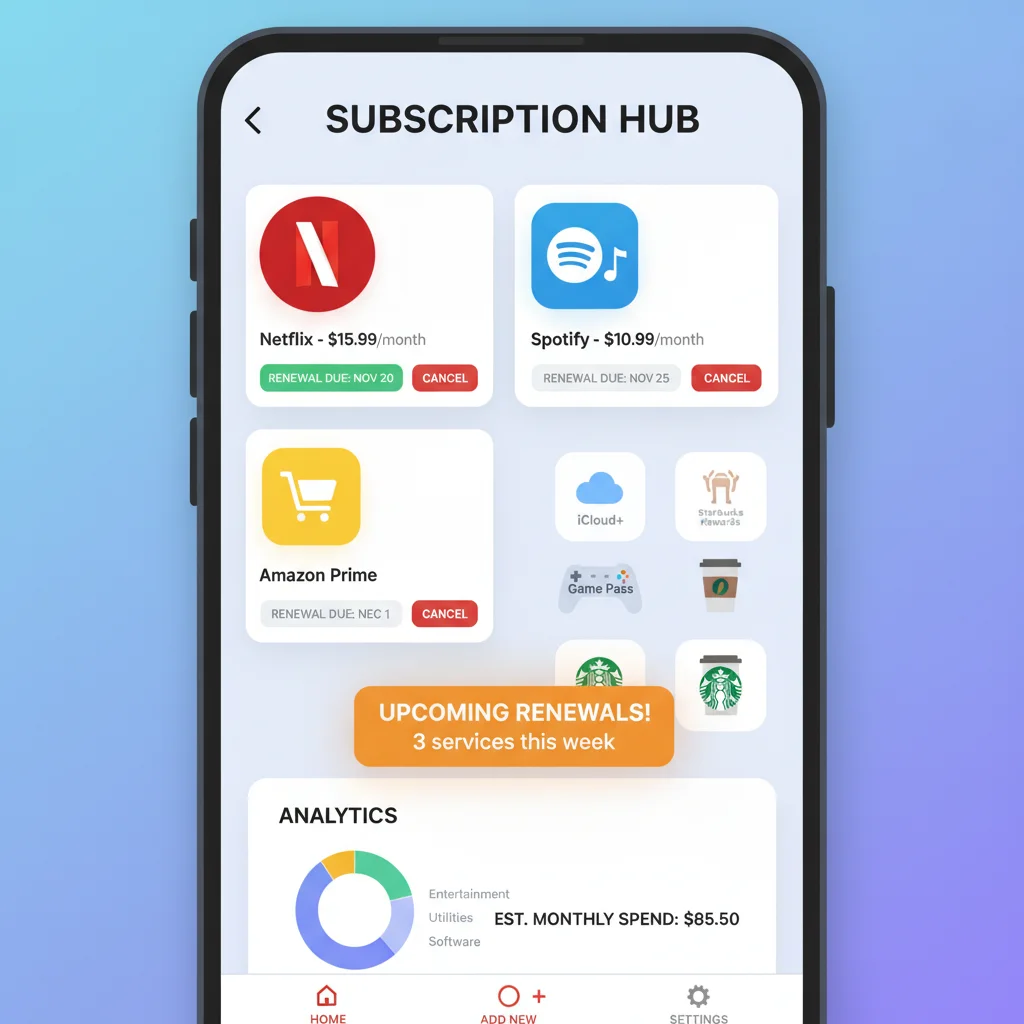
3. Utilize Subscription Management Apps and Services
Several apps and financial tools are designed to help you track and manage your subscriptions. Services like Truebill (now Rocket Money), Mint, or YNAB can link to your bank accounts and automatically identify recurring payments. While some offer cancellation services for a fee, their primary value lies in giving you a clear overview of your spending. These tools are becoming increasingly sophisticated in 2026, often using AI to detect subtle recurring charges.
4. Audit Your App Store Subscriptions
If you have an iPhone, check your Apple ID subscriptions. For Android users, review your Google Play subscriptions. Many app-based services are managed directly through these platforms, and you might be surprised by what you find.
Once you have a comprehensive list, categorize each subscription. Be brutally honest about your usage. Do you truly need that premium weather app? Are you really watching all six streaming services every month? This audit is critical for effective financial decision-making and helps you prioritize which services to cancel unwanted subscriptions from.
Understanding Common Subscription Traps in 2026
The subscription landscape is constantly evolving, and so are the tactics used to encourage sign-ups and discourage cancellations. Being aware of these traps is essential to protecting your wallet:
1. “Free” Trials That Auto-Renew
This is perhaps the oldest trick in the book, and it’s still highly effective. You sign up for a 7-day or 30-day free trial, often requiring credit card information upfront. If you forget to cancel before the trial ends, you’re automatically billed for the first (and subsequent) periods. In 2026, regulations around disclosing auto-renewal terms are tighter, but it’s still your responsibility to read the fine print.
2. “Introductory Offers” With Hidden Price Hikes
Many services offer a low introductory rate for the first few months or a year. After this period, the price can significantly jump without much fanfare. Always check the full price after the introductory period when you sign up.
3. Bundled Services You Don’t Need
Sometimes, you might sign up for one service and unknowingly get a “free” or heavily discounted trial of another service bundled with it. If you don’t actively cancel the bundled service, it can become a separate, recurring charge.
4. Difficult Cancellation Processes
Some companies intentionally make it hard to cancel. This can involve:
- Hidden Cancellation Buttons: Buried deep within account settings.
- Phone-Only Cancellations: Forcing you to call during business hours and endure long wait times or sales pitches.
- Retention Offers: Offering discounts or free months to dissuade you from leaving.
- Complex Workflows: Requiring multiple steps, confirmations, or even sending physical mail.
5. “Zombie” Subscriptions
These are subscriptions you signed up for years ago and completely forgot about. They might be for an app you used once, a niche content service, or even a cloud storage plan you no longer need. These are often the easiest to cancel unwanted subscriptions from, as their utility is usually zero.
Your Consumer Rights in 2026: Empowering Your Cancellation Efforts
In the United States, consumer protection laws are continually evolving to address the challenges of the subscription economy. While specific laws vary by state, several federal guidelines and best practices empower you to cancel unwanted subscriptions:
1. Clear Disclosure of Terms
The Federal Trade Commission (FTC) and various state laws require businesses to clearly disclose the terms of auto-renewing subscriptions, including the price, renewal date, and how to cancel. This information should be readily available before you commit to a subscription.
2. Easy Cancellation Mechanisms
While not universally mandated for all services, there’s a growing push for companies to offer cancellation methods that are at least as easy as the sign-up process. California’s Automatic Renewal Law (ARL) is a prime example, requiring businesses to provide a “simple to use” online cancellation method if the original sign-up was online.
3. Right to Dispute Charges
If you are charged for a subscription you believe you properly canceled or never authorized, you have the right to dispute the charge with your bank or credit card company. This is a powerful tool, but it should be used as a last resort after attempting to resolve the issue directly with the merchant.
4. State-Specific Protections
Many states have their own consumer protection laws regarding automatic renewals. It’s wise to be aware of the laws in your state, as they may offer additional protections. For instance, some states require businesses to send renewal reminders a certain number of days before a charge.
Knowing your rights gives you leverage. If a company makes it excessively difficult to cancel unwanted subscriptions, citing consumer protection laws can sometimes expedite the process.
Step-by-Step Guide to Canceling Unwanted Subscriptions
Now that you’ve identified your subscriptions and understand the common traps, it’s time for action. Here’s a systematic approach to successfully cancel unwanted subscriptions:
1. Prioritize Your Cancellations
Start with the services you never use or clearly don’t need. These are the “low-hanging fruit” that will give you immediate savings. Next, consider services with overlapping functionality (e.g., multiple streaming platforms offering similar content).
2. Gather Necessary Information
Before initiating a cancellation, have your account details ready: username, password, account number, billing address, and the email associated with the account. This will streamline the process.
3. Choose the Right Cancellation Method
a. Online Account Settings: Most modern services allow you to cancel directly through your account settings on their website or app. Look for sections like “Subscriptions,” “Billing,” “Account Management,” or “Settings.”
b. App Store/Google Play: For app-based subscriptions, manage them directly through your device’s app store settings.
c. Contact Customer Support: If online cancellation isn’t available or is too difficult, contact the company’s customer support. Be prepared for potential retention offers. Be polite but firm in your decision to cancel unwanted subscriptions.
d. Third-Party Services: While some subscription management apps offer to cancel for you, be mindful of potential fees. Evaluate if the convenience outweighs the cost.
4. Document Everything
After you cancel, take screenshots of confirmation pages, save confirmation emails, and note down the date and time of your cancellation. If you speak to customer service, record the representative’s name and a reference number for the interaction. This documentation is invaluable if you need to dispute a charge later.
5. Monitor Your Statements
Even after canceling, continue to monitor your bank and credit card statements for at least two billing cycles to ensure the recurring charge has indeed stopped. If it hasn’t, use your documentation to dispute the charge.

Advanced Strategies for Subscription Management in 2026
Beyond simply canceling, here are some proactive strategies to prevent future subscription traps and optimize your spending:
1. The “Subscription Pause” Feature
Many services now offer the option to “pause” your subscription instead of outright canceling. This is excellent for seasonal services (e.g., a fitness app you only use in summer) or if you’re unsure about canceling permanently. It allows you to retain your account history and settings without paying for periods of non-use.
2. Negotiate Better Deals
Before you cancel unwanted subscriptions, especially for services you value, consider contacting customer retention. Often, they will offer discounts, promotional rates, or additional features to keep you as a customer. This is particularly effective for internet, cable, and phone services.
3. Use Virtual Credit Card Numbers
Some banks and services (like Privacy.com) offer virtual credit card numbers. You can set spending limits or even expiration dates on these numbers. If you sign up for a free trial using a virtual card with a low limit or short expiration, it automatically prevents unwanted charges if you forget to cancel.
4. Consolidate and Bundle Wisely
Review your needs and see if you can consolidate. For example, if you have multiple streaming services, consider if a single, more comprehensive bundle from one provider might be more cost-effective. Be cautious, however, not to fall into the trap of paying for bundled services you don’t actually use.
5. The “Annual Review” Habit
Make it a habit to conduct a thorough subscription audit at least once a year. Mark it on your calendar. This annual review will help you catch any new subscriptions that have crept in and reassess the value of your existing ones. This proactive approach helps you consistently cancel unwanted subscriptions and maintain financial control.
6. Leverage Shared Accounts (When Permitted)
For family plans or services that allow multiple users, ensure you’re maximizing their value. If you’re paying for a family plan for a service and only one person is using it, consider downgrading or sharing costs with others if allowed by the terms of service.
7. Understand Auto-Renewal Laws
Stay informed about current and upcoming auto-renewal laws, both federally and in your specific state. These laws are designed to protect consumers and can provide you with additional avenues if you encounter difficulties trying to cancel unwanted subscriptions.
The Financial Impact: Saving 10-20% on Monthly Bills
The cumulative effect of successfully managing and canceling unwanted subscriptions can be substantial. Let’s do some quick math:
- If you spend $200 per month on subscriptions and cut 10%, that’s $20 saved monthly, or $240 annually.
- If you manage to cut 20%, that’s $40 saved monthly, or $480 annually.
- For households spending more, the savings can easily reach into the thousands per year.
This isn’t just about reducing expenses; it’s about reallocating those funds to more meaningful goals – whether it’s building an emergency fund, paying down debt, saving for a vacation, or investing in your future. Every dollar you save by choosing to cancel unwanted subscriptions is a dollar you can put towards your financial aspirations.
When to Keep a Subscription: Value vs. Cost
While the focus is on canceling, it’s also important to recognize the value that some subscriptions bring. The goal isn’t to live without all services, but to be intentional about your spending. Ask yourself:
- How often do I use this service? Daily, weekly, monthly, or rarely?
- Does it genuinely enhance my life? Does it save me time, provide unique entertainment, or contribute to my well-being?
- Can I get similar value elsewhere for less? Are there free alternatives or cheaper competitors?
- Is the cost justified by the benefit? Is $15/month for a service you use once a month truly worth it?
By applying this value-based assessment, you can make informed decisions about which subscriptions to keep and which to cancel unwanted subscriptions from your financial ledger.
Conclusion: Take Control of Your Subscription Spending
In the evolving landscape of 2026, mastering your subscriptions is a critical skill for financial health. The convenience of recurring services can quickly turn into a significant financial burden if left unchecked. By proactively identifying your subscription footprint, understanding common traps, leveraging your consumer rights, and employing strategic cancellation and management techniques, you can confidently cancel unwanted subscriptions and unlock substantial savings.
Make it a priority to regularly audit your spending, be vigilant about free trials, and don’t hesitate to contact customer support when necessary. The power to save 10-20% on your monthly bills is within your reach. Start today, and take a significant step towards a more financially secure and intentional future.


