Top 4 Eco-Friendly Home Appliances 2026: Save Energy & Money
Anúncios
Top 4 Eco-Friendly Home Appliances 2026: Which Save the Most Energy and Money?
In an era where environmental consciousness and financial prudence go hand-in-hand, selecting the right home appliances has never been more critical. As we look towards 2026, technological advancements are continually pushing the boundaries of what’s possible in terms of energy efficiency and sustainability. The market is flooded with innovations promising to reduce your carbon footprint and, more immediately, slash your monthly utility bills. But with so many options, how do you discern which eco-friendly appliances truly deliver on their promises?
Anúncios
This comprehensive guide delves into the top 4 eco-friendly home appliances for 2026, meticulously comparing their energy-saving capabilities, monetary benefits, and overall impact on sustainable living. We’ll explore the cutting-edge features that set these appliances apart, helping you make informed decisions for a greener, more economical household. Get ready to transform your home into an energy-saving sanctuary!
Anúncios
The Dawn of Smart Refrigeration: Beyond Basic Cooling
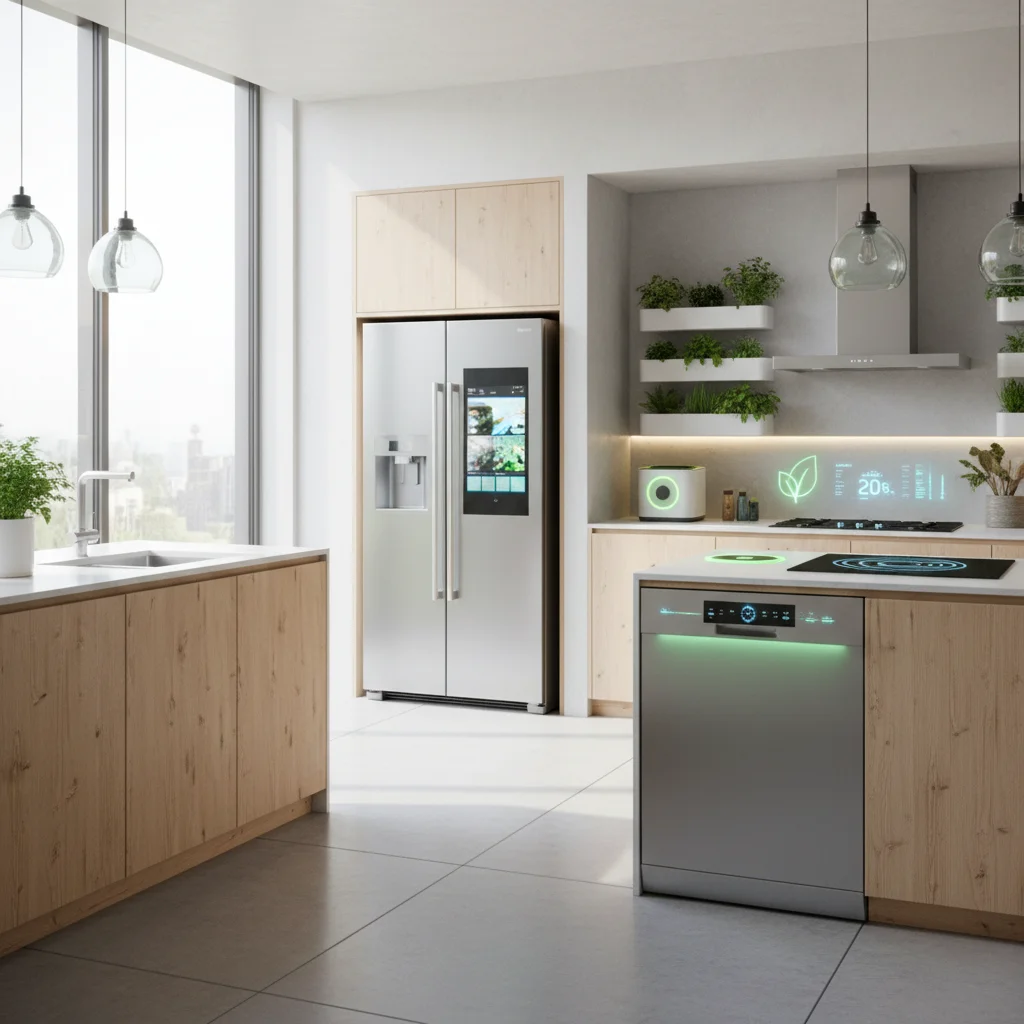
Refrigerators are often considered one of the biggest energy consumers in any household, running 24/7. However, the 2026 landscape for eco-friendly appliances brings forth a new generation of smart refrigerators that are redefining efficiency. These aren’t just about keeping your food cold; they’re about intelligent energy management.
Key Innovations in 2026 Eco-Friendly Refrigerators:
- Advanced Inverter Compressors: Unlike traditional compressors that cycle on and off, inverter compressors adjust their speed to match cooling demands, leading to significantly lower energy consumption and quieter operation. This continuous, optimized running minimizes energy waste.
- Vacuum Insulation Panels (VIPs): Replacing traditional foam insulation, VIPs offer superior thermal resistance, allowing for thinner walls and more internal space without increasing the appliance’s footprint or energy use. This technology drastically reduces heat transfer, keeping your food colder with less effort.
- Smart Sensors and AI Integration: Modern eco-friendly appliances, especially refrigerators, come equipped with an array of sensors that monitor internal temperature, humidity, and even door openings. AI algorithms learn your usage patterns, optimizing defrost cycles and cooling schedules to prevent energy wastage. Some models can even suggest optimal placement for different food types to maintain freshness longer, reducing food waste – another crucial aspect of eco-friendliness.
- Door-in-Door and FlexZone Technologies: These features minimize cold air loss by providing easy access to frequently used items without opening the main compartment. FlexZone compartments can be converted from fridge to freezer based on your needs, offering unparalleled flexibility and energy efficiency.
Energy and Money Savings:
A typical older refrigerator can consume upwards of 600-800 kWh per year. The new 2026 eco-friendly models, particularly those with Energy Star ratings of 3.0 or higher, can bring this down to 250-350 kWh annually. This translates to substantial savings on your electricity bill. For instance, if electricity costs $0.15/kWh, upgrading to a 2026 eco-friendly refrigerator could save you approximately $50-$80 per year. Over the appliance’s lifespan of 10-15 years, these savings accumulate to $500-$1200, often offsetting a significant portion of the initial investment. Furthermore, reduced food spoilage due to advanced preservation technologies adds another layer of financial benefit.
When considering eco-friendly appliances for your kitchen, the refrigerator is an excellent starting point for significant long-term savings and environmental impact.
High-Efficiency Washing Machines: Cleaner Clothes, Greener Planet
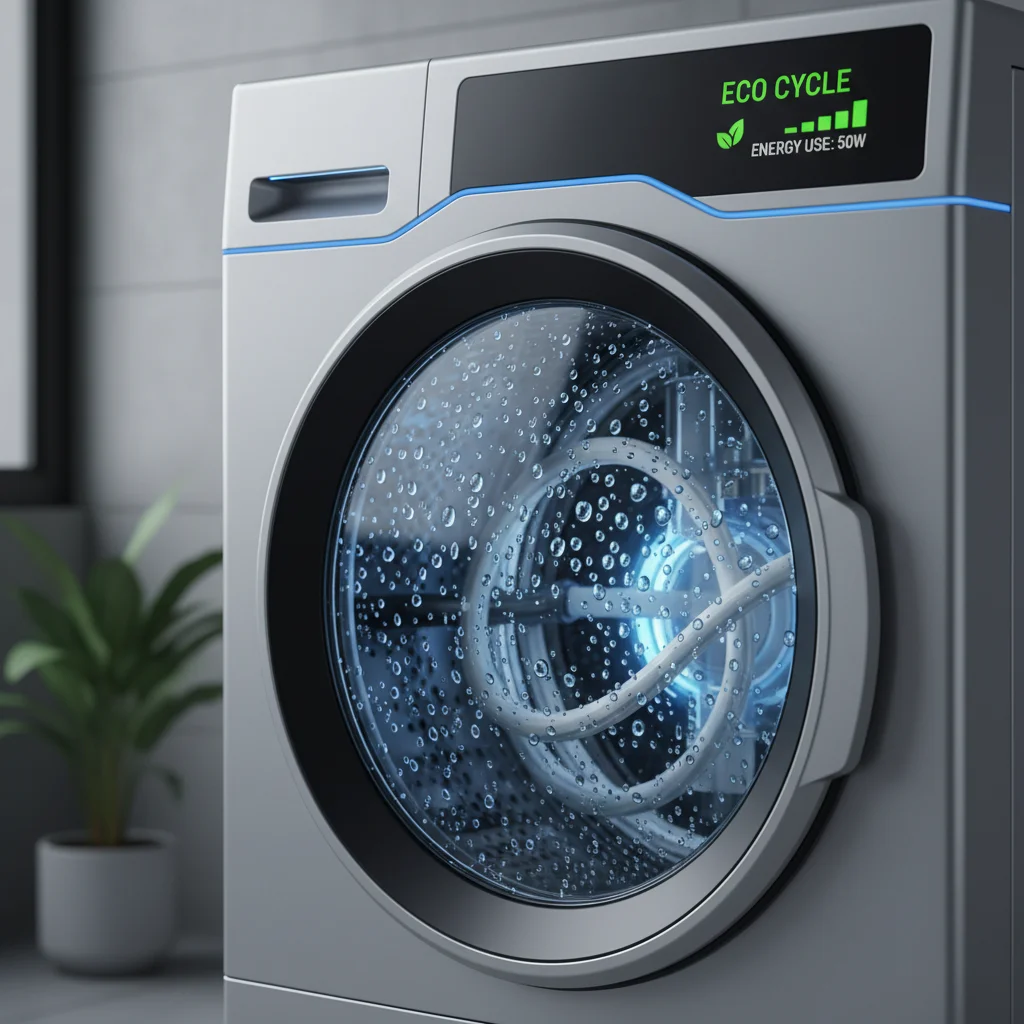
The evolution of washing machines has been remarkable, moving from water-guzzling behemoths to sophisticated eco-friendly appliances that conserve both water and energy. The 2026 models are at the forefront of this revolution, offering unparalleled efficiency.
Key Innovations in 2026 Eco-Friendly Washing Machines:
- Front-Load Dominance with Advanced Agitation: Front-load washers are inherently more efficient than top-loaders, using less water and energy. The latest models incorporate advanced drum designs and intelligent tumbling patterns that provide a thorough clean with minimal resources.
- Smart Sensing and Dosing: These machines utilize sensors to detect the load size, fabric type, and soil level, automatically adjusting water levels, wash cycles, and even detergent dispensing. This precision ensures optimal cleaning with the least amount of water and energy, preventing unnecessary resource consumption.
- Cold Water Washing Optimization: A significant portion of a washing machine’s energy consumption comes from heating water. 2026 eco-friendly appliances are designed with specialized wash cycles and detergents that perform exceptionally well in cold water, drastically reducing energy use without compromising cleaning performance.
- Steam Cleaning Technology: While steam cycles can use some energy, they often reduce the need for harsh chemicals and can sanitize clothes effectively at lower temperatures, contributing to a healthier environment and extending the life of your garments.
- Recycled Water Systems: Some cutting-edge models are experimenting with internal water recycling systems, filtering and reusing water for subsequent rinse cycles, further reducing water consumption.
Energy and Money Savings:
Traditional washing machines can use anywhere from 20-40 gallons of water per load and consume significant energy, especially with hot water cycles. A 2026 Energy Star certified eco-friendly washing machine can reduce water consumption to as little as 10-15 gallons per load and cut energy usage by 60-70%. Assuming an average of 5 loads per week, this could save you thousands of gallons of water annually and reduce electricity costs by $40-$70 per year. Over a 10-year lifespan, these savings can easily reach $400-$700 in electricity and potentially hundreds more in water bills, depending on local water rates. The combination of water and energy efficiency makes these eco-friendly appliances a smart investment.
Smart Thermostats: The Brains Behind Home Energy Management
While not a traditional ‘appliance’ in the same vein as a refrigerator or washer, smart thermostats are arguably one of the most impactful eco-friendly appliances for overall home energy management. They offer unparalleled control over your heating and cooling, which accounts for the largest portion of household energy consumption.
Key Innovations in 2026 Eco-Friendly Smart Thermostats:
- Advanced Learning Algorithms: The latest smart thermostats go beyond basic programming. They learn your preferences, daily routines, and even anticipate when you’ll be home or away, automatically adjusting temperatures for optimal comfort and maximum energy savings.
- Geofencing Technology: Using your smartphone’s location, these thermostats can detect when you leave or approach home, adjusting the temperature accordingly. This ensures you’re not heating or cooling an empty house, a significant source of energy waste.
- Integration with Weather Forecasts: 2026 models can pull local weather data to pre-heat or pre-cool your home during off-peak hours or in anticipation of extreme temperatures, leveraging cheaper energy rates and reducing strain on the grid.
- Zoned Heating and Cooling: For homes with multiple zones, smart thermostats can manage each zone independently, ensuring that only occupied areas are conditioned to your desired temperature, leading to highly localized and efficient climate control.
- Energy Reporting and Insights: These eco-friendly appliances provide detailed reports on your energy usage, offering actionable insights and personalized tips to further reduce consumption. Some even integrate with utility companies for demand-response programs, earning you rebates for reducing energy during peak times.
Energy and Money Savings:
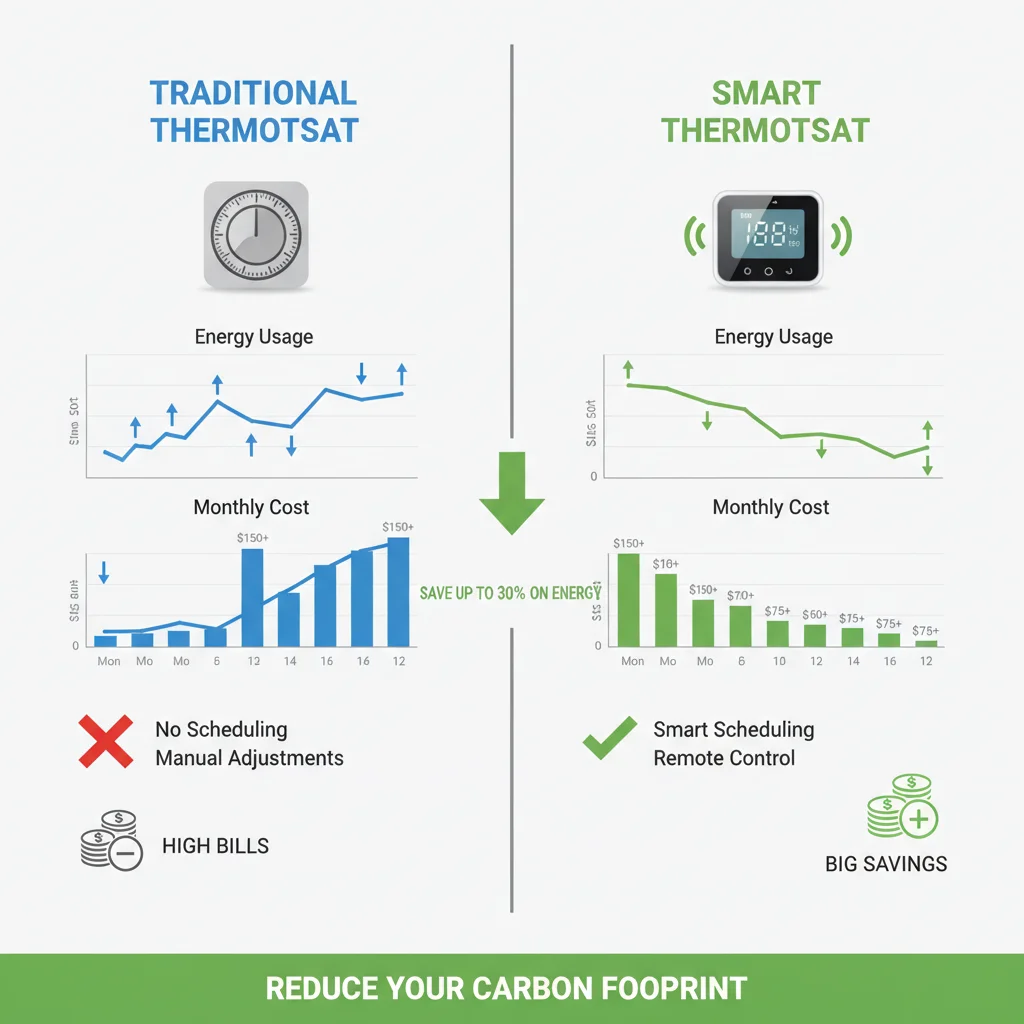
Heating and cooling can account for 50-70% of a typical home’s energy bill. By intelligently managing your HVAC system, smart thermostats can save homeowners an average of 10-15% on heating and 15-20% on cooling costs. For a household spending $1500-$2500 annually on energy, this translates to savings of $150-$500 per year. Given their relatively modest upfront cost, smart thermostats often pay for themselves within one to two years, making them one of the most cost-effective eco-friendly appliances you can invest in. Their continuous optimization ensures long-term financial and environmental benefits.
Heat Pump Water Heaters: Efficient Hot Water on Demand
Water heating is the second-largest energy consumer in many homes, typically accounting for 14-18% of utility bills. Traditional electric resistance water heaters are notoriously inefficient. However, heat pump water heaters (HPWHs) are a game-changer among eco-friendly appliances, offering a highly efficient alternative.
Key Innovations in 2026 Eco-Friendly Heat Pump Water Heaters:
- Air-Source Technology: HPWHs don’t generate heat directly; instead, they move heat from the surrounding air to the water in the tank, using electricity only to transfer heat, not create it. This makes them significantly more efficient than conventional electric water heaters.
- Integrated Smart Controls: Like other eco-friendly appliances, 2026 HPWHs come with smart controls that allow you to set schedules, monitor energy usage, and even integrate with your home’s smart energy management system. They can optimize heating cycles based on demand, preventing unnecessary energy consumption.
- Hybrid Operating Modes: Many HPWHs offer hybrid modes, allowing them to switch to conventional electric resistance heating during periods of high demand or extremely cold ambient temperatures, ensuring you always have hot water while prioritizing efficiency.
- Improved Cold Climate Performance: Older HPWH models struggled in colder climates. Newer 2026 designs feature enhanced compressors and refrigerants, allowing them to operate efficiently in a wider range of ambient temperatures, making them viable for more regions.
- Reduced Standby Heat Loss: Advanced insulation and design minimize heat loss from the tank, ensuring that the water stays hot for longer without constant reheating.
Energy and Money Savings:
Heat pump water heaters are typically 2-3 times more energy efficient than conventional electric resistance water heaters. This can lead to annual savings of $250-$450 on your electricity bill. Over the 13-15 year lifespan of an HPWH, these savings can accumulate to $3,250-$6,750, making them a highly attractive investment despite a higher initial purchase price. Furthermore, many utility companies offer rebates and incentives for installing HPWHs, further reducing the payback period and enhancing their appeal as eco-friendly appliances.
Beyond the Top 4: Other Notable Eco-Friendly Appliances for 2026
While the focus has been on the major energy consumers, several other eco-friendly appliances are making significant strides in efficiency and sustainability:
- Induction Cooktops: These cooktops use electromagnetic fields to heat cookware directly, resulting in minimal heat loss and faster cooking times compared to traditional electric or gas stoves. They are incredibly energy efficient and offer precise temperature control.
- Dishwashers with Soil Sensors: Modern dishwashers utilize sensors to detect how dirty your dishes are, adjusting water usage and cycle length accordingly. Many also feature advanced filtration systems that allow for more efficient water reuse during cycles.
- LED Lighting with Smart Controls: While not strictly an appliance, upgrading to LED lighting and integrating it with smart home systems for occupancy sensing and dimming capabilities can drastically reduce lighting energy consumption.
- Solar-Powered Gadget Chargers: For smaller electronics, portable and even integrated solar chargers are becoming more efficient and accessible, reducing reliance on grid electricity for everyday devices.
Making the Smart Switch: Factors to Consider When Buying Eco-Friendly Appliances
Investing in eco-friendly appliances is a commitment to both your wallet and the planet. Here are crucial factors to consider before making your purchase:
1. Energy Star Rating:
Always look for the Energy Star label. This certification indicates that an appliance meets strict energy efficiency guidelines set by the U.S. Environmental Protection Agency. For 2026, look for higher versions of the Energy Star rating, which signify even greater efficiency.
2. Total Cost of Ownership (TCO):
Don’t just look at the purchase price. Factor in the long-term energy and water savings. A more expensive eco-friendly appliance might have a lower TCO over its lifespan due to reduced operating costs. Calculate the payback period to see how quickly the savings will offset the initial investment.
3. Rebates and Incentives:
Many government agencies and utility companies offer rebates, tax credits, or other incentives for purchasing energy-efficient appliances. Research what’s available in your area to further reduce the effective cost of your eco-friendly appliances.
4. Smart Home Integration:
Consider how well new appliances integrate with your existing smart home ecosystem. Seamless integration can enhance efficiency through automation and remote control, making your home even smarter and more sustainable.
5. Water Efficiency (for relevant appliances):
For washing machines, dishwashers, and water heaters, check their Water Factor (WF) or gallons per cycle/year. Lower numbers indicate greater water efficiency, which is crucial in regions facing water scarcity.
6. Durability and Longevity:
A truly eco-friendly appliance is one that lasts. Research brands known for durability and reliability. A longer lifespan means less waste and fewer resources consumed in manufacturing replacements.
7. Recycling and Disposal:
Consider the end-of-life plan for your old appliances and the new ones. Many retailers offer recycling services for old appliances when you purchase new ones. Look for manufacturers that prioritize recyclable materials in their designs.
The Future is Green: Why Eco-Friendly Appliances Matter
The shift towards eco-friendly appliances is more than just a trend; it’s a fundamental change in how we interact with our homes and the environment. By choosing energy-efficient options, you are:
- Reducing Your Carbon Footprint: Lower energy consumption directly translates to fewer greenhouse gas emissions from power plants.
- Saving Money: The financial benefits are clear and tangible, putting more money back into your pocket.
- Conserving Natural Resources: Less energy and water usage means a reduced strain on finite resources.
- Enhancing Home Comfort and Value: Modern eco-friendly appliances often come with advanced features that improve comfort and can increase your home’s resale value.
- Supporting Innovation: Your purchasing decisions encourage manufacturers to continue developing more sustainable and efficient technologies.
As 2026 approaches, the market for eco-friendly appliances will continue to expand, offering even more sophisticated and efficient solutions. Staying informed about these advancements empowers you to make choices that benefit both your household and the planet. Embrace the future of sustainable living, one smart appliance at a time.


