Electronics Recycling in the U.S.: New Regulations and Best Practices for 2026 to Ensure Proper Disposal
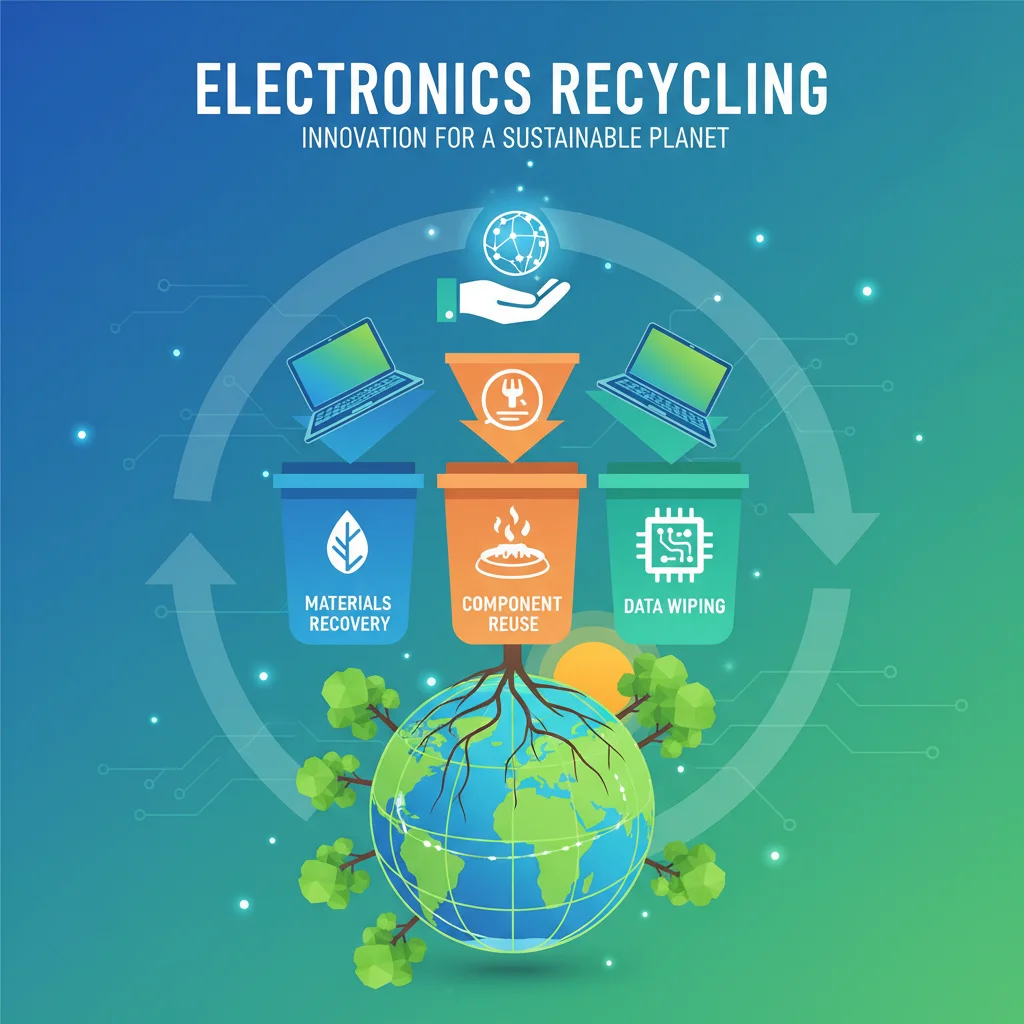
As technology continues its relentless march forward, the lifespan of our beloved electronic devices often feels shorter than ever. From smartphones to smart refrigerators, the rate at which we upgrade and replace our electronics generates an ever-growing mountain of electronic waste, or e-waste. This burgeoning problem isn’t just an aesthetic concern; it poses significant environmental and health risks due to the hazardous materials contained within these devices. Recognizing this challenge, the United States is continuously evolving its approach to electronics recycling US, with significant new regulations and best practices anticipated for 2026. Understanding these changes is crucial for individuals, businesses, and government entities alike to ensure proper disposal and foster a more sustainable future.
Anúncios
The Growing Challenge of E-Waste: Why Electronics Recycling US is Critical
The digital age, while offering unparalleled convenience and connectivity, comes with a significant environmental footprint. Every year, millions of tons of electronic waste are generated globally, with the United States being one of the largest contributors. This e-waste is not merely trash; it’s a complex mix of valuable materials like gold, silver, copper, and platinum, alongside hazardous substances such as lead, mercury, cadmium, and brominated flame retardants. When improperly disposed of, these toxic elements can leach into soil and water, contaminating ecosystems and posing severe health risks to human populations.
The urgency for effective electronics recycling US stems from several critical factors:
Anúncios
- Environmental Protection: Preventing soil and water contamination from heavy metals and other toxins.
- Resource Conservation: Recovering valuable raw materials reduces the need for virgin mining, which is energy-intensive and environmentally destructive.
- Energy Savings: Recycling materials often requires less energy than producing new ones from scratch.
- Job Creation: The e-waste recycling industry creates jobs in collection, sorting, processing, and manufacturing.
- Health Safeguards: Protecting communities, especially those in developing countries where much of the world’s e-waste is illegally dumped and processed under unsafe conditions.
Without robust frameworks for electronics recycling US, we risk exacerbating these issues, making the upcoming 2026 regulations even more pivotal.
Understanding the Current Landscape of Electronics Recycling US Regulations
Before delving into the future, it’s essential to grasp the current regulatory environment for electronics recycling US. Unlike some other waste streams, there isn’t a single, comprehensive federal law governing e-waste recycling across the entire nation. Instead, the regulatory landscape is a patchwork of state-specific laws, voluntary industry standards, and federal guidelines that primarily address hazardous waste management.
Federal Oversight: RCRA and Beyond
The primary federal law that indirectly impacts e-waste is the Resource Conservation and Recovery Act (RCRA). RCRA regulates the generation, transportation, treatment, storage, and disposal of hazardous waste. While some electronic components might be classified as hazardous under RCRA, many are not, leading to complexities in enforcement and inconsistent disposal practices. The Environmental Protection Agency (EPA) provides guidance and promotes voluntary programs, but direct mandates for electronics recycling remain largely at the state level.
State-Level Initiatives: The Driving Force
Currently, over half of U.S. states have enacted some form of e-waste legislation, typically in the form of producer responsibility laws. These laws generally fall into two categories:
- Producer Responsibility: Manufacturers are held responsible for financing or operating collection and recycling programs for their products at the end of their life. This often involves setting recycling targets and reporting requirements.
- Advance Recycling Fee (ARF): Consumers pay a small fee at the time of purchase, which funds state-run recycling programs.
These state laws vary significantly in scope, covered products, and recycling targets, creating a complex compliance environment for manufacturers and a sometimes confusing system for consumers seeking to recycle. The lack of uniformity can hinder efficient electronics recycling US efforts and create loopholes for improper disposal.
Anticipated New Regulations for Electronics Recycling US in 2026
The year 2026 is poised to bring significant advancements and potential shifts in the regulatory framework for electronics recycling US. While specific details are still being finalized, discussions and proposed legislation point towards a more harmonized and stringent approach. The overarching goal is to increase recycling rates, improve environmental outcomes, and standardize practices across states.
Towards Federal Harmonization?
One of the most anticipated developments is a potential move towards greater federal involvement or at least the establishment of federal guidelines that encourage state uniformity. This could manifest in several ways:
- National E-Waste Standards: The EPA might introduce national minimum standards for e-waste collection, processing, and reporting, which states would then be required to meet or exceed.
- Expanded Producer Responsibility (EPR) Mandates: There’s growing momentum for a federal EPR framework that would place a clearer and more consistent financial and operational responsibility on electronics manufacturers for the end-of-life management of their products. This would reduce the burden on municipalities and taxpayers.
- Incentives for Innovation: New legislation might include incentives for manufacturers to design more repairable, durable, and recyclable products, moving towards a circular economy model.
Focus on Critical Materials and Supply Chains
With increasing global competition for critical minerals essential for modern electronics, 2026 regulations are also expected to emphasize the recovery of these materials. This could involve:
- Mandatory Recovery Targets: Setting specific targets for the percentage of critical metals (e.g., lithium, cobalt, rare earth elements) that must be recovered from e-waste.
- Supply Chain Transparency: Requirements for manufacturers to disclose more information about the materials used in their products and their end-of-life recyclability.
Enhanced Consumer Access and Awareness
To boost recycling rates, future regulations will likely focus on making electronics recycling US more accessible and understandable for the average consumer. This could include:
- Standardized Collection Points: A national network of easily identifiable and accessible e-waste drop-off locations.
- Public Awareness Campaigns: Federally funded campaigns to educate consumers about the importance of proper e-waste disposal and how to participate in recycling programs.
These changes, while ambitious, are essential steps toward a more sustainable and responsible approach to electronic waste management in the U.S.
Best Practices for Individuals: Navigating Electronics Recycling US
Even with evolving regulations, individual actions remain paramount. As consumers, we play a crucial role in the success of electronics recycling US efforts. Here are best practices to adopt:
1. Extend Device Lifespan
The most sustainable electronic device is the one you already own. Before thinking about recycling, consider:
- Repair: Can your device be fixed? Support local repair shops or attempt DIY repairs if comfortable.
- Upgrade Components: For computers, upgrading RAM or storage can significantly extend their life.
- Protective Measures: Use cases, screen protectors, and careful handling to prevent damage.
2. Data Security is Key
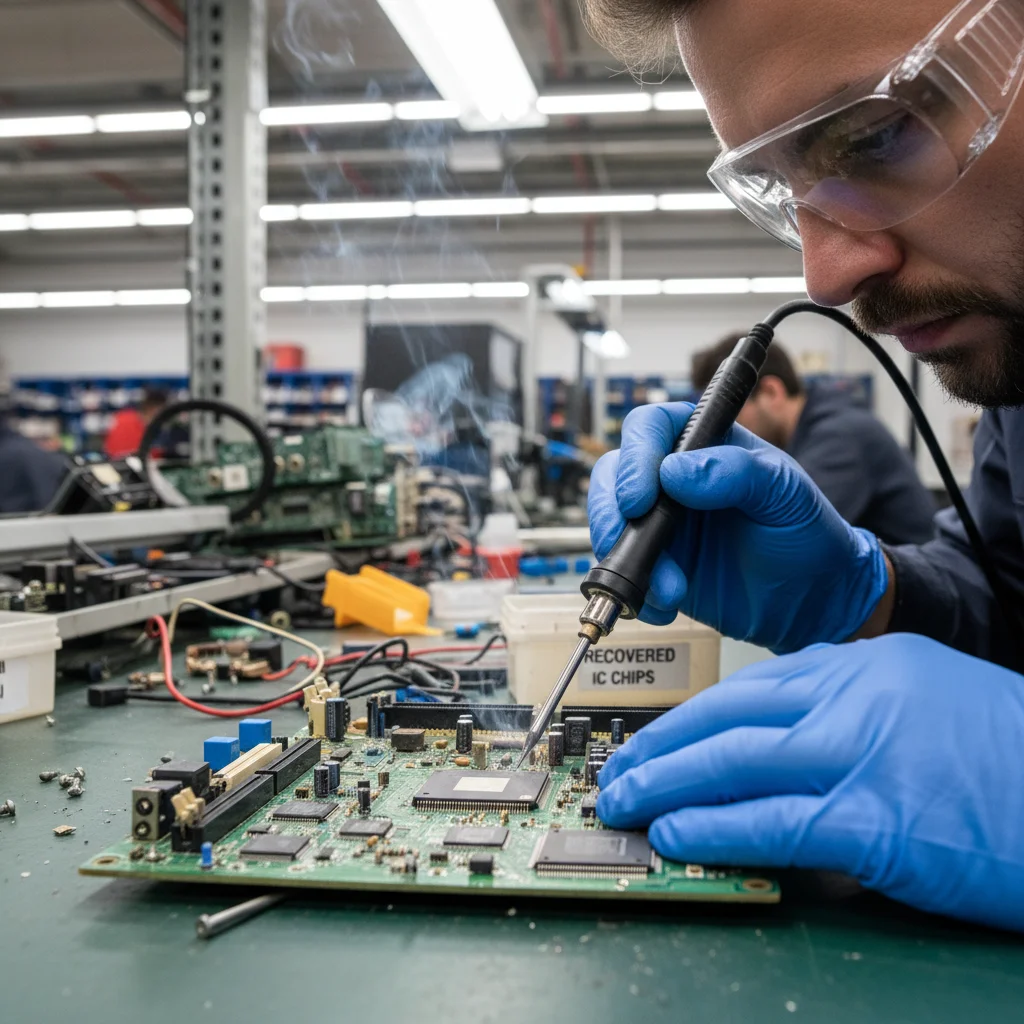
Before recycling or donating any device, ensure all personal data is securely erased. A simple factory reset may not be enough. Use data wiping software or services provided by certified recyclers.
3. Choose Certified Recyclers
This is perhaps the most critical best practice. Not all recyclers are created equal. Look for recyclers certified by recognized programs such as:
- R2 (Responsible Recycling): R2 certified facilities adhere to strict environmental, health, safety, and security standards. They ensure data destruction and prohibit the export of hazardous e-waste to developing countries.
- e-Stewards: Similar to R2, e-Stewards certification ensures responsible e-waste recycling, focusing on preventing toxic waste from being sent to landfills or developing countries.
These certifications provide assurance that your electronics will be handled responsibly and ethically.
4. Utilize Manufacturer Take-Back Programs
Many major electronics manufacturers offer free or low-cost take-back programs for their products. Check their websites for details on how to return old devices for recycling.
5. Participate in Local Collection Events
Keep an eye out for local e-waste collection events organized by your municipality or local environmental groups. These are often convenient ways to dispose of multiple items.
6. Understand What is Accepted
Different programs and facilities accept different types of e-waste. Always check beforehand. Common items include computers, monitors, TVs, printers, cell phones, and small appliances. Batteries often require separate disposal.
Best Practices for Businesses: Compliance and Sustainability in Electronics Recycling US
Businesses, particularly those that generate significant volumes of e-waste, face unique challenges and responsibilities under current and future electronics recycling US regulations. Adopting robust best practices is not only about compliance but also about demonstrating corporate social responsibility and contributing to a circular economy.
1. Develop an E-Waste Management Policy
Implement a clear, company-wide policy for the disposal of electronic assets. This policy should cover:
- Asset Tracking: Maintain an inventory of all electronic assets throughout their lifecycle.
- Data Destruction Protocols: Establish stringent procedures for data wiping or destruction before disposal.
- Designated Personnel: Assign responsibilities for overseeing e-waste management.
2. Partner with Certified IT Asset Disposition (ITAD) Providers
For businesses, especially those handling sensitive data or large volumes of e-waste, partnering with an R2 or e-Stewards certified ITAD provider is essential. These providers offer comprehensive services including secure data destruction, asset tracking, refurbishment, and responsible recycling.
3. Prioritize Reuse and Refurbishment
Before recycling, explore options for extending the life of your business electronics. Can older equipment be refurbished and redeployed within the company, donated to charities, or sold on secondary markets? This hierarchy of waste management (reduce, reuse, recycle) remains the most effective approach.
4. Educate Employees
Ensure all employees are aware of the company’s e-waste policies and the proper procedures for disposing of their work-related electronics. Training can help prevent accidental improper disposal.
5. Stay Informed on Regulations
With the dynamic nature of electronics recycling US regulations, businesses must proactively stay informed about federal, state, and local requirements. This might involve subscribing to industry updates, consulting with legal experts, or engaging with industry associations.
6. Consider Green Procurement Policies
Integrate environmental considerations into your purchasing decisions. Prioritize electronics from manufacturers with strong take-back programs, durable products, and commitments to using recycled content and sustainable design principles.
The Role of Technology and Innovation in Future Electronics Recycling US
As we look towards 2026 and beyond, technological advancements will play a pivotal role in improving the efficiency and effectiveness of electronics recycling US. Innovations are emerging across various stages of the recycling process:
1. Advanced Sorting and Automation
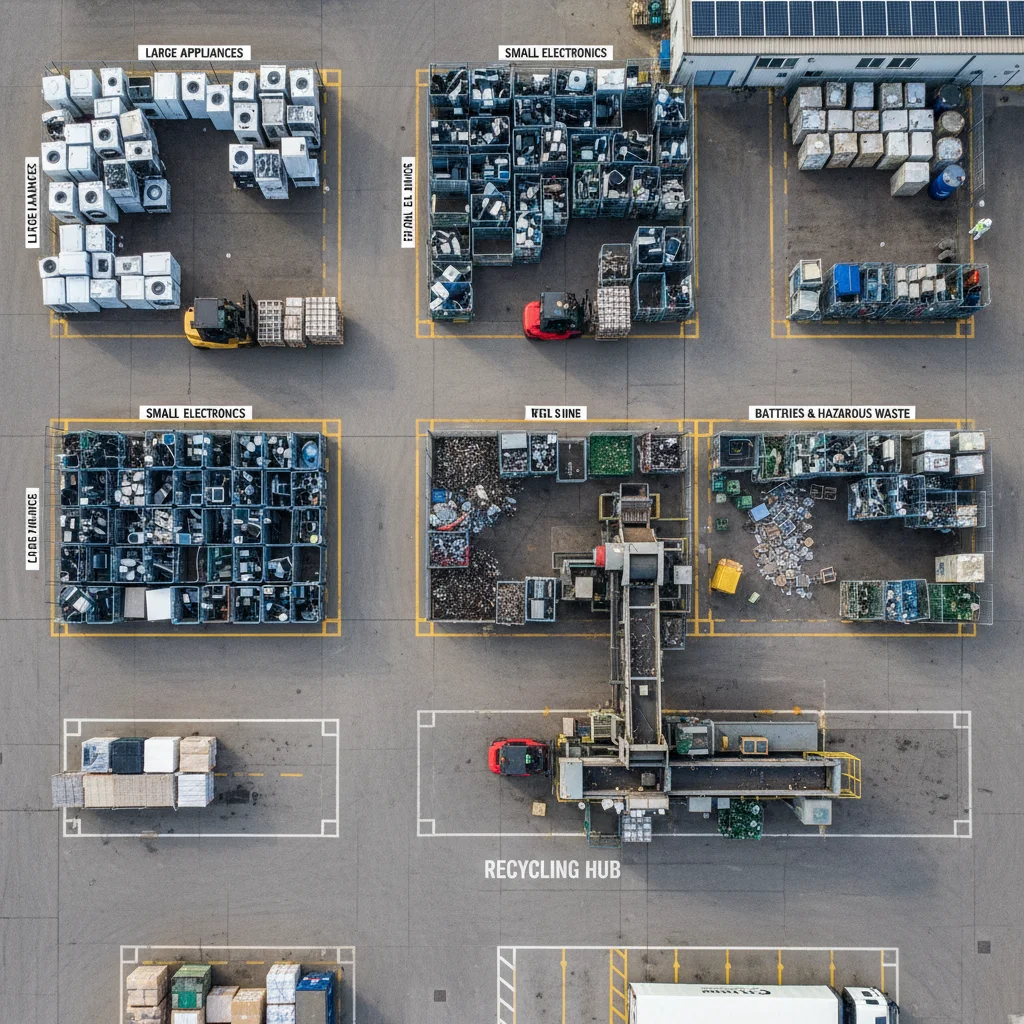
Robotics and artificial intelligence (AI) are being deployed in recycling facilities to improve the speed and accuracy of sorting different types of plastics, metals, and components from mixed e-waste streams. This reduces manual labor and increases the purity of recovered materials.
2. Enhanced Material Recovery Techniques
New hydrometallurgical and pyrometallurgical processes are being developed to extract valuable and critical metals from e-waste more efficiently and with less environmental impact than traditional methods. This includes better recovery of rare earth elements, which are crucial for many modern technologies.
3. Design for Disassembly and Recyclability
Manufacturers are increasingly focusing on ‘design for disassembly’ principles. This involves creating products that are easier to take apart at the end of their life, allowing for more efficient recovery of components and materials. Modular designs and the use of fewer mixed materials are key trends.
4. Blockchain for Supply Chain Transparency
Blockchain technology could be used to create immutable records of a product’s lifecycle, from manufacturing to disposal. This would enhance transparency, verify ethical recycling practices, and track the flow of materials, helping to prevent illegal dumping.
5. Chemical Recycling for Plastics
While mechanical recycling is common for plastics, chemical recycling offers a promising avenue for breaking down complex plastic polymers found in electronics into their basic monomers, which can then be used to create new, high-quality plastics. This is particularly relevant for plastics that are difficult to recycle mechanically.
Challenges and Opportunities for Electronics Recycling US
Despite the progress and anticipated advancements, the journey towards truly sustainable electronics recycling US is not without its challenges:
Challenges:
- Complex Product Design: Modern electronics are often designed with integrated components and proprietary fasteners, making disassembly difficult and costly.
- Rapid Technological Change: The constant introduction of new devices with new materials and designs creates a moving target for recyclers.
- Consumer Awareness and Participation: Despite efforts, many consumers are still unaware of proper recycling methods or the importance of e-waste recycling.
- Economic Viability: The fluctuating market prices for recovered materials can impact the profitability and sustainability of recycling operations.
- Illegal Export: The illegal export of e-waste to countries with lax environmental regulations remains a significant global issue.
Opportunities:
- Circular Economy Transition: The shift towards a circular economy model, where products are designed for durability, repair, and recycling, offers immense potential.
- Green Job Growth: A robust e-waste recycling industry can create numerous skilled jobs.
- Resource Security: Recovering critical minerals domestically can reduce reliance on foreign sources and enhance national resource security.
- Innovation in Recycling Technologies: Continued investment in R&D for advanced recycling processes.
- Public-Private Partnerships: Collaboration between government, industry, and non-profits can drive effective solutions.
Conclusion: A Sustainable Future Through Responsible Electronics Recycling US
The landscape of electronics recycling US is at a critical juncture. With new regulations anticipated for 2026, the nation is moving towards a more structured, responsible, and sustainable approach to managing its electronic waste. These changes, coupled with ongoing technological innovations and a commitment to best practices from individuals and businesses, will be instrumental in mitigating the environmental and health impacts of e-waste.
It is imperative for everyone to understand their role in this evolving system. By prioritizing the extension of device lifespans, choosing certified recyclers, participating in take-back programs, and staying informed about regulatory changes, we can collectively ensure that our technological advancements do not come at the cost of our planet’s health. The future of electronics recycling US is not just about compliance; it’s about building a cleaner, greener, and more resource-efficient society for generations to come. Let’s embrace these changes and work together to make proper e-waste disposal the norm, not the exception.