Unlocking EV Charging Grants 2026: A Business Guide
Anúncios
Navigating the 2026 EV Charging Infrastructure Grants: A Practical Guide for Businesses
The electric vehicle (EV) revolution is accelerating at an unprecedented pace, transforming not just the automotive industry but also urban planning, energy grids, and business operations worldwide. As the adoption of EVs continues to surge, the demand for robust and accessible charging infrastructure becomes paramount. Recognizing this critical need, governments and private organizations are increasingly investing in initiatives to expand charging networks, with a significant focus on providing financial incentives through grants. For businesses, understanding and leveraging these EV charging grants is not just an opportunity for cost savings but a strategic move to future-proof operations, attract new customers, and contribute to a sustainable future.
The year 2026 is poised to be a pivotal year for EV infrastructure development, with numerous grant programs expected to become available or continue their funding cycles. This comprehensive guide aims to demystify the landscape of 2026 EV charging infrastructure grants, offering businesses a practical roadmap to identify, apply for, and successfully secure funding for their EV charging projects. Whether you’re a small business looking to install a single charging station or a large corporation planning a multi-site deployment, this article will equip you with the knowledge and strategies needed to navigate this complex but rewarding terrain.
Anúncios
The Growing Importance of EV Charging Infrastructure for Businesses
The transition to electric vehicles is no longer a distant dream; it’s a present reality. For businesses, this shift presents both challenges and immense opportunities. Installing EV charging infrastructure can provide a multitude of benefits, from enhancing employee satisfaction and attracting eco-conscious customers to meeting sustainability goals and generating new revenue streams. However, the initial capital investment can be substantial, which is where EV charging grants become invaluable.
Anúncios
Consider the competitive advantage: businesses that offer EV charging demonstrate a commitment to sustainability, which resonates with an increasingly environmentally aware consumer base. For retail, hospitality, and entertainment venues, EV charging can be a powerful differentiator, encouraging longer stays and repeat visits. For workplaces, it can be a key perk for employees, reducing range anxiety and supporting their sustainable commuting choices. Furthermore, as fleet electrification gains traction, businesses with their own EV fleets will find on-site charging indispensable for operational efficiency.
The 2026 EV charging grants are designed to accelerate this transition, making it more financially feasible for a wider range of businesses to participate. These grants are often structured to address specific gaps in the charging network, promote equitable access, or support innovative charging technologies. By understanding the underlying objectives of these programs, businesses can better tailor their proposals and increase their chances of success.
Understanding the Landscape of 2026 EV Charging Grants
The world of EV charging grants can seem daunting due to its variety and complexity. Grants can originate from federal, state, and local governments, as well as from utility companies and private foundations. Each program typically has its own set of eligibility criteria, application procedures, and funding priorities. For 2026, we anticipate a continuation and expansion of existing programs, alongside the introduction of new initiatives designed to meet evolving market needs and policy objectives.
Federal EV Charging Grants
At the federal level, significant funding has been allocated to bolster EV infrastructure. Programs like the National Electric Vehicle Infrastructure (NEVI) Formula Program, established under the Bipartisan Infrastructure Law, are distributing billions of dollars to states to build out a national charging network. While NEVI funds are primarily directed to state departments of transportation, businesses can often participate indirectly by partnering with state agencies or by applying for state-level programs that are funded by NEVI allocations. It’s crucial for businesses to monitor their state’s NEVI deployment plans for potential opportunities.
Other federal initiatives might include grants from the Department of Energy (DOE) or the Environmental Protection Agency (EPA), often focusing on specific technologies, underserved communities, or innovative charging solutions. These programs typically have competitive application processes and require detailed project plans and robust justifications for funding.
State and Local EV Charging Grants
State and local governments are often at the forefront of EV adoption efforts, offering a diverse array of grant and rebate programs. These programs are frequently tailored to the specific needs and priorities of the region. For example, some states might prioritize charging infrastructure in rural areas, while others might focus on urban corridors or multi-unit dwellings. Businesses should actively research their state’s energy offices, environmental agencies, and economic development departments for up-to-date information on available EV charging grants.
Local municipalities and regional planning organizations may also offer their own grant programs, sometimes in conjunction with state or federal funding. These local grants can be particularly beneficial for smaller businesses or those with projects that align with local sustainability goals. Networking with local business associations and chambers of commerce can be an effective way to uncover these localized opportunities.
Utility and Private Sector Programs
Many utility companies are actively involved in promoting EV adoption within their service territories. They often offer rebates or grants for the installation of EV charging stations, sometimes specifically for commercial customers. These utility programs can be less competitive than government grants and may have simpler application processes. Businesses should contact their local electric utility provider to inquire about any current or upcoming EV charging incentives.
Furthermore, some private foundations and non-profit organizations are dedicated to environmental sustainability and may offer grants for EV infrastructure projects. While less common than government or utility programs, these can be excellent sources of funding for projects with a strong community benefit or innovative approach.
Key Eligibility Criteria and Application Requirements
While specific eligibility criteria vary widely between EV charging grants, several common themes emerge. Understanding these general requirements can help businesses prepare for the application process and identify programs for which they are most likely to qualify.
Common Eligibility Factors:
- Business Type and Size: Some grants target specific business sectors (e.g., small businesses, non-profits, transportation providers) or size categories.
- Project Location: Grants often prioritize installations in specific geographic areas, such as disadvantaged communities, rural areas, or high-traffic corridors.
- Charger Type and Technology: Programs may specify the type of chargers eligible for funding (e.g., Level 2, DC Fast Chargers) or encourage the use of smart charging technologies, renewable energy integration, or open-standard hardware.
- Public Accessibility: Many grants require that the installed charging stations be publicly accessible for a certain number of hours per day or operate on a 24/7 basis.
- Matching Funds/Cost Share: It’s common for grants to require a percentage of matching funds from the applicant, demonstrating a commitment to the project. This can be in the form of direct cash, in-kind contributions, or other financing.
- Data Reporting: Applicants may be required to collect and report data on charger usage, energy consumption, and uptime for a specified period.
- Installation and Maintenance Plans: A clear plan for the installation, operation, and long-term maintenance of the charging stations is often a prerequisite.
Preparing Your Application: Documentation and Strategy
Securing EV charging grants requires meticulous preparation. Here’s a breakdown of common documentation and strategic considerations:
- Project Proposal: A well-articulated proposal outlining the project’s objectives, scope, timeline, budget, and expected impact is crucial. Clearly demonstrate how your project aligns with the grant’s goals.
- Financial Statements: Be prepared to submit financial records, including balance sheets, income statements, and projections, to demonstrate your business’s financial stability and capacity to manage the project.
- Site Plans and Engineering Designs: Detailed site plans showing the proposed location of chargers, electrical infrastructure, and any necessary permits or approvals are often required.
- Letters of Support: Endorsements from community leaders, local government officials, or potential partners can significantly strengthen your application.
- Environmental Impact Assessment: Some grants may require an assessment of the project’s environmental benefits.
- Sustainability Plan: Outline how the charging stations will contribute to broader sustainability goals, including energy efficiency, renewable energy integration, and waste reduction.
- Maintenance and Operations Plan: Detail who will be responsible for maintaining the chargers, how issues will be addressed, and what the expected uptime will be.
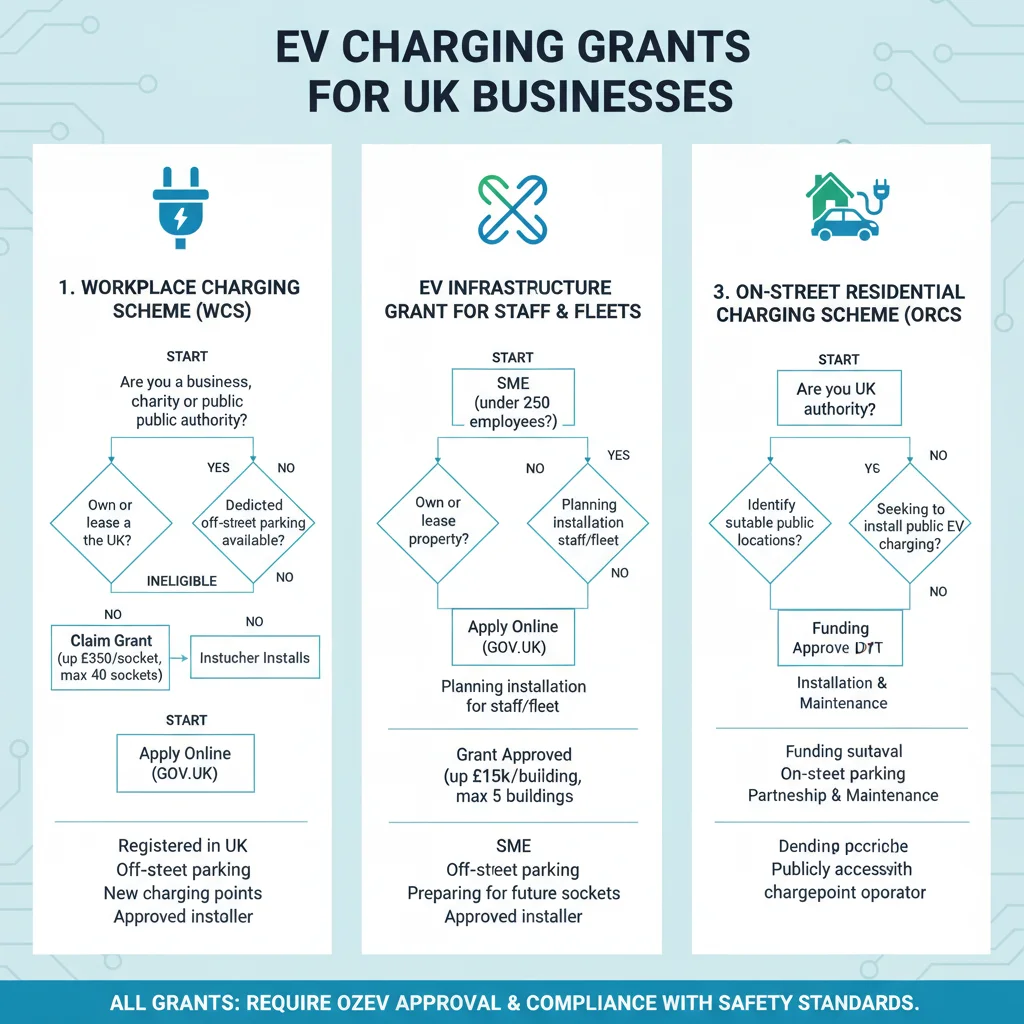
Strategic Steps to Maximize Your Grant Success
Applying for grants can be a competitive process. To maximize your chances of securing 2026 EV charging grants, consider the following strategic steps:
1. Research Extensively and Early
Start your research well in advance of application deadlines. Identify all potential federal, state, local, and utility programs. Pay close attention to eligibility requirements, funding priorities, and application timelines. Create a spreadsheet to track different opportunities and their specific details.
2. Understand the Grantor’s Objectives
Every grant program has specific goals. Does it aim to increase public access, support underserved communities, promote specific technologies, or reduce emissions? Tailor your proposal to clearly demonstrate how your project directly contributes to these objectives. Use the language and terminology found in the grant solicitation.
3. Develop a Robust Project Plan
A strong project plan is the backbone of a successful grant application. It should include:
- Clear Objectives: What do you aim to achieve with the charging stations?
- Detailed Scope: What exactly will be installed, where, and by whom?
- Realistic Budget: Provide a comprehensive breakdown of all costs, including equipment, installation, permitting, and ongoing maintenance. Justify each expense.
- Feasible Timeline: Outline key milestones and a realistic schedule for project completion.
- Measurable Outcomes: How will you measure the success of your project (e.g., number of charging sessions, kWh dispensed, reduction in emissions)?
4. Highlight Community and Economic Benefits
Grants are often awarded to projects that offer broader societal benefits. Emphasize how your EV charging infrastructure will:
- Create local jobs (e.g., for electricians, installers).
- Support local businesses by attracting EV drivers.
- Improve air quality and public health.
- Provide equitable access to charging, especially in underserved areas.
- Contribute to the region’s overall sustainability goals.
5. Showcase Financial Viability and Sustainability
Grantors want to ensure their investment is sustainable. Demonstrate that your business has the financial capacity to complete the project and maintain the charging stations long-term. If applicable, explain how the charging stations might generate revenue or offset costs, even after the grant period ends. Clearly outline your matching funds contribution.
6. Seek Expert Assistance
Navigating grant applications can be complex. Consider consulting with grant writing professionals, energy consultants, or EV charging solution providers who have experience with grant applications. They can help identify suitable programs, refine your proposal, and ensure all requirements are met. Many EV charging companies also offer grant assistance as part of their services.
7. Network and Build Partnerships
Collaborating with other businesses, local governments, or non-profit organizations can strengthen your application. Partnerships can demonstrate broader community support, leverage additional resources, and address larger infrastructure needs. For example, a business might partner with a local government to install chargers in a public parking lot, or with another business to create a charging hub.
Common Pitfalls to Avoid
While the prospect of securing EV charging grants is exciting, businesses should be aware of common pitfalls that can lead to application rejection:
- Late Submissions: Grant deadlines are strict. Always submit well in advance to avoid technical issues.
- Incomplete Applications: Missing documentation or unanswered questions can immediately disqualify an application.
- Not Adhering to Guidelines: Failing to follow specific formatting, word count, or content requirements.
- Lack of Clarity: Vague project descriptions, unclear budgets, or poorly defined objectives.
- Misalignment with Grant Goals: Proposing a project that does not directly address the grantor’s stated priorities.
- Unrealistic Budget or Timeline: Proposals with inflated costs or unachievable schedules raise red flags.
- Insufficient Matching Funds: Not meeting the required cost-share percentage.
- Ignoring Long-Term Sustainability: Failing to address how the charging stations will be maintained and operated after installation.
The Future of EV Charging and Business Opportunities Beyond 2026
The landscape of EV charging infrastructure is dynamic and will continue to evolve rapidly beyond 2026. Businesses that proactively engage with this transition, leveraging available EV charging grants, will be well-positioned for future success. The benefits extend beyond immediate financial relief, encompassing enhanced brand reputation, increased customer loyalty, and a stronger competitive edge.
As EV technology advances, we can expect to see greater integration with smart grids, bidirectional charging (vehicle-to-grid capabilities), and more sophisticated payment and management systems. Businesses that invest in future-proof charging solutions today will be better equipped to adapt to these changes and capitalize on emerging opportunities. Furthermore, the data collected from charging stations can provide valuable insights into customer behavior and energy consumption, informing future business strategies.
The push for decarbonization and sustainable transportation is a long-term global trend. By participating in the expansion of EV charging infrastructure, businesses are not just responding to a market demand; they are actively contributing to a cleaner, more sustainable future. This commitment can resonate deeply with employees, customers, and investors, solidifying a company’s position as a responsible and forward-thinking entity.

Case Studies and Success Stories (Hypothetical Examples)
To illustrate the potential impact of EV charging grants, let’s consider a few hypothetical examples:
Case Study 1: The Suburban Retail Center
A medium-sized retail center in a growing suburban area identified an increasing number of EV drivers among its patrons. The center applied for a state-level EV infrastructure grant, which prioritized installations in commercial zones with high traffic. They secured 70% funding for four Level 2 chargers and two DC fast chargers. The grant required public accessibility and data reporting. Within six months of installation, the center reported a 15% increase in foot traffic from EV owners, a significant boost in customer satisfaction scores, and a new revenue stream from charging fees. The positive publicity also enhanced their brand as a community-focused, sustainable business.
Case Study 2: The Rural Hotel Chain
A regional hotel chain with properties in several rural towns recognized the need to cater to long-distance EV travelers. They applied for a federal grant specifically designed to expand charging infrastructure in underserved rural corridors. Through a partnership with a local utility, they secured 80% funding for DC fast chargers at three of their hotel locations. This initiative not only attracted new guests but also positioned the hotel chain as a vital link in the regional EV charging network, contributing to local tourism and economic development.
Case Study 3: The Urban Fleet Operator
A delivery company operating a growing fleet of electric vans in a major city sought to install a dedicated charging depot. They leveraged a combination of a city grant focused on fleet electrification and a utility rebate program. The city grant covered 50% of the equipment costs for 10 Level 2 chargers, while the utility rebate covered a significant portion of the electrical service upgrade. This enabled the company to efficiently charge its fleet overnight, reducing operational costs and supporting their ambitious sustainability targets without a prohibitive upfront investment.
Conclusion: Seizing the Opportunity with 2026 EV Charging Grants
The year 2026 presents an unparalleled opportunity for businesses to invest in EV charging infrastructure with significant financial support from various grant programs. By understanding the evolving landscape of EV charging grants, meticulously preparing applications, and adopting a strategic approach, businesses can unlock substantial funding to deploy crucial charging solutions. This investment not only addresses the immediate demand from a growing EV market but also positions businesses as leaders in sustainability, enhances operational efficiency, and creates new avenues for growth and customer engagement.
The path to securing these grants requires diligence, foresight, and a clear understanding of both your business needs and the grantor’s objectives. Begin your research early, build strong partnerships, and don’t hesitate to seek expert guidance. The electric revolution is here, and with the right strategy, your business can play a vital role in shaping its future, powered by the support of 2026 EV charging infrastructure grants. Embrace this opportunity to drive innovation, sustainability, and prosperity for your organization and the communities you serve.