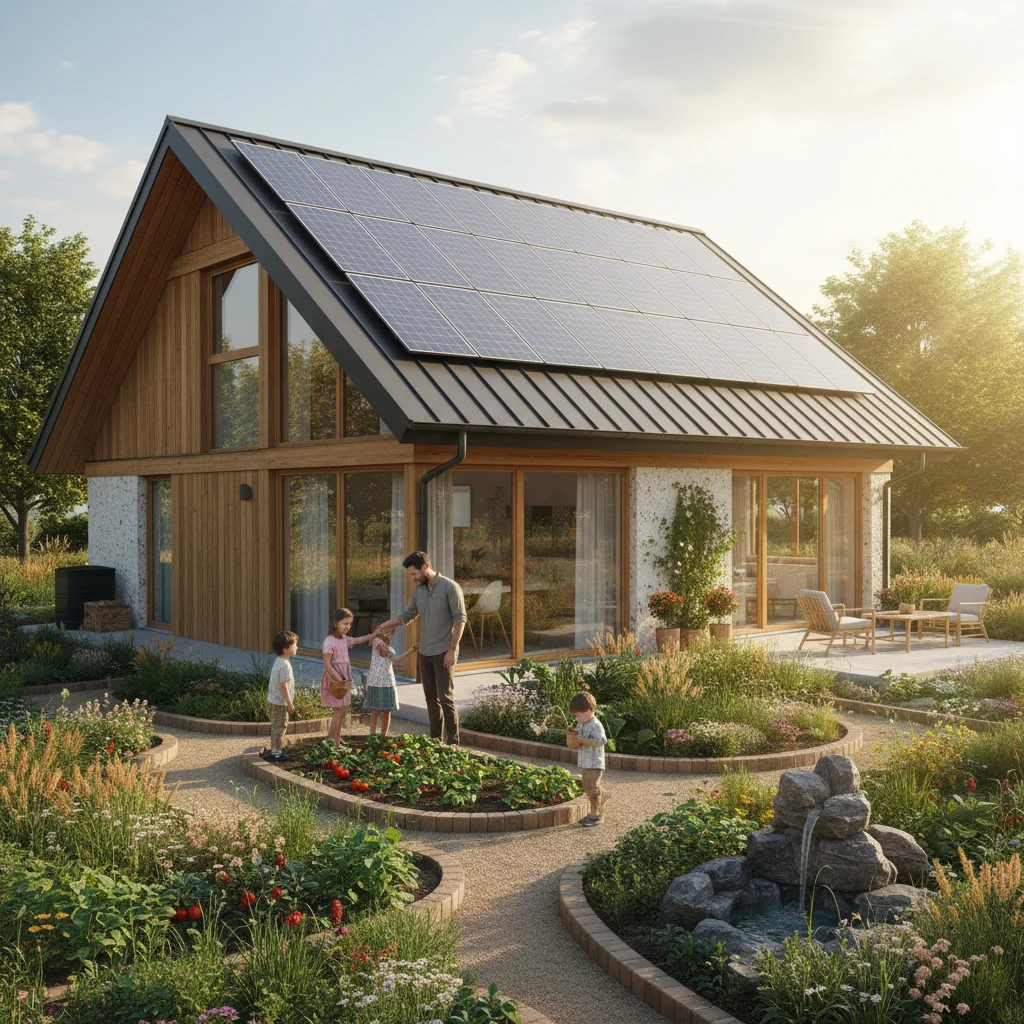
How to Reduce Your Home’s Carbon Footprint by 25% in 6 Months: Actionable Steps for 2026
Anúncios
In an era where environmental consciousness is paramount, taking tangible steps to reduce home carbon footprint is no longer an option but a necessity. The good news? You don’t need to overhaul your entire lifestyle overnight. With a strategic approach and consistent effort, it’s entirely possible to significantly reduce your home’s carbon footprint by a remarkable 25% within just six months. This comprehensive guide will walk you through actionable steps, focusing on practical changes and smart investments you can make in 2026 to achieve this ambitious yet attainable goal.
Our homes are significant contributors to global greenhouse gas emissions, primarily through energy consumption for heating, cooling, lighting, and appliances. By understanding where these emissions originate and implementing targeted solutions, we can make a profound difference. This article aims to empower you with the knowledge and tools to transform your living space into a more sustainable and energy-efficient environment, contributing positively to the fight against climate change while potentially saving you money on utility bills.
Anúncios
Understanding Your Current Carbon Footprint: The First Step
Before you can effectively reduce home carbon footprint, you need to know what it looks like currently. Many online calculators can help you estimate your household’s carbon emissions based on your energy usage, travel habits, waste production, and diet. Websites like the EPA’s Household Carbon Footprint Calculator or Carbon Footprint Ltd. offer excellent tools for this initial assessment. Be honest with your inputs to get the most accurate baseline.
Why Measure?
- Baseline Establishment: Provides a starting point to track your progress.
- Identifies Hotspots: Pinpoints the biggest areas of emissions in your home, allowing you to prioritize efforts.
- Motivates Action: Seeing the numbers can be a powerful motivator for change.
Once you have a clear picture, you can set realistic goals and tailor the strategies outlined below to your specific needs. Remember, the 25% reduction target is ambitious, but achievable with dedication to reducing your home carbon footprint.
Month 1: Energy Efficiency Quick Wins and Behavioral Changes
The initial month focuses on low-cost or no-cost changes that yield immediate results. These are often behavioral adjustments and minor upgrades that don’t require significant investment but collectively make a big impact on your home carbon footprint.
Lighting Upgrades: Switch to LED
If you haven’t already, replacing old incandescent bulbs with LED (Light Emitting Diode) bulbs is one of the easiest and most effective ways to reduce energy consumption. LEDs use up to 90% less energy and last significantly longer, translating to both environmental benefits and cost savings.
- Action: Identify all incandescent and CFL bulbs in your home and replace them with energy-efficient LEDs.
- Impact: Reduces electricity usage for lighting by a substantial margin.
Unplug ‘Vampire’ Electronics
Many electronic devices consume power even when turned off or in standby mode. This phenomenon, known as ‘vampire drain’ or ‘phantom load,’ can account for a surprising percentage of your electricity bill and contribute to your home carbon footprint.
- Action: Unplug chargers, TVs, computers, and other electronics when not in use. Consider using smart power strips that cut power to devices when they’re off.
- Impact: Eliminates wasted energy, reducing your overall electricity consumption.
Optimize Heating and Cooling
Heating and cooling systems are typically the largest energy consumers in a household. Small adjustments can lead to significant savings.
- Action: Set your thermostat a few degrees lower in winter and a few degrees higher in summer. Use programmable or smart thermostats to automate temperature adjustments when you’re away or asleep.
- Action: Ensure vents are not blocked by furniture or curtains. Clean or replace furnace filters regularly (monthly during peak use seasons) to maintain efficiency.
- Impact: Reduces the energy demand from your HVAC system, directly impacting your home carbon footprint.
Laundry and Dishwasher Habits
These appliances use a lot of energy, especially for heating water.
- Action: Wash clothes in cold water whenever possible. Modern detergents are effective in cold water.
- Action: Run your dishwasher only when it’s full. Use the air-dry setting if available instead of heated drying.
- Impact: Decreases hot water usage and electricity for drying, leading to a lower home carbon footprint.
Month 2: Sealing the Envelope and Water Wisdom
The second month focuses on improving your home’s thermal envelope and optimizing water usage, both critical for reducing your home carbon footprint.
Seal Air Leaks
Drafts around windows, doors, and electrical outlets can lead to significant heat loss in winter and heat gain in summer, forcing your HVAC system to work harder.
- Action: Use caulk to seal gaps around window frames and door frames. Apply weatherstripping to doors and operable windows.
- Action: Check for leaks around plumbing penetrations, electrical outlets, and attic hatches.
- Impact: Improves insulation, reduces energy waste, and makes your home more comfortable, directly helping to reduce home carbon footprint.
Insulation Check-Up
Proper insulation in your attic, walls, and floors is crucial for maintaining stable indoor temperatures.
- Action: Assess your attic insulation. If it’s below recommended levels (often R-38 to R-60, depending on your climate zone), consider adding more.
- Impact: Dramatically reduces heat transfer, leading to lower heating and cooling demands.
Water Heater Efficiency
Heating water accounts for a substantial portion of residential energy use.
- Action: Lower your water heater’s thermostat to 120°F (49°C). This is usually sufficient for most household needs and prevents scalding.
- Action: Insulate your water heater tank and the first six feet of hot and cold water pipes connected to it.
- Impact: Reduces the energy required to heat and maintain water temperature, thus reducing your home carbon footprint.
Low-Flow Fixtures
Conserving water also conserves the energy used to pump, heat, and treat it.
- Action: Install low-flow showerheads and aerators on faucets. These can significantly reduce water consumption without sacrificing pressure.
- Action: Fix any leaky faucets or toilets immediately. A small drip can waste thousands of gallons of water annually.
- Impact: Saves water and the energy associated with it, contributing to a smaller home carbon footprint.
Month 3: Appliance Upgrades and Smart Home Integration
This month involves making more significant investments in energy-efficient appliances and integrating smart home technology to further optimize energy use and reduce home carbon footprint.
Upgrade to ENERGY STAR Appliances
If any of your major appliances (refrigerator, dishwasher, washing machine, dryer) are old and inefficient, replacing them with ENERGY STAR certified models can lead to substantial energy savings.
- Action: Prioritize replacing the oldest or most frequently used appliances first. Check for local rebates or incentives for ENERGY STAR purchases.
- Impact: Newer models are designed to use significantly less energy and water, directly lowering your utility bills and home carbon footprint.
Smart Thermostats and Energy Monitors
Smart home technology offers granular control and insights into your energy consumption.

- Action: Install a smart thermostat that learns your habits and adjusts temperatures accordingly, or allows remote control via a smartphone app.
- Action: Consider a home energy monitor that provides real-time data on your electricity usage, helping you identify energy hogs.
- Impact: Optimizes heating and cooling schedules, provides data for informed decisions, and contributes to a lower home carbon footprint.
Smart Lighting Systems
Beyond just LED bulbs, smart lighting systems offer even greater control and efficiency.
- Action: Install smart bulbs or smart switches that allow you to control lighting remotely, set schedules, or use motion sensors to turn lights off when rooms are empty.
- Impact: Minimizes unnecessary lighting use, further reducing electricity consumption and your home carbon footprint.
Month 4: Renewable Energy Exploration and Green Landscaping
Month four delves into more impactful, potentially larger investments, and leveraging nature to your advantage to reduce home carbon footprint.
Consider Solar Panels
Installing solar panels is one of the most significant steps you can take to reduce your home carbon footprint, generating clean, renewable energy directly on your property.
- Action: Research local solar incentives, tax credits, and financing options. Get multiple quotes from reputable installers. Even if a full installation isn’t feasible, consider community solar programs or purchasing renewable energy credits.
- Impact: Significantly offsets or eliminates your reliance on grid electricity, drastically reducing your home carbon footprint.
Explore Green Energy Providers
If solar panels aren’t an immediate option, check if your utility company offers a green energy program where you can opt to purchase electricity generated from renewable sources.
- Action: Contact your electricity provider to inquire about renewable energy options.
- Impact: Supports the development of renewable energy infrastructure and reduces the carbon intensity of your electricity consumption.
Strategic Landscaping
Your garden can play a role in your home’s energy efficiency.
- Action: Plant deciduous trees on the south and west sides of your home to provide shade in summer and allow sunlight through in winter.
- Action: Use evergreen shrubs and trees as windbreaks on the north side of your home to reduce heat loss in colder months.
- Impact: Reduces the need for air conditioning and heating, naturally helping to reduce home carbon footprint.
Month 5: Waste Reduction and Sustainable Consumption
This month focuses on minimizing waste and making conscious purchasing decisions, extending your efforts beyond energy consumption to a holistic approach to reduce home carbon footprint.
Embrace the 3 R’s: Reduce, Reuse, Recycle
Waste management is a critical component of your carbon footprint. Landfills produce methane, a potent greenhouse gas.

- Reduce: Buy less, especially single-use items and heavily packaged goods. Opt for durable, reusable products.
- Reuse: Find new purposes for old items. Donate or sell items you no longer need instead of throwing them away.
- Recycle: Understand your local recycling guidelines and diligently separate recyclables.
- Impact: Reduces landfill waste, conserves resources, and lowers the energy required for producing new goods, all contributing to a smaller home carbon footprint.
Composting Food Scraps
Food waste in landfills is a major source of methane emissions.
- Action: Start a compost bin for fruit and vegetable scraps, coffee grounds, and other organic waste. Use the compost to enrich your garden soil.
- Impact: Diverts organic waste from landfills, reducing methane emissions, and creates nutrient-rich soil.
Conscious Consumption
Every purchase has an environmental footprint.
- Action: Choose products with minimal packaging, made from recycled or sustainably sourced materials.
- Action: Support local businesses and farmers to reduce transportation emissions.
- Action: Opt for quality, durable items over cheaper, disposable alternatives.
- Impact: Reduces the embedded carbon in the products you consume and supports sustainable industries, helping to reduce home carbon footprint.
Month 6: Continuous Improvement and Community Engagement
The final month is about solidifying your changes, re-evaluating your progress, and looking for ways to extend your impact beyond your own home to further reduce home carbon footprint.
Re-evaluate Your Carbon Footprint
After six months of dedicated effort, it’s time to measure your progress.
- Action: Use the same carbon footprint calculator you used in Month 1 to assess your new emissions. Compare it to your baseline.
- Impact: Quantifies your success in reducing your home carbon footprint and highlights areas for further improvement.
Educate and Inspire Others
Your journey can be a powerful example for friends, family, and neighbors.
- Action: Share your experiences, tips, and the positive changes you’ve observed (e.g., lower utility bills, increased comfort).
- Action: Encourage others to take similar steps to reduce their home carbon footprint.
- Impact: Multiplies your positive environmental impact by fostering a wider community of sustainable living.
Advocate for Policy Change
Individual actions are crucial, but systemic change is also needed.
- Action: Support policies and initiatives that promote renewable energy, energy efficiency, and sustainable practices at local, state, and national levels.
- Impact: Contributes to broader societal shifts towards a low-carbon future.
Long-Term Planning
Sustainability is an ongoing journey. Look for future opportunities to reduce home carbon footprint.
- Action: Consider investing in an electric vehicle (EV) or electric bicycles.
- Action: Explore options for geothermal heating and cooling if suitable for your region.
- Action: Research and implement rainwater harvesting systems for irrigation.
- Impact: Continues to push the boundaries of your environmental impact, ensuring a truly sustainable lifestyle.
Beyond the 6 Months: Sustaining Your Efforts
Reducing your home carbon footprint by 25% in six months is a fantastic achievement, but the journey doesn’t end there. Sustainability is a continuous process of learning, adapting, and improving. Regularly review your energy consumption, stay informed about new eco-friendly technologies, and always look for ways to further minimize your environmental impact.
Regular Maintenance is Key
Even after implementing upgrades, consistent maintenance ensures they continue to operate efficiently. This includes:
- HVAC Systems: Annual professional tune-ups keep your heating and cooling systems running optimally. Clean or replace filters every 1-3 months.
- Appliances: Clean refrigerator coils, descale dishwashers and washing machines, and ensure seals on doors are intact.
- Insulation and Sealing: Periodically check for new drafts or cracks that might have developed over time, and reapply caulk or weatherstripping as needed.
These routine checks not only prolong the life of your investments but also prevent energy waste, ensuring your efforts to reduce home carbon footprint remain effective.
Monitor Your Progress
Continue to track your utility bills and, if you have a smart meter or energy monitor, review your energy consumption data regularly. Seeing the numbers decline or remain consistently low can be incredibly motivating and help you identify any areas where consumption might be creeping up again. This vigilance is crucial to maintaining a reduced home carbon footprint.
Embrace a Zero-Waste Mindset
While we covered the 3 R’s, pushing towards a zero-waste lifestyle can have an even greater impact. This involves consciously minimizing what you bring into your home and maximizing the lifespan of everything you own. Consider:
- Reusable Alternatives: Swap disposable items for reusable ones (e.g., cloth napkins, reusable coffee cups, produce bags).
- Bulk Buying: Purchase staples in bulk to reduce packaging.
- DIY Solutions: Make your own cleaning products or personal care items to avoid plastic containers and harsh chemicals.
- Repair, Don’t Replace: Learn basic repair skills or find local repair shops for electronics, clothing, and household items.
Every choice to reduce waste directly translates to a smaller home carbon footprint by cutting down on manufacturing, transportation, and disposal emissions.
Sustainable Food Choices
The food we eat has a significant carbon footprint. Incorporating more sustainable food habits can further reduce your overall impact:
- Plant-Based Diet: Gradually incorporating more plant-based meals can significantly lower your dietary carbon footprint. Meat and dairy production are major contributors to greenhouse gas emissions.
- Local and Seasonal: Prioritize purchasing food that is grown locally and is in season. This reduces transportation emissions and supports local economies.
- Grow Your Own: Even a small herb garden or a few vegetable plants can reduce your reliance on commercially produced food and its associated carbon footprint.
- Reduce Food Waste: Plan meals, store food properly, and utilize leftovers to minimize what ends up in the trash.
These dietary shifts, combined with your home-based efforts, provide a holistic approach to reducing your home carbon footprint.
Invest in Green Technology as it Evolves
The field of sustainable technology is constantly advancing. Stay informed about new innovations that could further enhance your home’s energy efficiency and reduce its environmental impact. This could include:
- Battery Storage: If you have solar panels, consider adding battery storage to maximize self-consumption of renewable energy.
- Heat Pumps: These highly efficient systems can provide both heating and cooling, often more efficiently than traditional furnaces and air conditioners.
- Smart Appliances: As smart appliances become more sophisticated, they offer even greater opportunities for optimization and energy savings.
Being open to adopting new green technologies ensures that your efforts to reduce home carbon footprint remain at the forefront of sustainability.
Conclusion: A Greener Future, One Home at a Time
Achieving a 25% reduction in your home’s carbon footprint within six months is an ambitious yet entirely attainable goal for 2026. By systematically implementing the actionable steps outlined in this guide – from quick energy-saving wins and smart home upgrades to waste reduction and renewable energy exploration – you can make a profound difference. This journey is not just about environmental responsibility; it’s also about creating a more efficient, comfortable, and potentially more affordable living space.
Remember, every small step contributes to a larger impact. Your commitment to reduce home carbon footprint not only benefits the planet but also sets a powerful example for your community. Start today, track your progress, and be proud of the tangible contribution you are making towards a more sustainable and resilient future. The power to create change begins at home.