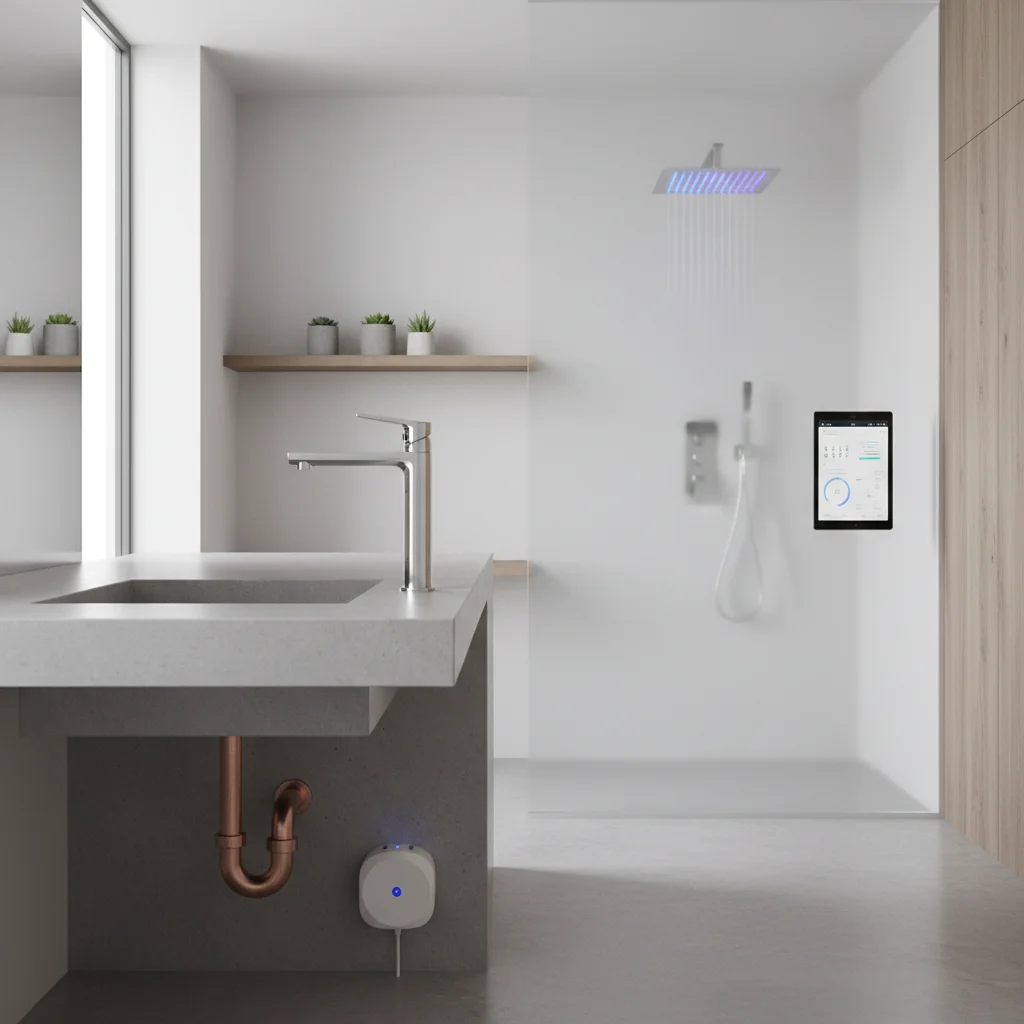
In an era where environmental consciousness is paramount and resource scarcity is a growing concern, the imperative for water conservation has never been more urgent. While large-scale industrial and agricultural efforts often dominate headlines, the collective impact of individual households cannot be overstated. Every drop saved at home contributes to a larger global effort, preserving one of our most precious natural resources. The good news is that advancements in smart home technology are making smart water conservation easier, more efficient, and more accessible than ever before.
Anúncios
This comprehensive guide delves into the world of smart water conservation, focusing on five innovative devices that are poised to revolutionize how we manage water consumption in our homes. Our goal is to demonstrate how these practical solutions can lead to a remarkable 20% reduction in household water usage by 2026, translating into significant financial savings and a profound positive impact on our planet. We’ll explore the technology behind these devices, their practical benefits, and how they contribute to a sustainable future.
Anúncios
The Urgency of Water Conservation: Why Every Drop Counts
Before we dive into the technological marvels, it’s crucial to understand the ‘why’ behind smart water conservation. Fresh water is a finite resource, and its availability is increasingly threatened by climate change, population growth, and pollution. Many regions around the world are already facing severe water stress, and these challenges are projected to intensify in the coming decades. Even in areas with seemingly abundant water, the energy required to treat, pump, and heat water contributes to carbon emissions, making efficient water use a climate action in itself.
Beyond the environmental imperative, there’s a compelling financial argument for smart water conservation. Water bills, often combined with sewage and heating costs, represent a significant household expense. Reducing water consumption directly translates to lower utility bills, freeing up funds for other priorities. Moreover, proactive water management can prevent costly damages from leaks, which can go unnoticed for extended periods, leading to extensive repairs and even mold growth.
By embracing smart water conservation technologies, homeowners are not just saving money; they are becoming active participants in a global movement towards sustainability. They are setting an example, fostering a culture of responsibility, and ensuring a more secure future for generations to come. The 20% reduction target by 2026 is ambitious yet achievable, especially with the strategic implementation of the smart devices we’re about to explore.
Setting the Stage: The Promise of a 20% Reduction by 2026
Achieving a 20% reduction in household water consumption by 2026 might sound like a stretch, but it’s a realistic goal when considering the combined power of smart technologies and conscious habits. This target isn’t just about installing devices; it’s about shifting paradigms. These smart tools provide real-time data, automate conservation efforts, and empower users with insights they never had before. Imagine knowing exactly how much water your shower uses, or being alerted instantly to a hidden leak. This level of awareness, coupled with automated efficiency, is what makes the 20% goal attainable.
The timeline to 2026 allows for gradual adoption and integration of these technologies. It accounts for initial investment, learning curves, and the cumulative effect of small, consistent changes. By focusing on areas of high water usage – such as irrigation, showers, toilets, and potential leaks – homeowners can strategically deploy smart devices to maximize their impact. This isn’t about deprivation; it’s about optimization and intelligent resource management.
The journey to 2026 is also a journey of education and empowerment. As more households adopt these technologies, the collective impact grows exponentially. This guide aims to be a catalyst, providing the knowledge and motivation needed to embark on this journey, demonstrating that smart water conservation is not just a trend, but a fundamental shift towards a more sustainable and economically sound future.
1. Smart Leak Detectors and Automatic Shut-off Valves: Your First Line of Defense
One of the most insidious forms of water waste comes from undetected leaks. A dripping faucet might seem minor, but it can waste hundreds of gallons per year. A burst pipe or a faulty appliance, however, can lead to thousands of gallons of waste and catastrophic property damage. This is where smart leak detectors and automatic shut-off valves become indispensable tools for smart water conservation.
How They Work:
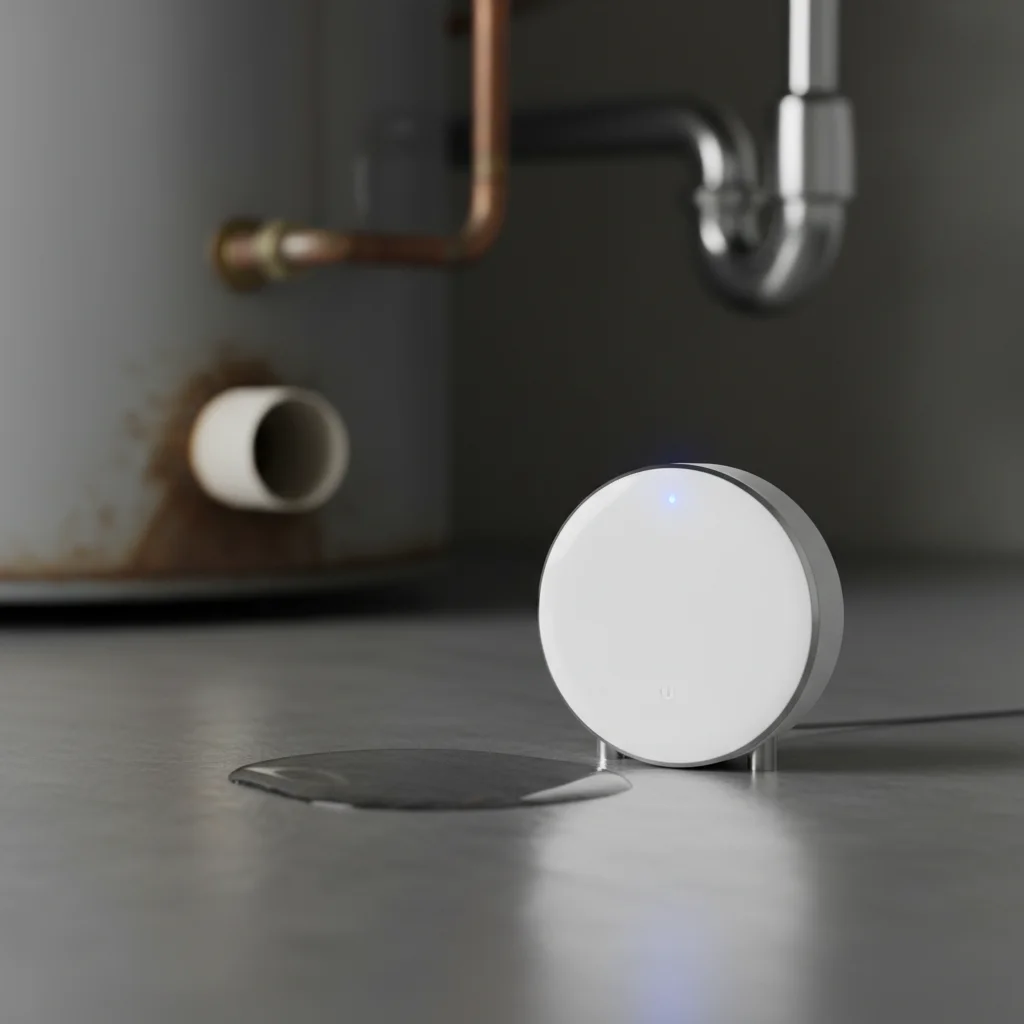
Smart leak detectors are small, battery-powered sensors that you can place in high-risk areas like under sinks, near water heaters, washing machines, and toilets. They use advanced technology, often involving electrical conductivity, to detect even minute amounts of water. When water is detected, the sensor sends an immediate alert to your smartphone via Wi-Fi or Bluetooth, allowing you to address the issue before it escalates.
Taking this a step further, automatic shut-off valves integrate with these leak detectors (or have their own built-in sensors) and are installed directly on your main water line. Upon detecting a leak, these valves don’t just alert you; they automatically shut off the water supply to your entire home. This prevents further damage and massive water loss, turning a potential disaster into a minor inconvenience.
Practical Benefits and Financial Impact:
- Preventing Catastrophic Damage: This is arguably their most significant benefit. A single burst pipe can cause tens of thousands of dollars in repairs, not to mention the emotional toll. Automatic shut-off valves can prevent this entirely.
- Eliminating Hidden Leaks: Many leaks go unnoticed for weeks or months, slowly increasing your water bill. Smart detectors catch these early, saving you money on wasted water.
- Peace of Mind: Knowing your home is protected from water damage, especially when you’re away, offers invaluable peace of mind.
- Insurance Savings: Some insurance providers offer discounts for homes equipped with smart leak detection systems.
- Water Savings: By addressing leaks immediately, you prevent the continuous waste of water, contributing significantly to your 20% reduction goal.
The initial investment in a smart leak detection system and an automatic shut-off valve can range from a few hundred to over a thousand dollars, depending on the complexity and features. However, the potential savings from preventing a single major leak, let alone the cumulative savings from stopping smaller leaks, make this one of the most cost-effective smart water conservation technologies.
2. Smart Irrigation Systems: Watering Smarter, Not Harder
Outdoor watering accounts for a substantial portion of household water consumption, especially in warmer climates. Traditional irrigation systems often operate on rigid schedules, watering regardless of actual need, leading to significant waste. Smart irrigation systems are designed to eliminate this inefficiency, making them a cornerstone of effective smart water conservation.
How They Work:
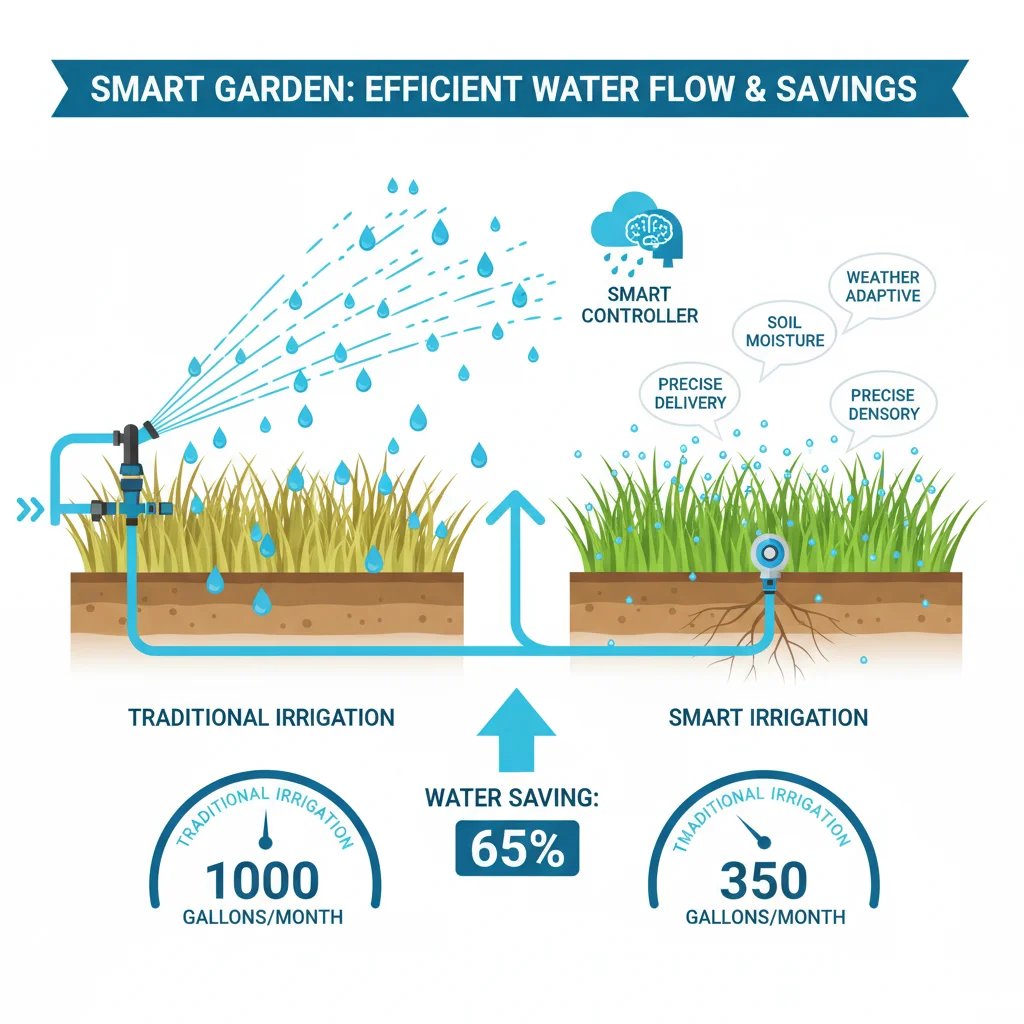
Smart irrigation controllers connect to local weather forecasts and soil moisture sensors. Instead of watering on a fixed timer, they adjust their schedules based on real-time data. If rain is expected, they’ll skip a watering cycle. If the soil is already moist enough, they won’t water. Some advanced systems can even factor in plant type, soil type, slope, and sun exposure to create highly customized and efficient watering plans.
Practical Benefits and Financial Impact:
- Significant Water Savings: By watering only when necessary and in optimal amounts, smart irrigation systems can reduce outdoor water use by 30-50% or even more. This is a huge contributor to the 20% overall household reduction target.
- Healthier Landscape: Over-watering can be as detrimental as under-watering. Smart systems ensure your plants receive the right amount of water, leading to healthier, more resilient landscapes.
- Convenience and Automation: Once set up, the system largely manages itself, freeing you from manual adjustments based on weather changes.
- Rebate Eligibility: Many water utilities offer rebates or incentives for installing smart irrigation systems, further reducing the upfront cost.
- Lower Water Bills: The direct reduction in outdoor water consumption translates to noticeable savings on your utility bills, quickly offsetting the initial investment.
The cost of a smart irrigation controller can range from $100 to $400, with additional costs for professional installation or advanced sensors. However, given the substantial water savings, the payback period can be surprisingly short, making this a financially sound investment for smart water conservation.
3. Smart Shower Heads and Water Monitors: Mindful Consumption in the Bathroom
Showers are another major consumer of hot water in the home. While we all enjoy a refreshing shower, it’s easy to lose track of time and use more water than necessary. Smart shower heads and whole-home water monitors bring awareness and control to this daily routine, promoting smart water conservation.
How They Work:
Smart Shower Heads: These devices often incorporate flow meters and sometimes even temperature sensors. They can provide real-time feedback on water usage during your shower, often through visual cues (like changing LED colors) or audio alerts. Some can even temporarily pause the flow once the water is hot, or gently reduce flow after a set duration, encouraging shorter showers without feeling deprived.
Whole-Home Water Monitors: These devices are installed on your main water line and provide a comprehensive overview of your entire household’s water consumption. They track water use by appliance, identify unusual usage patterns (which could indicate a leak), and offer detailed reports and insights through a smartphone app. This holistic view empowers you to understand where water is being used most and identify areas for improvement.
Practical Benefits and Financial Impact:
- Reduced Shower Water Usage: By providing real-time feedback, smart shower heads can encourage users to shorten shower times or reduce flow, leading to significant savings in both water and the energy used to heat it.
- Increased Awareness: Whole-home monitors demystify your water bill, showing you exactly where your water goes. This awareness is a powerful driver for behavioral change and smart water conservation.
- Early Leak Detection: Beyond dedicated leak detectors, whole-home monitors can spot subtle, continuous flows that might indicate a slow leak anywhere in your plumbing system.
- Detailed Reporting: Access to historical data helps you track progress towards your 20% reduction goal and identify peak usage times.
- Combined Savings: The savings from shorter showers (water + heating) and early leak detection across the entire home contribute substantially to both your environmental goals and your wallet.
Smart shower heads typically cost between $50 and $200, while whole-home water monitors can range from $200 to $800, plus installation. The return on investment comes from consistent daily savings on both water and energy, as well as the potential prevention of costly damage from undetected leaks.
4. Smart Faucets: Precision and Efficiency at Your Fingertips
Faucets are used countless times a day for tasks ranging from handwashing to filling pots. Traditional faucets often run continuously, wasting water unnecessarily. Smart faucets introduce precision and automation, making them an elegant solution for smart water conservation in the kitchen and bathroom.
How They Work:
Smart faucets come with a variety of features aimed at reducing waste. Many incorporate motion sensors, allowing for touchless operation. This means water only flows when your hands are present, eliminating the habit of leaving the tap running while scrubbing. Some models offer precise temperature control and metered dispensing, allowing you to pour an exact amount of water (e.g., 8 ounces) with a voice command or a touch, rather than guessing and potentially overfilling.
Advanced smart faucets can also track water usage, providing data on how much water is consumed for different tasks. Some even have integrated filtration systems, further enhancing their utility.
Practical Benefits and Financial Impact:
- Reduced Waste During Tasks: Touchless operation and metered dispensing prevent water from running unnecessarily, especially during tasks like washing hands, brushing teeth, or washing dishes.
- Hygiene: Touchless operation is also more hygienic, reducing the spread of germs.
- Convenience: Voice control and precise dispensing add a layer of convenience to daily routines.
- Water Savings: While individual savings per use might seem small, the cumulative effect of eliminating continuous flow over hundreds of uses per day adds up significantly, contributing to the overall 20% reduction goal.
- Energy Savings: For hot water tasks, using only the necessary amount of water also means less energy is expended on heating.
Smart faucets vary widely in price, from $150 for basic touchless models to over $600 for high-end versions with voice control and advanced features. Given their frequent use, the long-term water and energy savings can provide a solid return on investment, particularly in busy households.
5. Smart Toilets: Redefining Efficiency in the Bathroom
Toilets are by far the biggest water users in the average home, accounting for nearly 30% of residential indoor water consumption. Older, inefficient toilets can use significantly more water per flush than modern, low-flow models. Smart toilets take this efficiency to the next level, offering advanced features for smart water conservation.
How They Work:
While many “smart” toilets focus on luxury features like heated seats and bidet functions, their smart water conservation aspects are equally impressive. Many incorporate dual-flush mechanisms (for liquid or solid waste) that use significantly less water than older single-flush models. Some advanced smart toilets use pressure-assisted flushing or even vacuum-assist technology to achieve powerful flushes with minimal water (often less than 1 gallon per flush, compared to 3.5-5 gallons for older toilets).
Some truly smart models can even detect the type of waste and automatically select the appropriate flush volume, ensuring optimal water use without user intervention. Features like touchless flushing also prevent unnecessary contact and can be programmed for efficiency.
Practical Benefits and Financial Impact:
- Drastic Water Savings Per Flush: Upgrading from an old toilet to a smart, high-efficiency model can cut water usage per flush by 50-70%. Given the frequency of toilet use, this translates into enormous annual water savings.
- Reduced Water Bills: As the largest water consumer, reducing toilet water usage will have a profound and immediate impact on your water utility bills.
- Improved Hygiene: Many smart toilets offer bidet functions, which can reduce the need for toilet paper and provide a cleaner experience.
- Long-Term Sustainability: Investing in a water-efficient toilet is a long-term commitment to smart water conservation and environmental responsibility.
The cost of smart toilets can vary widely, from around $300 for basic high-efficiency models to several thousand dollars for luxury versions with all the bells and whistles. While the upfront cost can be higher than a standard toilet, the substantial and continuous savings on water bills ensure a strong financial return over the lifespan of the fixture. Many municipalities also offer rebates for upgrading to high-efficiency toilets, further sweetening the deal.
Integrating Smart Water Conservation into Your Home: A Holistic Approach
While each of these five smart devices offers significant benefits individually, their true power lies in their synergistic integration. A holistic approach to smart water conservation involves strategically deploying these technologies across your home to create a comprehensive, efficient ecosystem.
Starting Your Smart Water Journey:
- Assess Your Current Usage: Before implementing solutions, understand your baseline. Review old water bills, and consider a whole-home water monitor to get detailed insights.
- Prioritize High-Impact Areas: Identify where your household uses the most water. For many, this will be irrigation, toilets, and showers. Start with devices that address these areas first.
- Phased Implementation: You don’t need to install everything at once. Begin with one or two key devices, such as a smart leak detector or a smart irrigation system, and gradually expand your smart home ecosystem.
- Combine with Behavioral Changes: Smart devices are powerful tools, but they work best when combined with conscious habits. Shortening showers, turning off faucets, and only running full loads of laundry or dishwashers amplify the impact of technology.
- Regular Maintenance: Ensure your smart devices are properly maintained and calibrated. Check sensors, update software, and address any alerts promptly.
The Financial and Environmental Ripple Effect:
Achieving a 20% reduction in water consumption by 2026 isn’t just a number; it’s a tangible outcome with far-reaching benefits:
- Significant Financial Savings: Lower water, sewage, and heating bills mean more money in your pocket annually. Over the lifespan of these devices, the savings can easily surpass the initial investment.
- Increased Property Value: A home equipped with modern, water-efficient smart technology is more attractive to environmentally conscious buyers.
- Reduced Carbon Footprint: Less water consumption means less energy used for treatment, pumping, and heating, directly contributing to a lower carbon footprint.
- Enhanced Water Security: Every gallon saved contributes to the overall availability of fresh water resources for communities and ecosystems.
- Leading by Example: Your commitment to smart water conservation inspires others in your community, creating a ripple effect of positive change.
Beyond 2026: The Future of Smart Water Conservation
The journey towards smart water conservation doesn’t end in 2026; it’s an ongoing evolution. As technology advances, we can anticipate even more sophisticated and integrated solutions. Imagine AI-powered systems that predict optimal water usage based on personalized habits and environmental conditions, or entire neighborhoods seamlessly connected to optimize water distribution and recycling.
The current generation of smart devices is paving the way for a future where water waste is minimized, and sustainability is an inherent part of our daily lives. By embracing these innovations today, we are not just adapting to change; we are actively shaping a more resilient and resource-efficient world.
Conclusion: Empowering Your Home for a Sustainable Future
The goal of reducing household water consumption by 20% by 2026 is not merely aspirational; it is an achievable reality thanks to the proliferation of smart water conservation devices. From the vigilant protection offered by smart leak detectors and automatic shut-off valves to the precise efficiency of smart irrigation systems, shower heads, faucets, and toilets, these technologies empower homeowners to take control of their water usage like never before.
The practical solutions outlined in this guide offer a clear path to significant financial savings, a reduced environmental footprint, and enhanced peace of mind. Investing in smart water conservation is an investment in your home, your finances, and the health of our planet. As we move towards 2026 and beyond, let us embrace these innovations, cultivate mindful habits, and collectively contribute to a future where every drop truly counts.


