Sustainable Living: Common Mistakes and How to Avoid Them for True Impact
Anúncios
Embarking on a sustainable living journey often starts with the best intentions. You diligently sort your recycling, carry a reusable water bottle, and choose products with green labels, feeling confident you’re making a positive difference. Yet, the path to true environmental impact is filled with hidden pitfalls and confusing information. It’s easy to feel like you’re taking one step forward and two steps back, wondering if your efforts are moving the needle or just scratching the surface of a much larger problem.
This sense of uncertainty is often by design. We live in an era of refined marketing where ‘greenwashing’ is rampant, making it difficult to distinguish genuine eco-friendly products from those with a clever, but hollow, marketing campaign. Beyond misleading labels, there’s the overwhelming pressure to achieve a perfect, zero-waste lifestyle overnight. This all-or-nothing mindset can lead to burnout and paralysis, preventing many from starting at all. The complexity of global supply chains adds another layer, obscuring the true environmental cost of the items we buy, use, and discard.
Anúncios
So, how can you navigate this challenging landscape and ensure your actions lead to meaningful change? This guide is designed to cut through the noise. We will break down the most common mistakes well-meaning consumers make, from overlooking a product’s full lifecycle to ignoring the power of local action. By identifying these frequent errors, you’ll gain the clarity and confidence to avoid them. Get ready to learn practical, expert-backed strategies that replace eco-anxiety with empowered, impactful choices for a conscientious lifestyle.
The ‘Greenwashing’ Trap: Identifying Misleading Claims
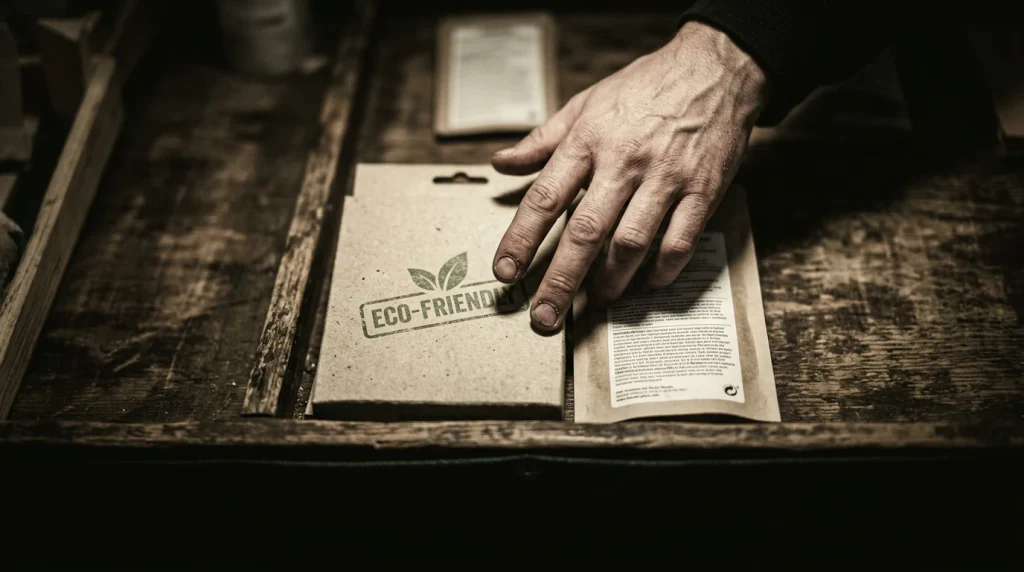
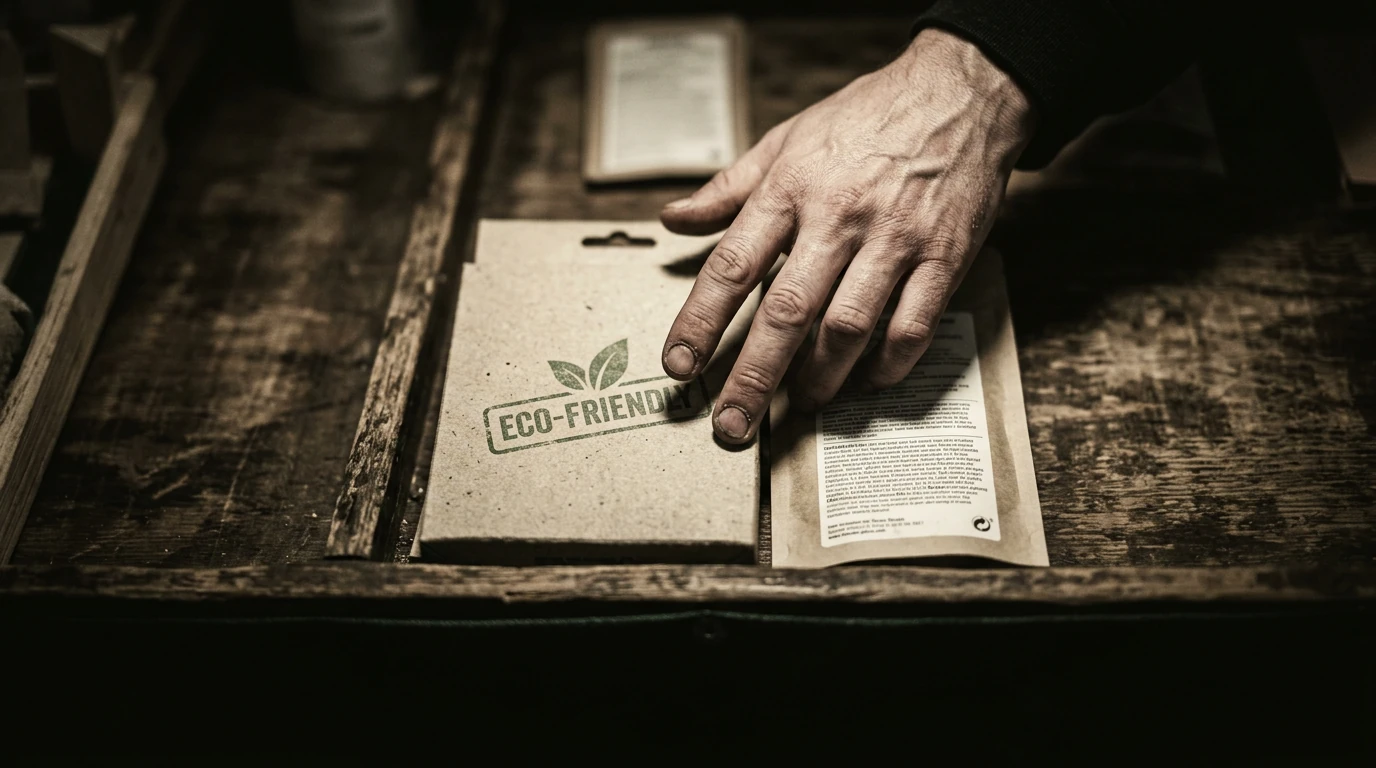
You’ve seen the earthy packaging and the confident “eco-friendly” labels. Many of us want to make better choices, but we often fall into a trap set by clever marketing: greenwashing. This is the practice where a company spends more time and money marketing itself as environmentally friendly than it does on minimizing its actual environmental impact. It’s a significant roadblock in any journey toward sustainable living.
Anúncios
The core issue is deception. A company might highlight one small green initiative—like using recycled paper in their offices—while ignoring massive pollution from their factories. The data suggests this is widespread. A report from the European Commission found that in a screening of websites for green claims, 42% of the claims were exaggerated, false, or deceptive. It’s a marketing magic trick. They want you to feel good about your purchase without doing the hard work of being sustainable.
How to Spot Greenwashing: A Consumer Checklist
Navigating these claims feels like trying to find a specific address in a new city without a map. But you can become a more discerning consumer. The underrated factor here is skepticism. Before you buy, run the product or company through a quick mental checklist.
- Vague vs. Specific: Look out for fuzzy words like “eco-friendly,” “green,” or “natural.” True sustainable brands provide details. Instead of “conscious,” they’ll say “made from 75% GOTS-certified organic cotton.”
- Hidden Trade-Offs: A company might advertise a product made from recycled plastic, but what about the carbon footprint of shipping it across the globe? A sustainable product considers the entire lifecycle.
- Lack of Proof: Can the company back up its claims? Search for third-party certifications like Fair Trade, B Corp, or Forest Stewardship Council (FSC). Without a reputable seal, a claim is just words.
- Irrelevant Claims: Some companies boast about being “CFC-free,” which is a classic greenwashing tactic since CFCs have been banned by law for decades. It’s like bragging about not using asbestos in new home construction.
Real-World Examples and Their Impact
Some of the world’s biggest brands have faced scrutiny for misleading consumers. For years, a major fast-fashion retailer heavily promoted its “conscious collection,” suggesting the clothing was sustainable. Yet, investigations by watchdog groups revealed that many items still contained high percentages of synthetic materials derived from fossil fuels. This kind of misinformation not only tricks well-meaning shoppers but also harms the genuinely ethical businesses trying to make a difference.
This is a big deal.
When we reward greenwashing with our money, we disincentivize real change. It creates a market where flashy claims are more profitable than authentic, often more expensive, sustainable practices. Becoming a conscious consumer means looking past the green-tinted marketing and demanding transparency, which ultimately pressures the entire industry to improve its standards.
Overlooking the Lifecycle: Beyond Initial Purchase Decisions
It’s easy to get drawn in by a product wrapped in recycled cardboard or stamped with a green leaf logo. We make the purchase feeling good about our choice, but this often ignores the vast, hidden journey of the item. True sustainable consumption requires looking at the entire story—from how a product is made to where it ultimately ends up. Focusing only on the point of sale is like reading just one chapter of a book and assuming you know the ending.
Many items marketed as “eco-friendly” have a surprisingly complex and resource-intensive backstory. The data suggests—though not conclusively—that a significant portion of a product’s environmental impact happens long before it ever reaches a store shelf. It’s a common mistake that trips up even the most well-intentioned consumers.
The Hidden Costs of ‘Sustainable’ Products
Consider the humble cotton tote bag, often handed out as a “green” alternative to plastic. A study by the UK’s Environment Agency found that an organic cotton bag must be used an astonishing 20,000 times to offset its overall production impact compared to a single-use plastic bag. Why? The water and energy required to grow the cotton and manufacture the bag are immense. This highlights a critical blind spot: the production phase.
This same logic applies to countless products. From bamboo toothbrushes shipped across oceans to electric vehicles whose batteries require extensive mining, the initial “green” credential doesn’t tell the whole story. What most people miss is that the true cost includes water usage, carbon emissions from manufacturing and transport, and the ethical treatment of workers. A deeper understanding of these factors is a core part of reimagining a conscientious lifestyle.
Embracing the 3 Rs (and Beyond): Reduce, Reuse, Recycle
The familiar trio of “Reduce, Reuse, Recycle” provides a powerful framework, but its effectiveness depends entirely on the order of operations. Reducing consumption is, by far, the most impactful action. Simply buying less negates the entire lifecycle impact of a potential purchase. It’s the one choice that requires zero manufacturing and creates zero waste.
Reusing and repairing items comes next. Before tossing something, ask yourself: can this be fixed? Can it serve another purpose? This mindset shift extends a product’s life, keeping it out of the waste stream and saving the resources needed to create a replacement. Recycling, while important, should always be the last resort. It’s an energy-intensive process—a safety net, not a primary goal.
Creative Ways to Reuse and Repurpose
Getting creative with reuse can be one of the most rewarding parts of a sustainable journey. It challenges you to see value where others see trash. A few simple ideas can get you started:
- Glass Jars: Cleaned pasta sauce or pickle jars are perfect for storing bulk foods, organizing small items like screws and buttons, or even as simple vases.
- Old Textiles: Worn-out t-shirts, towels, and bedsheets can be cut into cleaning rags, saving you from buying disposable paper towels. Old sweaters can be unraveled for yarn for new projects.
- Food Scraps: Vegetable peels, coffee grounds, and eggshells can be composted to create nutrient-rich soil for your garden or houseplants, closing the loop on your food waste.
Disposal Dilemmas: What Happens After You’re Done?
The final stage of a product’s life is where many sustainability efforts fall apart. Tossing an item into the recycling bin and hoping for the best—a practice known as “wishcycling”—can do more harm than good. Contaminating a batch of recycling with non-recyclable materials can result in the entire load being sent to a landfill. According to the Environmental Protection Agency, the U.S. recycling rate is currently just 32%, meaning the vast majority of our waste isn’t being repurposed.
Understanding local recycling rules is required. What’s accepted in one city may be trash in another. For items that can’t be recycled, like electronics or batteries, specialized e-waste programs are often the only responsible option. Exploring these community-level green initiatives is a notable step. The end of your relationship with a product is just the beginning of its final, and often most impactful, journey.
consistent, minor actions create a positive feedback loop.
— Dr. Marcus Thorne, Behavioral Scientist, University of Michigan
| Common Mistake | The Fix: How to Avoid It |
|---|---|
| Falling for ‘Greenwashing’ | Scrutinize vague claims like ‘eco-friendly’. Look for specific data and verifiable third-party certifications such as B Corp, Fair Trade, or FSC. |
| Ignoring the Full Product Lifecycle | Prioritize reducing consumption first. Before buying, consider the product’s origin, manufacturing, and end-of-life disposal, not just the point of sale. |
| The ‘All-or-Nothing’ Fallacy | Avoid burnout by starting with small, consistent habits. One or two manageable changes build momentum for larger shifts over time. Progress over perfection. |
| Overlooking Local Impact | Act locally by supporting farmers’ markets, community gardens, and independent businesses to reduce transport emissions and strengthen community resilience. |
| Chasing Fleeting Eco-Fads | Evaluate new ‘green’ products based on durability, reusability, and your local disposal capabilities, not just trendy marketing. Often, the most sustainable option is the one you already own. |
The All-or-Nothing Fallacy: Why Small Steps Matter
One of the biggest hurdles in sustainable living is the pressure to do everything perfectly right away. This all-or-nothing mindset often leads to “eco-anxiety,” a feeling of being so overwhelmed by the scale of the problem that you do nothing at all. The fear of not being “green enough” can cause total paralysis, preventing people from taking any action. It’s a trap.
Expecting to go fully zero-waste overnight is like trying to learn a new language by reading the entire dictionary in one sitting — it’s just not how our brains build lasting habits. The key is found in actionable steps for your eco-journey that feel manageable. Starting with one or two simple swaps, like bringing your own coffee cup or refusing plastic straws, builds momentum without causing burnout.
What most people miss is the powerful ripple effect of these small changes. Dr. Marcus Thorne, a behavioral scientist at the University of Michigan, notes that “consistent, minor actions create a positive feedback loop.” His research found that households making just three small sustainable shifts—like meatless Mondays or switching to LED bulbs—were 58% more likely to adopt larger changes later. These seemingly minor choices are the foundation for a more conscientious lifestyle over time.
Ultimately, the goal isn’t perfection; it’s participation. Millions of people making imperfect changes create a far greater impact than a handful of individuals living a flawless zero-waste life. Your journey is about progress, not purity.
Ignoring Your Local Impact: Thinking Globally, Acting Locally
The phrase “think globally, act locally” has become so common it almost loses its meaning. Many of us get overwhelmed by global climate reports and distant environmental disasters, leading to a sense of helplessness. The mistake is believing that our primary impact must be on these massive, international stages. What many people miss is that the most powerful changes often start right on your own street.
Focusing your energy locally doesn’t mean ignoring worldwide problems. Instead, it reframes the solution. It’s like trying to clean a whole house at once versus tidying one room at a time — the latter is far more manageable and builds momentum. Supporting local systems creates a resilient, self-sufficient community that is better insulated from global supply chain disruptions and contributes less to global emissions.
Benefits of Local Engagement for Sustainability
When you shift your focus to your immediate surroundings, the benefits become tangible almost instantly. Supporting a local farm, for instance, dramatically cuts down on “food miles,” the distance your food travels from farm to plate. A study by the U.S. Department of Agriculture found that locally sourced foods can travel as little as 56 miles, compared to the 1,500-mile average for conventionally sourced produce. This directly reduces the carbon footprint of your diet.
Directing your money toward local businesses strengthens your community’s economy. Research from the American Independent Business Alliance shows that for every $100 spent at a local business, roughly $68 stays within the local economy, compared to just $43 for non-local businesses. This financial support helps build a community that values ethical practices and can invest in its own green infrastructure. These are just some of the expert strategies for a conscientious lifestyle that create a ripple effect.
How to Find and Support Local Green Initiatives
Finding ways to get involved is often easier than you think. Your first stop should be your local farmers’ market. It’s a direct line to supporting regional agriculture and reducing your reliance on industrial food systems. But what if your town doesn’t have one? A quick online search for “community-supported agriculture (CSA) near me” can connect you with farms that deliver boxes of seasonal produce directly to consumers.
Beyond food, look for community gardens, neighborhood cleanup groups, or local advocacy organizations. These groups are constantly seeking volunteers and support. Engaging with them not only contributes to your town’s well-being but also connects you with like-minded neighbors — a key component of sustainable change. This is the core of a good starter guide to green initiatives: start small and start close to home.
The debate isn’t about choosing local over global, but about finding a balance. A global perspective is required for understanding the scale of the problems we face, while local action is where we can apply practical, immediate solutions. It’s about recognizing how businesses drive positive social change both on a large scale and in your own neighborhood.
Falling for Eco-Fads: Distinguishing Trends from Lasting Solutions
The latest eco-friendly gadget or zero-waste swap always seems to promise a simple path to a greener life. Marketers are excellent at tapping into our desire to do good, presenting products that feel like an instant upgrade to our sustainable credentials. But the line between a genuine solution and a well-marketed fad can be surprisingly thin. The truth is, some “green” products are more about greenwashing than real environmental benefit.
Adopting every new trend without a critical eye is like trying to build a house with whatever materials are currently popular, rather than checking if they’re strong and suitable. You might end up with something that looks good for a season but doesn’t hold up. True impact requires a bit more investigation.
Evaluating New Eco-Products: What to Look For
Before adding that new compostable phone case or set of bamboo utensils to your cart, it’s helpful to think like a detective and examine the product’s entire lifecycle. This means looking beyond the marketing claims on the packaging. Consider where the raw materials came from, how it was manufactured, how you will use it, and—most critically—what happens to it when you’re done. This is where many well-intentioned products fail the test.
A product advertised as “biodegradable,” for example, might only break down in a specific industrial composting facility, not in your backyard bin or a landfill. The underrated factor here is the local infrastructure available to you. If you can’t dispose of it properly, is it really a better choice? The data suggests—though not conclusively—that a durable, reusable item you already own often outperforms a “disposable” eco-friendly alternative that requires special processing.
Questions to Ask Before Adopting a New Trend
To cut through the noise, arm yourself with a few key questions. These queries help you assess whether a product or practice aligns with your goals for a primary guide to sustainable living. Keep this mental checklist handy when you feel tempted by a new trend.
- Material Sourcing: Are the raw materials renewable and ethically sourced? Does the company provide transparency about its supply chain?
- Manufacturing Process: What is the energy and water footprint of production? Are fair labor practices involved? Digging into how companies shape a better world through ethical practices can be very revealing.
- Durability and Usefulness: Is this product built to last, or is it a single-use item in disguise? Will it genuinely replace a less sustainable item in your routine, or is it just another thing to own?
- End-of-Life: What happens when you’re finished with it? Can it be recycled in your local program, composted at home, or does it require a special mail-back service (which itself has a carbon footprint)?
The Difference Between Hype and True Impact
Hype often focuses on a single, highly visible attribute—like being “plastic-free”—while ignoring other, less obvious impacts. A glass container, for instance, is plastic-free, but it’s heavier to ship, which increases transport emissions, and requires significantly more energy to produce and recycle than plastic. This isn’t to say glass is bad; it’s just a reminder that sustainability is rarely simple.
True impact comes from systemic changes and durable solutions. A study from the Journal of Consumer Psychology found that consumers often overestimate the benefit of “green” purchasing decisions, a phenomenon known as the “halo effect.” We feel so good about the one eco-attribute that we ignore potential downsides. Lasting impact is less about a single perfect product and more about a collection of better choices that fit your actual life.
It’s a marathon, not a sprint.
Case Studies: Successful Innovations vs. Short-lived Fads
Looking at real-world examples can clarify the difference. Consider the trend of “plantable” confetti or greeting cards embedded with seeds. While the idea is lovely, the reality is that many of these seeds are non-native species that can disrupt local ecosystems. What seems like a charming idea is actually a short-lived fad with questionable ecological benefits.
In contrast, look at the rise of solid toiletries, like shampoo and conditioner bars. This is a successful innovation. These bars eliminate the need for plastic bottles, reduce water in the product itself (making it lighter to ship), and last for a long time. They represent one of the more effective emerging trends in green initiatives because they directly address a major waste problem with a durable, effective alternative. The key difference is a clear, measurable reduction in waste and resource consumption.
Becoming a discerning consumer means learning to spot these differences and investing your time and money where the impact is real, not just advertised.
The ‘Perfect’ Trap: Embracing Progress, Not Perfection
One of the biggest pitfalls on the path to sustainability is the pressure to do it all flawlessly from day one. This “zero-waste” ideal, while admirable, often creates an all-or-nothing mentality that sets people up for failure. Research from Stanford’s Social Ecology Lab suggests that individuals aiming for immediate perfection are over 70% more likely to abandon their green initiatives within three months compared to those who adopt changes incrementally. The truth is, aiming for perfection often leads to burnout.
This mindset is simply unsustainable.
A more effective approach is to treat your eco-conscious living journey like learning a new language; you start with basic phrases, not by writing a novel. The underrated factor here is consistency over intensity. Did you remember your reusable bags for three out of four grocery trips this month? That’s a win. Focusing on small, manageable adjustments builds momentum and makes the lifestyle stick.
To keep moving forward without frustration, consider these practical steps:
- Start Small: Master one new habit, like composting, before adding another. This makes the process feel achievable.
- Track Progress, Not Perfection: Acknowledge your successes, no matter how minor they seem. This builds positive reinforcement for your ongoing journey.
- Learn and Adapt: If a swap doesn’t work for you, find an alternative instead of giving up. Exploring expert strategies for a conscientious lifestyle can provide great ideas.
Your journey won’t be flawless (and that’s okay). Each small, imperfect action you take is a vote for a healthier planet, contributing to a collective impact that is far greater than any single person’s quest for perfection. This is the core of a sustainable living practice.
From Personal Guilt to Collective Power
Ultimately, the journey toward sustainability is not a test of individual purity. The mistakes detailed—falling for greenwashing, ignoring lifecycles, or succumbing to eco-fads—are often symptoms of a flawed system, not personal moral failures. While individual choices are the building blocks of change, the most profound impact comes when we shift our focus from self-critique to systemic pressure. What if, instead of asking ‘Am I doing enough?’, we started asking, ‘Are the systems I participate in designed for sustainability?’
This reframing turns every purchase, every local engagement, and every question posed to a brand into a small act of advocacy. It moves the goal from achieving a perfect, isolated lifestyle to contributing to a collective demand for transparency, accountability, and better infrastructure. Your power as a consumer isn’t just in what you buy; it’s in the standards you help set for the entire market. The next step isn’t just to make a better choice, but to help create a world where the better choice is the easiest one for everyone.
Frequently Asked Questions
How can I tell if a product is genuinely sustainable or just ‘greenwashed’?
To spot greenwashing, watch for vague terms like ‘eco-friendly’ without specifics. A genuinely sustainable brand provides concrete details and proof, such as third-party certifications like Fair Trade, B Corp, or Forest Stewardship Council (FSC). Be wary of companies that highlight one small green feature while ignoring larger negative impacts.
What are the most impactful small changes I can make for sustainable living?
The single most impactful action is to reduce overall consumption. Beyond that, focus on small, consistent habits like bringing your own coffee cup, switching to reusable bags, and planning ‘meatless Mondays’. These actions build momentum and are more sustainable than trying to do everything perfectly at once.
Is it better to focus on local or global environmental issues?
The most effective approach is to ‘think globally, act locally.’ While it’s important to understand global challenges, your most tangible impact often comes from local action. Supporting local farms reduces food miles, and investing in local businesses strengthens your community’s economy and resilience, creating a direct and measurable positive effect.
How do I avoid burnout when trying to live more sustainably?
Avoid the ‘all-or-nothing’ trap that leads to feeling overwhelmed. The key is to focus on progress, not perfection. Start with one or two manageable changes that fit your lifestyle, and celebrate those wins. This approach builds positive habits over time without causing the eco-anxiety that leads to burnout.
What resources can help me verify sustainable claims from brands?
Look for official seals from reputable third-party certifiers on product packaging and websites, such as B Corp, Fair Trade, and the Forest Stewardship Council (FSC). watchdog organizations and environmental groups often publish reports and investigations into corporate sustainability claims, which can be valuable resources for discerning consumers.