US Sustainable Agriculture Policy 2026: Key Changes for Farmers (Insider Updates)
Anúncios
The landscape of agriculture is perpetually evolving, driven by innovation, consumer demand, and, perhaps most significantly, policy shifts. For farmers across the United States, staying abreast of these changes is not merely good practice; it’s essential for long-term viability and success. As we look towards 2026, the federal government is poised to roll out several significant updates to its sustainable agriculture policy, each designed to further incentivize environmentally responsible farming practices, enhance food security, and bolster rural economies. These changes are not just bureaucratic hurdles; they represent opportunities for farmers to innovate, access new funding, and contribute to a more resilient food system.
Anúncios
Understanding these upcoming policy changes requires a deep dive into the ‘why’ behind them. The push for more sustainable agriculture policy stems from a confluence of factors: the escalating climate crisis, concerns over soil degradation and water quality, increasing demand for organic and locally sourced foods, and the need to support a new generation of farmers. The policies for 2026 aim to address these challenges head-on, offering a framework that encourages adoption of practices like regenerative agriculture, precision farming, and reduced chemical inputs. This article will break down the three most impactful US policy changes in sustainable agriculture for 2026, offering farmers the insider knowledge they need to prepare, adapt, and even thrive.
From new financial incentives and expanded conservation programs to revised regulatory frameworks, the forthcoming changes will touch every aspect of farm operations. We’ll explore how these policies are structured, what specific actions farmers can take to benefit, and the potential long-term implications for the agricultural sector. Our goal is to provide a comprehensive, actionable guide that empowers you to navigate the complexities of modern agricultural policy and position your farm for a sustainable and prosperous future. Let’s delve into the specifics of these crucial updates to the sustainable agriculture policy.
Anúncios
Policy Change 1: The Climate-Smart Agriculture Initiative (CSAI) Expansion
The first monumental shift in US sustainable agriculture policy for 2026 is the significant expansion of the Climate-Smart Agriculture Initiative (CSAI). Building on pilot programs and existing frameworks, the CSAI is set to become a cornerstone of federal support for farming practices that actively mitigate climate change. This initiative is not just about reducing emissions; it’s about building resilience into agricultural systems, sequestering carbon, and adapting to changing weather patterns. For farmers, this means new opportunities and, in some cases, new requirements that will shape how they manage their land and resources.
What is the Climate-Smart Agriculture Initiative?
The CSAI broadly defines and supports agricultural practices that deliver environmental benefits while maintaining or enhancing productivity. These practices include, but are not limited to, cover cropping, reduced tillage, diversified crop rotations, improved nutrient management, agroforestry, and methane reduction strategies in livestock operations. The expansion in 2026 will see an increase in funding, a broader scope of eligible practices, and more streamlined application processes for participating farmers.
Key Components of the 2026 Expansion:
- Increased Funding and Accessibility: The federal government is allocating substantially more funds to the CSAI, making a wider range of grants, loans, and technical assistance programs available. This increased budget aims to lower the financial barrier to entry for farmers looking to adopt climate-smart practices. Furthermore, efforts are being made to simplify application procedures, particularly for small and historically underserved farmers, ensuring equitable access to these resources.
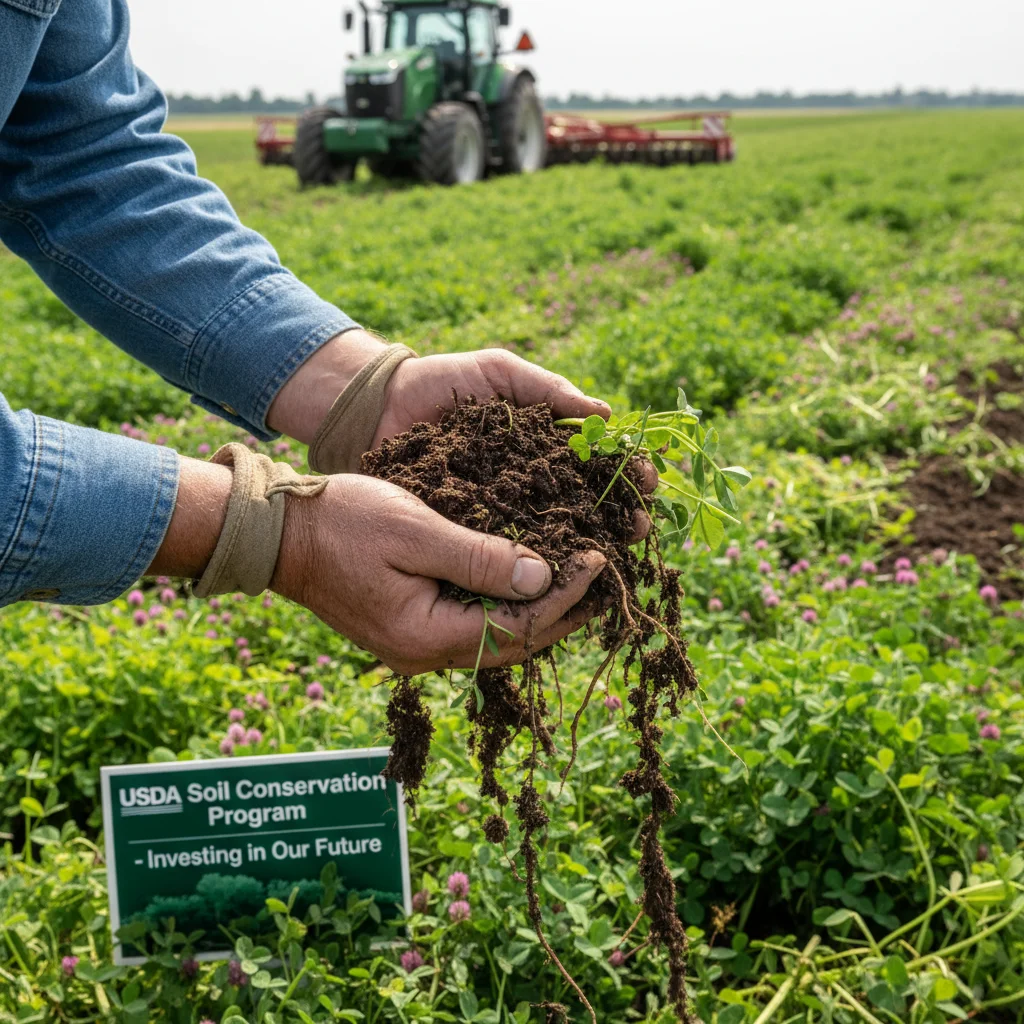
- Focus on Carbon Sequestration and Soil Health: A major emphasis of the expanded CSAI will be on practices that enhance carbon sequestration in agricultural soils. This includes incentives for planting cover crops, incorporating perennial crops, and adopting no-till or reduced-till farming systems. Farmers who can demonstrate measurable improvements in soil organic carbon will be prioritized for certain funding streams, reflecting the critical role soil plays in climate mitigation.
- Methane Reduction in Livestock: For livestock producers, new programs will specifically target methane emissions. This could involve incentives for improved manure management systems, feed additives that reduce enteric fermentation, and rotational grazing strategies. The goal is to support producers in adopting technologies and practices that lessen the environmental footprint of animal agriculture.
- Data Collection and Reporting: While not overly burdensome, there will be an increased focus on data collection to measure the efficacy of CSAI-funded projects. Farmers may be asked to provide basic data on their practices and outcomes, which will help inform future policy decisions and demonstrate the collective impact of climate-smart agriculture.
How Farmers Can Prepare and Benefit:
To leverage the CSAI expansion, farmers should begin by assessing their current operations against climate-smart principles. Consider which practices you could realistically adopt or expand. Engage with your local USDA service center, Extension offices, or conservation districts. These entities will be key hubs for information, technical assistance, and application support for the new programs. Exploring existing pilot projects or state-level initiatives that align with CSAI goals can also provide valuable experience. The time to start planning for the 2026 CSAI expansion is now, as early engagement will position your farm to maximize the benefits of this crucial sustainable agriculture policy.
Policy Change 2: Enhanced Conservation Stewardship Program (CSP) and Environmental Quality Incentives Program (EQIP) Integration
The second significant development in US sustainable agriculture policy for 2026 involves a more robust integration and enhancement of two long-standing and highly effective conservation programs: the Conservation Stewardship Program (CSP) and the Environmental Quality Incentives Program (EQIP). While these programs have historically operated somewhat independently, the 2026 changes aim to create a more seamless, comprehensive approach to conservation, making it easier for farmers to access a wider range of support for their environmental efforts.
Understanding CSP and EQIP:
- EQIP (Environmental Quality Incentives Program): Primarily provides financial and technical assistance to agricultural producers to address natural resource concerns and deliver environmental benefits such as improved water and air quality, conserved ground and surface water, reduced soil erosion and sedimentation, and improved or created wildlife habitat. It often focuses on specific, targeted practices.
- CSP (Conservation Stewardship Program): Rewards farmers for maintaining and improving existing conservation efforts while also adopting new, advanced conservation practices across their entire operation. It’s designed for those already engaged in conservation and looking to take their efforts to the next level.
The 2026 Integration and Enhancements:
The upcoming policy changes are designed to bridge the gap between these two programs, creating a more holistic pathway for farmers regardless of their current conservation stage. This integration aims to reduce administrative burdens, provide clearer guidance, and offer more flexible funding options.
- Streamlined Application Process: One of the most anticipated changes is a simplified, potentially unified application portal or process for both CSP and EQIP. This will reduce duplication of effort for farmers and allow them to more easily identify which program, or combination of programs, best suits their needs. The goal is to make accessing conservation funding less intimidating.
- Tiered Incentive Structure: The integrated framework is expected to introduce a more explicit tiered incentive structure. Farmers just beginning their conservation journey might start with EQIP-like funding for specific practices, then transition more seamlessly into CSP-like payments for whole-farm stewardship. This creates a clear progression and rewards continuous improvement in sustainable agriculture policy adherence.
- Increased Focus on Outcomes: While practices remain important, there will be an increased emphasis on measurable environmental outcomes. This means that programs will increasingly reward farmers for the actual benefits delivered (e.g., pounds of nitrogen reduced, acres of habitat restored) rather than just the adoption of a practice. This shift encourages innovation and efficiency in conservation efforts.
- Support for Climate-Smart Additions: The integration will also ensure that practices promoted by the CSAI (Policy Change 1) are readily eligible and incentivized through the enhanced CSP/EQIP framework. This creates a powerful synergy, allowing farmers to access multiple layers of support for adopting climate-resilient and environmentally beneficial practices.
- Technical Assistance Boost: Recognizing that successful conservation requires more than just funding, the policy changes will also likely include an increase in technical assistance. More conservation planners and specialists will be available to help farmers design, implement, and monitor their conservation plans, ensuring that practices are effective and tailored to specific farm needs.

Strategic Steps for Farmers:
Farmers should proactively engage with their local Natural Resources Conservation Service (NRCS) offices to understand the specifics of this integration. Start documenting your current conservation practices and any resource concerns on your farm. This will be invaluable when applying for assistance. Consider joining local conservation groups or farmer networks where you can share experiences and learn about successful conservation strategies. The enhanced CSP/EQIP integration represents a significant opportunity to invest in the long-term health of your land and the sustainability of your operation, directly supported by evolving sustainable agriculture policy.
Policy Change 3: New Market Access and Certification Standards for Sustainable Products
The third pivotal change in US sustainable agriculture policy for 2026 focuses on the demand side of the equation: creating clearer pathways and stronger incentives for consumers to choose sustainably produced goods. This involves the introduction of new market access programs and revised, federally recognized certification standards for sustainable agricultural products. The aim is to empower consumers with transparent information and reward farmers who go above and beyond in their environmental stewardship.
The Growing Demand for Sustainable Products:
Consumers are increasingly conscious of where their food comes from and how it’s produced. There’s a growing willingness to pay a premium for products that are certified organic, locally grown, fair trade, or, more broadly, sustainably produced. However, the current landscape of certifications can be confusing, leading to consumer skepticism and making it difficult for truly sustainable farmers to differentiate their products effectively. The 2026 policy changes seek to rectify this.
Key Elements of the New Market Access and Certification Standards:
- Federal Sustainable Agriculture Certification: This is perhaps the most significant aspect. The policy is expected to introduce a new, federally recognized certification label for “Sustainable Agriculture.” Unlike existing private certifications, this federal standard would provide a consistent, government-backed benchmark for what constitutes sustainable farming practices. This could encompass criteria related to soil health, water conservation, biodiversity, animal welfare, and reduced chemical use. The goal is to create a clear, trustworthy signal for consumers.
- Market Access Programs and Incentives: Alongside the certification, new programs will be established to help certified sustainable farmers access premium markets. This could include partnerships with major retailers, preference in federal procurement programs (e.g., school lunch programs, military commissaries), and marketing support. The aim is to create a direct economic benefit for achieving the new certification.
- Support for Regional Food Systems: The policy will likely also include enhanced support for developing and strengthening regional food systems. This means grants and technical assistance for farmers’ markets, food hubs, community-supported agriculture (CSAs), and other direct-to-consumer models that inherently promote sustainable agriculture policy and local economies.
- Transparency and Traceability Initiatives: To build consumer trust, there will be an emphasis on improved transparency and traceability within the supply chain for certified products. This could involve digital platforms that allow consumers to trace products back to their origin farm and understand the sustainable practices employed.
- Educational Campaigns: The government is expected to launch public awareness campaigns to educate consumers about the new “Sustainable Agriculture” certification and the benefits of choosing sustainably produced foods. This will help drive demand and create a stronger market for certified products.
Implications for Farmers and How to Adapt:
For farmers, this policy change presents a significant opportunity to gain a competitive edge. Begin by reviewing your current practices and evaluating how they align with potential federal sustainable agriculture standards. If you’re already implementing many sustainable practices, getting certified could be a relatively straightforward process, opening doors to new, higher-value markets. Stay informed about the development of the certification criteria and participate in public comment periods if available. Consider diversifying your marketing channels to include direct-to-consumer sales or partnerships with local food initiatives. This proactive approach will allow you to capitalize on the increasing consumer demand for sustainable products, directly supported by evolving sustainable agriculture policy.
Overarching Themes and Strategic Advice for Farmers
Beyond the specifics of each policy change, several overarching themes emerge from the 2026 updates to US sustainable agriculture policy. These themes underscore a fundamental shift in how the federal government views and supports the agricultural sector. Understanding these broader currents is crucial for any farmer looking to future-proof their operation.
Collaboration and Community:
A consistent thread through all these policy changes is the emphasis on collaboration. Whether it’s through peer-to-peer learning in conservation groups, partnerships with local food hubs, or engaging with USDA and Extension services, the new policies encourage a community-driven approach to sustainable farming. Farmers are not expected to navigate these changes in isolation. Building strong networks, sharing knowledge, and collaborating on projects can unlock greater benefits and collective resilience.
Data-Driven Decision Making:
The increasing focus on measurable outcomes, particularly in the CSAI and enhanced CSP/EQIP, highlights the growing importance of data. Farmers who can effectively track and report on their practices and their environmental impacts will be better positioned to access funding and demonstrate their commitment to sustainability. This doesn’t necessarily mean complex, expensive technology; it can start with diligent record-keeping of input use, crop rotations, soil test results, and conservation practices.
Long-Term Vision and Adaptability:
These policy changes are not one-off adjustments but part of a long-term strategic vision for US agriculture. They signal a continued federal commitment to environmental stewardship, climate resilience, and robust rural economies. Farmers who adopt a long-term perspective and are willing to adapt their practices will be the most successful. This might involve investing in new equipment, learning new techniques, or adjusting crop rotations. The ability to be agile and responsive to evolving policy and market demands will be a key determinant of success.
Financial Incentives as Catalysts:
Crucially, the new policies are backed by significant financial incentives. These aren’t just subsidies; they are investments in the future of agriculture. Farmers should view these grants, loans, and payments as opportunities to de-risk the adoption of new, sustainable practices. The initial investment in cover crops, no-till equipment, or manure management systems can be substantial, but federal programs are designed to offset these costs and make the transition economically viable. Understanding the various funding streams and how to access them will be paramount.
Engaging with Policy Makers:
While these policies are set for 2026, the legislative and regulatory processes are often iterative. Farmers have a voice in shaping future policy. Engaging with agricultural advocacy groups, attending public forums, and contacting elected officials can influence how these policies are implemented and refined. Your practical experience and insights are invaluable to policy makers.
Conclusion: A Sustainable Future for US Agriculture
The 2026 US policy changes in sustainable agriculture policy represent a pivotal moment for farmers across the nation. The expanded Climate-Smart Agriculture Initiative, the integrated and enhanced Conservation Stewardship and Environmental Quality Incentives Programs, and the new market access and certification standards collectively paint a picture of a future where environmental stewardship is not just encouraged but actively supported and rewarded. These changes are designed to foster a more resilient, environmentally sound, and economically vibrant agricultural sector.
For farmers, the call to action is clear: stay informed, engage with available resources, and be prepared to adapt. Proactive planning, leveraging technical assistance, and exploring the financial incentives offered by these new policies will be critical to navigating the transition successfully. The opportunities to enhance soil health, conserve water, reduce emissions, and access new markets are substantial. By embracing these updates to sustainable agriculture policy, farmers can not only ensure the long-term viability of their own operations but also contribute significantly to the health of our planet and the security of our food supply.
The journey towards a fully sustainable agricultural system is ongoing, but with these forward-thinking policy changes, the path forward for US farmers in 2026 and beyond looks promising. It’s a future where productivity and profitability go hand-in-hand with environmental responsibility, creating a legacy of stewardship for generations to come. Embrace these changes, and position your farm at the forefront of the sustainable agriculture revolution.