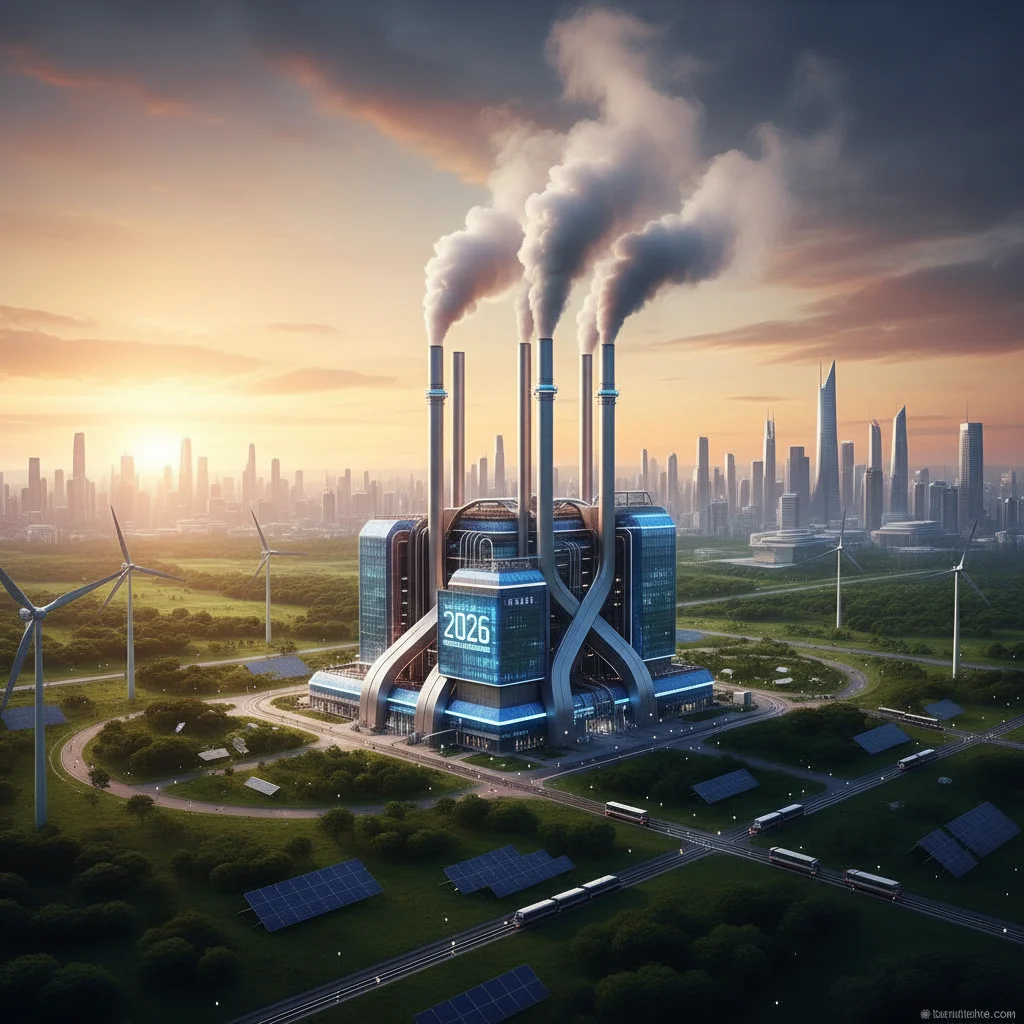
The landscape of energy production and waste management in the United States is on the cusp of a significant transformation. As 2026 approaches, an increasing number of US states are actively implementing and scaling up innovative waste energy initiatives. This insider report delves into the driving forces behind this shift, the diverse technologies being embraced, the policy frameworks enabling their success, and the profound implications for both our environment and energy independence. The journey towards a more sustainable future is paved with challenges, but the potential rewards of converting our refuse into a valuable power source are too substantial to ignore.
Anúncios
For decades, landfills have been the primary solution for managing municipal solid waste (MSW) in the US. However, the environmental burdens associated with landfills—including greenhouse gas emissions, land use, and potential groundwater contamination—have spurred a renewed focus on alternative waste management strategies. Among these, waste-to-energy (WTE) technologies stand out as a promising avenue, offering a dual benefit: reducing waste volume and generating electricity or heat. The urgency to address climate change, coupled with the desire for energy security, has accelerated the adoption of these advanced waste energy initiatives across various states.
The Shifting Paradigm: Why Waste-to-Energy Now?
The push for new waste energy initiatives is not arbitrary; it’s a response to a complex interplay of environmental, economic, and geopolitical factors. Environmentally, the imperative to reduce landfill reliance and curb methane emissions (a potent greenhouse gas) is paramount. Economically, the rising costs of landfill operation, transportation, and the increasing demand for diversified energy sources make WTE an attractive proposition. Geopolitically, enhancing energy independence by utilizing domestic waste resources reduces reliance on volatile fossil fuel markets.
Anúncios
Moreover, advancements in WTE technologies have made them more efficient, cleaner, and more economically viable than ever before. Early WTE plants often faced criticism regarding air emissions and efficiency. However, modern facilities incorporate sophisticated emission control systems, achieving significantly lower environmental footprints. This technological evolution has played a crucial role in garnering public and political support for these new initiatives.
The Environmental Imperative: Reducing Landfill Dependency and Emissions
Landfills are significant contributors to greenhouse gas emissions, primarily methane, which is 25 times more potent than carbon dioxide over a 100-year period. By diverting waste from landfills and processing it through WTE facilities, states can dramatically reduce these emissions. Furthermore, WTE processes can reduce the volume of waste by up to 90%, extending the lifespan of existing landfills and reducing the need for new ones. This has profound implications for land conservation and preventing soil and water contamination.
The focus on waste energy initiatives aligns perfectly with broader national and international climate goals. States are setting ambitious targets for greenhouse gas reductions, and WTE offers a tangible pathway to achieve these objectives by simultaneously managing waste and producing cleaner energy. This holistic approach is gaining traction as policymakers recognize the interconnectedness of waste management, energy production, and environmental protection.
Economic Benefits: Job Creation and Energy Security
Beyond environmental gains, waste energy initiatives bring substantial economic advantages. The construction and operation of WTE facilities create numerous jobs, ranging from engineers and technicians to waste collection and processing personnel. These are often stable, well-paying jobs that contribute to local economies. Furthermore, by generating electricity locally, states can reduce their reliance on imported energy, fostering greater energy security and price stability.
The revenue generated from selling electricity or heat produced by WTE plants can also help offset waste management costs, potentially leading to lower taxes or fees for residents. This economic incentive is a powerful driver for state and local governments to invest in these technologies. The long-term economic sustainability of WTE projects, coupled with their environmental benefits, presents a compelling case for widespread adoption.
Pioneering States and Their 2026 Waste-to-Energy Roadmaps
Several US states are leading the charge in implementing ambitious waste energy initiatives for 2026. Their strategies vary, reflecting local waste compositions, energy needs, and policy priorities, but all share a common goal: to transform waste into a valuable resource.
California’s Advanced Conversion Technologies
California, a state known for its progressive environmental policies, is exploring advanced conversion technologies beyond traditional incineration. The focus here is on processes like pyrolysis and gasification, which convert waste into synthetic gas (syngas) or liquid fuels with minimal emissions. The state’s 2026 roadmap emphasizes pilot projects for these technologies, particularly for organic waste, aiming to reduce landfilling and produce renewable natural gas.
These initiatives are crucial for California to meet its aggressive climate goals, including reducing short-lived climate pollutants. By investing in these cutting-edge waste energy initiatives, California aims to demonstrate the viability of next-generation WTE, setting a precedent for other states.
Florida’s Integrated Waste Management Systems
Florida, facing significant challenges with growing populations and limited landfill space, is expanding its existing network of WTE facilities. The state’s 2026 plan involves upgrading older plants with newer emission control technologies and exploring co-generation opportunities, where WTE facilities produce both electricity and useful heat for industrial or district heating purposes. Florida’s approach emphasizes integrated waste management, where WTE is part of a larger system that includes recycling, composting, and waste reduction efforts.
The state’s commitment to these waste energy initiatives is driven by the need for sustainable waste disposal solutions in a rapidly developing region. The integration of WTE into a comprehensive waste strategy maximizes resource recovery and minimizes environmental impact.
Northeast States: Leveraging Existing Infrastructure and Innovation
States in the Northeast, such as Massachusetts, Connecticut, and New York, have a longer history with WTE. Their 2026 roadmaps focus on modernizing existing facilities, improving efficiency, and integrating WTE into regional renewable energy portfolios. There’s also a growing interest in utilizing refuse-derived fuel (RDF) in industrial applications, further diversifying the use of waste as an energy source.
These states are also exploring partnerships with academic institutions and private companies to research and develop even more efficient and environmentally friendly WTE processes. The emphasis on continuous improvement and innovation is central to their waste energy initiatives, ensuring that WTE remains a viable and attractive option for decades to come.
The Technologies Driving New Waste Energy Initiatives
The success of these waste energy initiatives hinges on the effectiveness and environmental performance of the underlying technologies. While traditional mass-burn incineration remains a significant component, newer, more advanced methods are gaining prominence.
Thermal Conversion: Incineration, Pyrolysis, and Gasification
Incineration (Mass Burn): This is the most common WTE technology, where waste is combusted at high temperatures to produce steam, which then drives turbines to generate electricity. Modern incinerators are equipped with advanced air pollution control systems that significantly reduce emissions of harmful substances.
Pyrolysis: This process involves heating waste in the absence of oxygen, breaking it down into liquid oil (bio-oil), synthetic gas (syngas), and solid char. Pyrolysis offers flexibility, as these products can be used as fuels or chemical feedstocks. It’s particularly well-suited for organic waste streams.
Gasification: Similar to pyrolysis, gasification involves heating waste with a limited amount of oxygen to produce syngas. This syngas can then be cleaned and used to generate electricity in gas engines or turbines, or even converted into liquid fuels or chemicals. Gasification generally operates at higher temperatures than pyrolysis, leading to a cleaner syngas product.
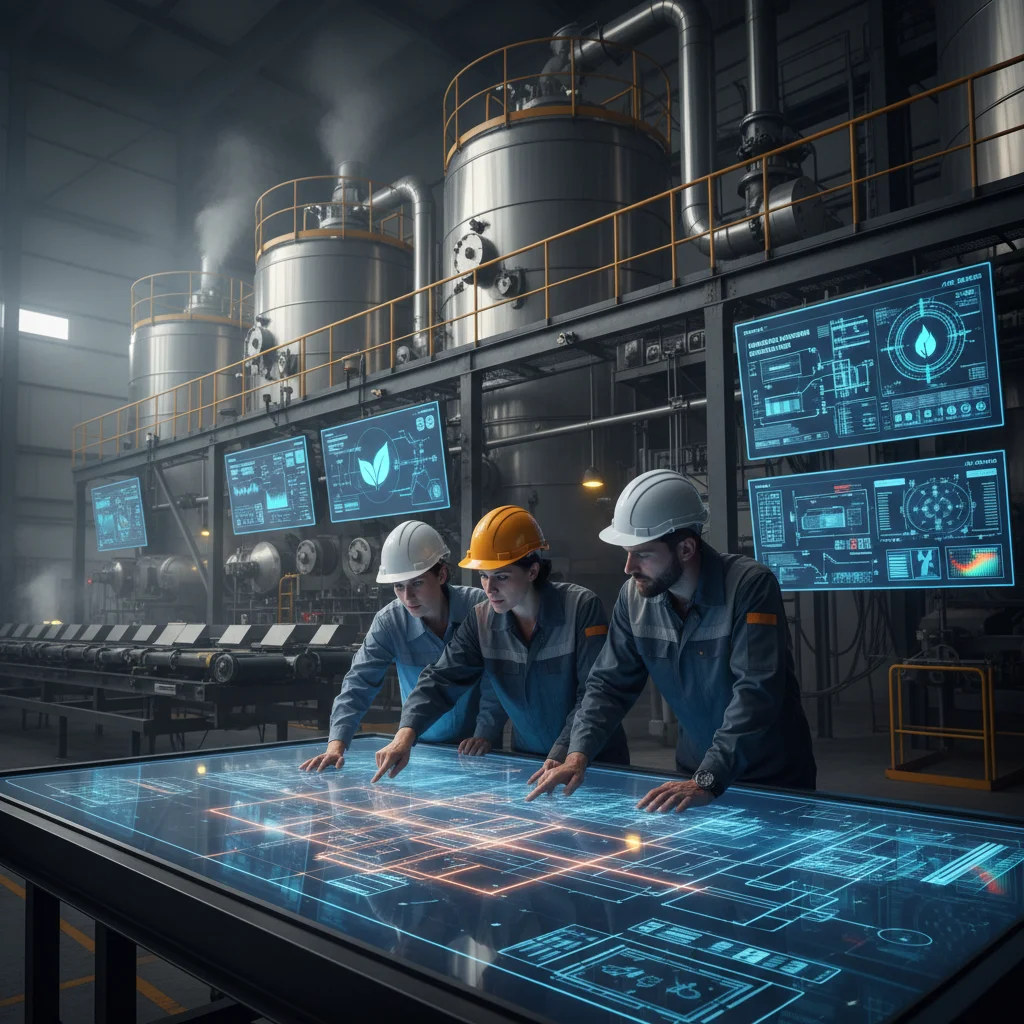
These thermal conversion technologies are at the heart of many new waste energy initiatives, offering different pathways to extract energy from diverse waste streams. The choice of technology often depends on the specific composition of waste, local energy demands, and environmental regulations.
Biological Conversion: Anaerobic Digestion
While thermal processes dominate, biological conversion methods, particularly anaerobic digestion, are also crucial for organic waste. Anaerobic digestion breaks down organic matter in the absence of oxygen, producing biogas (a mixture of methane and carbon dioxide). This biogas can be used to generate electricity, heat, or upgraded to renewable natural gas (RNG) for vehicle fuel or injection into natural gas pipelines.
Anaerobic digestion is a key component of integrated waste management systems, especially for food waste and agricultural residues. Its ability to produce renewable natural gas makes it an attractive option for states looking to decarbonize their energy and transportation sectors. Many waste energy initiatives are now incorporating anaerobic digestion alongside thermal processes to maximize resource recovery from all types of waste.
Policy and Regulatory Landscape: Enabling the Shift
The successful implementation of waste energy initiatives hinges on supportive policy and regulatory frameworks. States are enacting various measures to incentivize WTE development, streamline permitting processes, and ensure environmental compliance.
Renewable Portfolio Standards (RPS) and Incentives
Many states include WTE in their Renewable Portfolio Standards (RPS), which mandate that a certain percentage of electricity come from renewable sources. This provides a stable market for WTE-generated electricity and encourages investment. Some states also offer tax credits, grants, and other financial incentives for the development of WTE facilities, recognizing their dual benefit in waste management and energy production.
These policies are critical for de-risking WTE projects and attracting private sector investment. Without clear policy support, the upfront capital costs of WTE facilities can be a significant barrier. The inclusion of WTE in RPS frameworks signals a long-term commitment from states to these waste energy initiatives.
Streamlined Permitting and Environmental Oversight
To accelerate the deployment of WTE facilities, some states are working to streamline permitting processes while maintaining rigorous environmental oversight. This involves clearer guidelines, inter-agency coordination, and efficient review procedures. Simultaneously, states are strengthening environmental regulations to ensure that WTE plants operate with the highest standards of air and water quality control.
Public acceptance is vital for WTE projects, and robust environmental oversight helps build trust within communities. Transparent monitoring and reporting of emissions are essential to demonstrate that modern WTE facilities are safe and environmentally responsible. The balance between efficient permitting and stringent environmental protection is a delicate but necessary act for advancing waste energy initiatives.
Waste Diversion Mandates and Extended Producer Responsibility (EPR)
Beyond incentivizing WTE, states are also implementing policies to ensure a consistent feedstock of waste. Waste diversion mandates require municipalities to reduce the amount of waste sent to landfills, often through recycling and composting programs, but also by directing appropriate waste to WTE facilities. Extended Producer Responsibility (EPR) schemes hold manufacturers accountable for the entire lifecycle of their products, encouraging them to design for recyclability and proper disposal, which can indirectly benefit WTE by providing a more consistent and cleaner waste stream.
These policies create a virtuous cycle: as more waste is diverted from landfills, the feedstock for WTE facilities becomes more predictable and potentially higher quality, leading to more efficient operations and greater energy output. The interplay of these policies is crucial for the long-term success of waste energy initiatives.
Challenges and Opportunities for 2026 and Beyond
While the momentum behind waste energy initiatives is undeniable, several challenges must be addressed to fully realize their potential. However, these challenges also present significant opportunities for innovation and collaboration.
Public Perception and Education
One of the enduring challenges for WTE is public perception. Historically, WTE plants have been conflated with older, less environmentally friendly incinerators. Overcoming this perception requires robust public education campaigns that highlight the technological advancements, environmental benefits, and stringent regulatory oversight of modern WTE facilities. Engaging communities early in the planning process and addressing concerns transparently are crucial for building trust and support.
Opportunities lie in showcasing successful WTE projects that have become integral parts of their communities, demonstrating clean operations and positive economic impacts. Highlighting the role of WTE in reducing landfill waste and generating local energy can shift public opinion and foster greater acceptance of these vital waste energy initiatives.
Feedstock Consistency and Quality
The efficiency of WTE facilities is highly dependent on the consistency and quality of the waste feedstock. High levels of non-combustible materials or hazardous waste can reduce efficiency and increase maintenance costs. States are addressing this through improved waste sorting, recycling programs, and public awareness campaigns to encourage proper waste segregation.
Opportunities exist in developing advanced waste sorting technologies, such as artificial intelligence and robotics, to improve feedstock quality. Furthermore, stricter enforcement of recycling mandates and better public education on what can and cannot be processed by WTE facilities will be key to optimizing the performance of these waste energy initiatives.
Integration with Renewable Energy Grids
As WTE facilities generate electricity, their integration into existing renewable energy grids is crucial. This involves ensuring grid stability, managing intermittent energy sources (if co-located with solar or wind), and optimizing energy dispatch. Smart grid technologies and energy storage solutions will play an increasingly important role in seamlessly integrating WTE into the broader energy mix.
The opportunity here is to position WTE as a reliable, baseload renewable energy source that complements intermittent renewables. By providing consistent power, WTE can enhance grid stability and contribute significantly to overall renewable energy targets. This strategic integration is a key focus for states expanding their waste energy initiatives.
The Future of Waste Energy: A Holistic Approach
Looking towards 2026 and beyond, the future of waste energy initiatives is increasingly moving towards a holistic, integrated approach to waste management. This means viewing waste not as a problem to be disposed of, but as a resource to be optimized.
Circular Economy Principles
WTE fits within the broader framework of a circular economy, where resources are kept in use for as long as possible, extracting the maximum value from them while in use, then recovering and regenerating products and materials at the end of each service life. WTE represents the ‘energy recovery’ step in this hierarchy, coming after reduction, reuse, and recycling. By ensuring that residual waste is still put to good use, WTE helps close the loop on material flows and contributes to a more sustainable economic model.
States are increasingly adopting circular economy principles in their waste policies, and WTE is an essential component of this strategy. The ongoing development of waste energy initiatives will be guided by these principles, aiming for maximum resource recovery and minimal environmental impact.
Innovation in Co-processing and Hybrid Systems
The next wave of innovation in WTE is likely to involve co-processing and hybrid systems. Co-processing involves using waste as a supplementary fuel or raw material in industrial processes, such as cement kilns, reducing the need for virgin materials and fossil fuels. Hybrid systems combine different WTE technologies (e.g., anaerobic digestion for organics, followed by thermal conversion for residuals) to maximize energy recovery and minimize emissions.
These innovative approaches offer greater flexibility and efficiency in handling diverse waste streams. They represent a significant opportunity to further enhance the environmental and economic benefits of waste energy initiatives, making them even more attractive to states and communities.
Global Collaboration and Best Practices
The US can also learn from and collaborate with countries that have successfully implemented advanced WTE systems, particularly in Europe and Asia. Sharing best practices, technological advancements, and policy insights can accelerate the adoption and optimization of waste energy initiatives across the nation. International partnerships can foster innovation and help overcome common challenges.
This global perspective will be crucial as states continue to refine their WTE strategies for 2026 and beyond, ensuring that the US remains at the forefront of sustainable waste management and renewable energy production.
Conclusion: A Sustainable Path Forward
The increasing adoption of waste energy initiatives across US states for 2026 marks a pivotal moment in the nation’s journey towards sustainability. By transforming waste into a valuable energy source, states are simultaneously addressing critical environmental challenges, enhancing energy security, and fostering economic growth. While challenges remain, the continuous advancements in technology, supportive policy frameworks, and a growing understanding of the benefits are paving the way for a future where waste is no longer simply discarded but intelligently repurposed.
The commitment from states to invest in these innovative solutions underscores a broader recognition that sustainable waste management and renewable energy are not just environmental necessities but economic imperatives. As we move closer to 2026, the progress in waste energy initiatives will undoubtedly serve as a testament to human ingenuity and our collective resolve to build a cleaner, more energy-independent future for all.