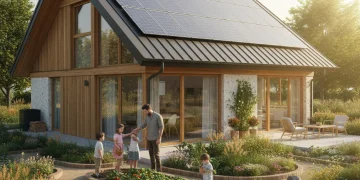
Home Energy Upgrades: Reduce Carbon Footprint 15% by 2026

Anúncios
In an era where environmental consciousness is no longer a niche concern but a global imperative, homeowners are increasingly looking for tangible ways to contribute to a more sustainable future. The good news is that reducing your household’s carbon footprint doesn’t have to mean drastic lifestyle changes or prohibitive costs. In fact, many home energy upgrades offer significant long-term savings while making a substantial positive impact on the planet. This article will delve into five key Home Energy Upgrades you should consider implementing by 2026, with the ambitious yet achievable goal of reducing your carbon footprint by a remarkable 15% this year alone.
Anúncios
The urgency to act is clear. Climate change continues to pose significant threats, and every kilowatt-hour saved, every pound of CO2 prevented from entering the atmosphere, makes a difference. Your home, often a major contributor to your personal carbon footprint, also represents one of the greatest opportunities for change. By strategically investing in Home Energy Upgrades, you’re not just cutting down on emissions; you’re also enhancing your home’s comfort, increasing its value, and shielding yourself from volatile energy prices. Let’s explore how you can transform your living space into a beacon of energy efficiency and environmental responsibility.
Anúncios
Understanding Your Carbon Footprint and the 15% Goal
Before we dive into specific Home Energy Upgrades, it’s crucial to understand what a carbon footprint is and why a 15% reduction is a meaningful target. Your carbon footprint is the total amount of greenhouse gases (including carbon dioxide, methane, nitrous oxide, and fluorinated gases) generated by your actions. For most households, a significant portion of this footprint comes from energy consumption: heating, cooling, electricity for appliances, and hot water. A 15% reduction is not just an arbitrary number; it represents a substantial and achievable step towards decarbonization for many households, often attainable through a combination of smart investments and behavioral changes.
To put this into perspective, the average American household emits approximately 7.5 metric tons of carbon dioxide per year from energy use. A 15% reduction would mean cutting down emissions by over one metric ton annually, equivalent to planting dozens of trees or taking a car off the road for several months. This isn’t about perfection; it’s about progress and making informed choices that collectively lead to a healthier planet. The Home Energy Upgrades discussed here are designed to deliver precisely this kind of impact.
Measuring your current carbon footprint can be an excellent first step. Numerous online calculators allow you to input your energy bills, travel habits, and consumption patterns to get an estimate. Once you have a baseline, you can track your progress as you implement these Home Energy Upgrades, providing tangible proof of your positive environmental contribution. This data-driven approach not only motivates but also helps you prioritize which upgrades will yield the greatest return on investment, both environmentally and financially.
Upgrade 1: Embrace Solar Power with Photovoltaic (PV) Panels
Perhaps the most impactful of all Home Energy Upgrades is the installation of solar photovoltaic (PV) panels. Solar energy harnesses the power of the sun to generate clean electricity for your home, drastically reducing your reliance on fossil fuel-derived grid power. The technology has advanced significantly in recent years, making solar more efficient, affordable, and accessible than ever before.
The Benefits of Solar PV
- Significant Carbon Reduction: By generating your own electricity, you directly offset the emissions produced by traditional power plants. A typical residential solar array can prevent several tons of CO2 from entering the atmosphere each year.
- Lower Electricity Bills: Once installed, solar panels produce free electricity. While there’s an upfront cost, the long-term savings on your utility bills can be substantial, often leading to a positive cash flow within a few years, especially with net metering policies.
- Increased Home Value: Homes with solar panels often sell faster and at a higher price than comparable homes without them.
- Energy Independence: Reduce your vulnerability to rising energy prices and power outages.
- Government Incentives: Many regions offer federal, state, and local incentives, tax credits, and rebates that can significantly reduce the cost of installation. The federal Investment Tax Credit (ITC) currently offers a substantial credit for solar system installations.
Considerations for Solar Installation
Before committing to solar, assess your roof’s suitability. Factors include:
- Sun Exposure: Does your roof get ample, unobstructed sunlight throughout the day? Shading from trees or neighboring buildings can reduce efficiency.
- Roof Condition and Age: It’s often wise to combine solar installation with roof replacement if your roof is nearing the end of its lifespan.
- Local Regulations and Permitting: Research local zoning laws, HOA restrictions, and permitting requirements.
- System Sizing: A professional installer can help determine the optimal system size to meet your energy needs and budget.
Investing in solar PV is a powerful statement about your commitment to sustainability and one of the most effective Home Energy Upgrades for long-term carbon footprint reduction. With proper planning, it can easily contribute a significant portion of your 15% reduction goal.
Upgrade 2: Install a Smart Thermostat
While solar panels represent a large-scale investment, a smart thermostat is a relatively inexpensive yet highly effective Home Energy Upgrade that can yield immediate results. Smart thermostats go beyond basic programmable models, offering advanced features that optimize your home’s heating and cooling – often the biggest energy consumers in a household.
How Smart Thermostats Reduce Energy Waste
- Learning Algorithms: Many smart thermostats learn your preferences and daily schedule, automatically adjusting temperatures to save energy when you’re away or asleep, without you having to remember.
- Remote Control: Control your thermostat from anywhere using a smartphone app. Forgot to turn down the heat before leaving for vacation? No problem.
- Occupancy Sensors: Some models use sensors to detect when rooms are empty and adjust temperatures accordingly.
- Integration with Weather Data: They can pull local weather forecasts to pre-heat or pre-cool your home more efficiently.
- Energy Usage Reports: Smart thermostats provide detailed insights into your energy consumption, helping you identify patterns and areas for further savings.

The Impact on Your Carbon Footprint
Heating and cooling can account for 40-60% of a home’s total energy use. By optimizing these systems, a smart thermostat can reduce energy consumption by 10-15% on heating and 15-20% on cooling, translating directly into a smaller carbon footprint. This small but mighty Home Energy Upgrade is an excellent starting point for anyone looking to make a difference.
Choosing the Right Smart Thermostat
When selecting a smart thermostat, consider compatibility with your existing HVAC system, ease of installation, and desired features (e.g., geofencing, room sensors, integration with other smart home devices). Popular brands like Nest, Ecobee, and Honeywell offer a range of options suitable for various needs and budgets. Installation is often straightforward enough for DIY enthusiasts, but professional installation is also widely available.
Upgrade 3: Enhance Home Insulation and Air Sealing
While less glamorous than solar panels, improving your home’s insulation and air sealing is arguably one of the most fundamental and cost-effective Home Energy Upgrades. A well-insulated and properly sealed home prevents conditioned air (heated in winter, cooled in summer) from escaping, significantly reducing the workload on your HVAC system and, consequently, your energy bills and carbon emissions.
Key Areas for Insulation and Air Sealing
- Attic: The attic is often the biggest culprit for heat loss and gain. Adding insulation to meet recommended R-values (a measure of thermal resistance) can dramatically improve efficiency.
- Walls: Blown-in insulation can be added to existing wall cavities without major renovations.
- Crawl Spaces/Basements: Insulating these areas prevents cold floors and reduces moisture issues.
- Windows and Doors: While replacing old, inefficient windows and doors is ideal, simpler air sealing measures like weatherstripping and caulking can make a significant difference.
- Ductwork: Leaky ducts can waste up to 30% of your heating and cooling energy. Sealing and insulating ducts, especially those in unconditioned spaces, is crucial.
The Environmental and Financial Impact
Improved insulation and air sealing can lead to energy savings of 15-30%, directly translating to a proportional reduction in your carbon footprint. This Home Energy Upgrade offers a quick return on investment through lower utility bills and increased comfort. You’ll notice fewer drafts, more consistent temperatures throughout your home, and a quieter living environment.
Consider a professional home energy audit to identify specific areas of air leakage and insufficient insulation. Auditors use tools like thermal cameras and blower doors to pinpoint problems, allowing you to prioritize your efforts for maximum impact. Many utility companies offer rebates or incentives for energy audits and subsequent insulation upgrades.

Upgrade 4: Invest in Energy-Efficient Appliances and Lighting
Every appliance in your home, from your refrigerator to your light bulbs, contributes to your overall energy consumption. Upgrading to energy-efficient models is a straightforward yet impactful group of Home Energy Upgrades that collectively can make a significant dent in your carbon footprint.
Key Appliances to Consider
- LED Lighting: Replacing incandescent bulbs with LEDs is a no-brainer. LEDs use up to 90% less energy and last 25 times longer, reducing both electricity consumption and waste.
- ENERGY STAR Certified Appliances: When replacing major appliances like refrigerators, dishwashers, washing machines, and dryers, always look for the ENERGY STAR label. These products meet strict energy efficiency guidelines set by the EPA and Department of Energy.
- Heat Pump Water Heaters: Traditional electric water heaters are energy hogs. Heat pump water heaters (HPWHs) use electricity to move heat from one place to another instead of generating heat directly, making them 2-3 times more energy efficient.
- High-Efficiency HVAC Systems: If your furnace or air conditioner is old, upgrading to a high-efficiency model (e.g., a heat pump system) can provide substantial savings and carbon reductions.
Calculating the Impact
While individual appliance upgrades might seem small, their cumulative effect is powerful. For instance, switching all your home’s light bulbs to LEDs can reduce lighting energy use by 75% or more. A new ENERGY STAR refrigerator uses about 9% less energy than a standard model, while a high-efficiency washing machine can save thousands of gallons of water and significant amounts of energy. The collective impact of these Home Energy Upgrades contributes substantially to your 15% carbon reduction goal.
Remember to properly dispose of old appliances. Many retailers offer recycling programs when you purchase a new appliance, ensuring that old units are handled in an environmentally responsible manner.
Upgrade 5: Optimize Water Usage with Low-Flow Fixtures and Greywater Systems
Water conservation might not immediately come to mind when thinking about carbon footprints, but heating water requires a substantial amount of energy, and treating and distributing water also have energy implications. Implementing water-saving Home Energy Upgrades can therefore indirectly but effectively reduce your carbon emissions.
Key Water Optimization Upgrades
- Low-Flow Showerheads and Faucets: These fixtures significantly reduce water consumption without sacrificing pressure or comfort. A low-flow showerhead can save thousands of gallons of hot water (and the energy to heat it) annually.
- Dual-Flush Toilets: These toilets offer two flush options – a lower volume for liquid waste and a higher volume for solid waste – saving a considerable amount of water compared to older models.
- Rainwater Harvesting Systems: Collecting rainwater for irrigation, toilet flushing, or even laundry (with proper filtration) reduces your reliance on municipal water supplies, which require energy for pumping and treatment.
- Greywater Recycling Systems: For the more ambitious homeowner, a greywater system collects gently used water from sinks, showers, and washing machines to repurpose it for landscape irrigation or toilet flushing. This is a significant step in water and energy conservation.
- Efficient Irrigation: If you have a lawn or garden, consider smart irrigation controllers that adjust watering schedules based on weather conditions, and drip irrigation systems that deliver water directly to plant roots, minimizing evaporation.
The Ripple Effect on Your Carbon Footprint
Reducing hot water usage directly lowers the energy demand on your water heater, whether it’s electric, gas, or a heat pump model. Less energy consumed means fewer emissions generated. Additionally, less demand on municipal water treatment and distribution systems translates to energy savings at a broader level. These Home Energy Upgrades demonstrate how interconnected resource conservation is and how seemingly small changes can have far-reaching environmental benefits.
Beyond installations, simple behavioral changes like taking shorter showers, turning off the tap while brushing teeth, and only running full loads in dishwashers and washing machines amplify the impact of these physical upgrades.
Planning Your Home Energy Upgrades for 2026
Achieving a 15% reduction in your carbon footprint by 2026 through Home Energy Upgrades requires a thoughtful approach. Here’s a suggested roadmap:
- Assess Your Current Usage: Start by understanding where your energy goes. Review past utility bills, use smart meters if available, or conduct an energy audit. This will help you identify the areas with the most potential for improvement.
- Prioritize Impact and ROI: Not all upgrades are equal in terms of cost, effort, or impact. Smart thermostats and LED lighting offer quick, affordable wins. Insulation and air sealing provide excellent returns. Solar panels are a larger investment but offer the greatest long-term carbon reduction.
- Research Incentives: Look into federal tax credits (like the ITC for solar), state rebates, local utility programs, and energy-efficient mortgage options. These can significantly offset the upfront costs of your Home Energy Upgrades.
- Phased Implementation: You don’t have to do everything at once. Start with smaller, more manageable projects and build up to larger ones. A year-by-year plan can make the process less daunting and more financially feasible.
- Seek Professional Advice: For major installations like solar or HVAC, consult with reputable, certified professionals. Get multiple quotes and ensure they understand your goals for energy efficiency and carbon reduction.
- Monitor and Adjust: After implementing upgrades, continue to monitor your energy consumption. A smart thermostat or home energy monitoring system can provide valuable feedback, helping you fine-tune your settings and habits for optimal performance.
The Cumulative Effect
It’s important to remember that the 15% reduction goal is often achieved through a combination of these Home Energy Upgrades. For example, installing solar panels might achieve 8-10% on its own. Adding a smart thermostat could contribute another 2-3%. Improving insulation might add another 3-5%. Together, these efforts compound, making your target highly attainable.
Beyond the Upgrades: Lifestyle Changes for Sustained Impact
While physical Home Energy Upgrades are crucial, don’t underestimate the power of everyday habits. Complementing your upgrades with conscious lifestyle choices can further amplify your carbon reduction efforts:
- Unplug “Vampire” Electronics: Devices like phone chargers, TVs, and computers can draw power even when turned off. Use power strips with on/off switches or unplug them when not in use.
- Adjust Thermostat Settings Seasonally: Keep your thermostat a few degrees lower in winter and a few degrees higher in summer. Every degree makes a difference.
- Use Natural Light and Ventilation: Open blinds and curtains during the day to maximize natural light. In mild weather, open windows for natural ventilation instead of relying on AC.
- Reduce Hot Water Use: Take shorter showers, wash clothes in cold water, and ensure your dishwasher is full before running it.
- Maintain Appliances: Regularly clean or replace HVAC filters, clean refrigerator coils, and ensure appliances are running efficiently.
- Consider Renewable Energy Providers: If solar isn’t an option for you, check if your utility provider offers a green energy program, allowing you to purchase electricity generated from renewable energy sources.
These behavioral adjustments, when combined with the five Home Energy Upgrades discussed, create a holistic approach to sustainable living, ensuring your home is not just energy-efficient but also aligned with your environmental values.
Conclusion: A Greener Home by 2026
The journey towards a more sustainable home is a rewarding one, both for your wallet and the planet. By focusing on these five essential Home Energy Upgrades – embracing solar power, installing smart thermostats, enhancing insulation and air sealing, investing in energy-efficient appliances and lighting, and optimizing water usage – you can realistically aim to reduce your household’s carbon footprint by 15% by 2026. This goal is not just an aspiration; it’s a practical, actionable plan that contributes to a healthier environment for everyone.
Each upgrade, whether large or small, represents a step forward. As technology continues to evolve and incentives expand, making your home more energy-efficient becomes increasingly accessible and beneficial. Start today by assessing your options, setting a plan, and taking the first step towards a greener, more cost-effective, and environmentally responsible home. Your efforts will not only save you money but also contribute significantly to the global fight against climate change, proving that individual actions, when combined, can indeed lead to monumental change.