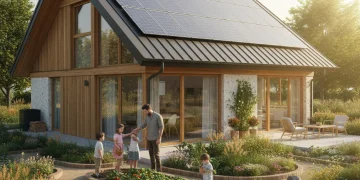
Sustainable Gardening 2026: Grow 50% More, Use Less Water

Anúncios
The world of gardening is constantly evolving, driven by a growing awareness of environmental challenges and the urgent need for sustainable practices. As we look towards 2026, the focus on sustainable gardening intensifies, pushing innovators and home growers alike to adopt methods that not only yield abundant harvests but also conserve precious resources, particularly water. This comprehensive guide delves into the insider knowledge and cutting-edge techniques that will empower you to grow up to 50% more produce while significantly reducing your water footprint. Get ready to transform your garden into a beacon of sustainability.
Anúncios
Sustainable Gardening 2026: Grow 50% More with Less Water – Insider Knowledge Revealed
Welcome to the future of gardening! The year 2026 marks a pivotal moment where sustainable practices are no longer just an option but a necessity. Climate change, water scarcity, and the desire for healthier, locally sourced food are reshaping how we approach our gardens. This article is your definitive resource for understanding and implementing the most effective strategies for sustainable gardening in 2026. We’ll explore innovative technologies, time-tested organic methods, and smart planning that will help you achieve unprecedented yields with minimal environmental impact. Our goal is to equip you with the knowledge to grow more, waste less, and cultivate a garden that thrives in harmony with nature.
Anúncios
The Urgency of Sustainable Gardening in 2026
The challenges facing our planet are undeniable. Water resources are under increasing strain, soil degradation is a global concern, and the demand for fresh, healthy food continues to rise. In this context, sustainable gardening 2026 isn’t just a trend; it’s a critical response. It’s about creating resilient food systems, protecting biodiversity, and fostering a deeper connection with the natural world. Traditional gardening methods, while often productive, can sometimes be resource-intensive. The shift towards sustainable practices means rethinking our approach, from seed selection to harvest, with an emphasis on long-term ecological balance.
For many, the idea of "sustainable gardening" might conjure images of complicated systems or reduced yields. However, the truth is quite the opposite. Modern sustainable gardening 2026 techniques are designed to be more efficient, often leading to healthier plants and more abundant harvests. By working with nature rather than against it, we can unlock the full potential of our gardens, creating spaces that are not only productive but also beautiful and ecologically sound. This article will break down the complexities, offering actionable insights for gardeners of all levels.
Mastering Water Conservation: The Core of Sustainable Gardening 2026
Water is the lifeblood of any garden, and its efficient use is paramount for sustainable gardening 2026. The goal is to maximize every drop, ensuring it reaches the plant roots where it’s needed most, rather than evaporating or running off. Achieving a 50% reduction in water usage while increasing yields might sound ambitious, but with the right strategies, it’s entirely achievable.
Smart Irrigation Systems: Precision at Your Fingertips
Gone are the days of indiscriminate hosing. In 2026, smart irrigation systems are a cornerstone of water-wise gardening. These systems utilize advanced technology to deliver water precisely where and when it’s needed. Here’s how they work:
- Drip Irrigation: This method delivers water directly to the plant’s root zone through a network of emitters, minimizing evaporation and runoff. It’s highly efficient and ideal for row crops, raised beds, and container gardens.
- Soaker Hoses: Similar to drip irrigation, soaker hoses release water slowly along their length, allowing it to permeate the soil gradually. They are excellent for established beds and hedges.
- Soil Moisture Sensors: These devices measure the moisture content in the soil and communicate with smart controllers. The system only waters when the soil moisture drops below a predefined threshold, preventing overwatering and ensuring optimal hydration.
- Weather-Based Controllers: Integrating with local weather forecasts, these controllers adjust watering schedules based on anticipated rainfall, temperature, and humidity. This prevents unnecessary watering after a downpour or during cooler periods.
- Rainwater Harvesting: Collecting rainwater from roofs and other surfaces into barrels or larger cisterns provides a free, chlorine-free water source for your garden. This significantly reduces reliance on municipal water supplies.
Implementing a combination of these technologies can dramatically reduce your water consumption. The initial investment might seem significant, but the long-term savings on water bills and the health of your garden make it a worthwhile endeavor for sustainable gardening 2026.

Mulching: Nature’s Water Retainer
Mulching is one of the simplest yet most effective techniques for water conservation. A layer of organic material applied to the soil surface acts as a protective blanket, offering multiple benefits for sustainable gardening 2026:
- Reduces Evaporation: Mulch shades the soil, keeping it cooler and significantly reducing the rate at which water evaporates from the soil surface.
- Suppresses Weeds: A thick layer of mulch prevents weed seeds from germinating and growing, reducing competition for water and nutrients.
- Improves Soil Health: As organic mulches decompose, they add valuable organic matter to the soil, improving its structure, water-holding capacity, and fertility.
- Regulates Soil Temperature: Mulch insulates the soil, keeping it warmer in winter and cooler in summer, which is beneficial for root development.
Effective mulching can reduce the need for watering by up to 30%. Common organic mulches include wood chips, straw, shredded leaves, and compost. For sustainable gardening 2026, prioritize locally sourced and sustainably produced mulching materials.
Optimizing Soil Health: The Foundation of Abundance
Healthy soil is the bedrock of productive and sustainable gardening 2026. It’s a living ecosystem, teeming with microorganisms that play a crucial role in nutrient cycling, water retention, and disease suppression. Focusing on soil health is key to growing 50% more with less water.
Composting: The Ultimate Soil Amendment
Composting kitchen scraps and garden waste transforms them into "black gold" – a nutrient-rich soil amendment that dramatically improves soil structure and fertility. Incorporating compost into your garden beds:
- Enhances Water Retention: Compost acts like a sponge, increasing the soil’s ability to hold moisture, reducing the frequency of watering.
- Improves Drainage: In heavy clay soils, compost helps to break up compaction, allowing for better drainage and aeration.
- Provides Essential Nutrients: Compost slowly releases a steady supply of nutrients, nourishing plants naturally and reducing the need for synthetic fertilizers.
- Boosts Microbial Activity: It introduces beneficial microorganisms to the soil, creating a thriving ecosystem that supports plant health.
For sustainable gardening 2026, make composting a central practice. It’s a closed-loop system that turns waste into a valuable resource, benefiting both your garden and the environment.
No-Till Gardening: Preserving Soil Structure
Traditional tilling, while seemingly beneficial, can disrupt the delicate soil structure and harm beneficial microorganisms. No-till gardening, also known as "no-dig," advocates for minimal soil disturbance. This approach for sustainable gardening 2026:
- Maintains Soil Structure: Preserves the intricate network of fungal hyphae and worm tunnels, which are essential for water infiltration and aeration.
- Increases Organic Matter: Encourages the accumulation of organic matter on the soil surface, further enhancing fertility and water retention.
- Reduces Erosion: Undisturbed soil is less prone to wind and water erosion, protecting valuable topsoil.
- Promotes Biodiversity: Fosters a healthier and more diverse soil microbiome.
By adopting no-till practices, you create a more stable and resilient soil environment, which is crucial for maximizing yields in sustainable gardening 2026.
Plant Selection and Placement: Growing Smarter
The plants you choose and where you place them significantly impact your garden’s water needs and overall productivity. Strategic plant selection is a key component of sustainable gardening 2026.
Choosing Drought-Tolerant Varieties
Opting for plants that naturally require less water is a straightforward way to conserve resources. Many native plants are inherently drought-tolerant, as they are adapted to local climatic conditions. Researching and selecting drought-resistant vegetable varieties and ornamental plants can make a substantial difference in your water consumption for sustainable gardening 2026.
Companion Planting: Nature’s Synergy
Companion planting involves growing specific plants together that benefit each other. This ancient practice offers numerous advantages for sustainable gardening 2026:
- Pest Deterrence: Certain plants repel common pests, reducing the need for chemical interventions.
- Attracting Beneficial Insects: Some plants attract pollinators and predatory insects that help control pest populations.
- Nutrient Cycling: Legumes, for example, fix nitrogen in the soil, enriching it for neighboring plants.
- Shade and Support: Taller plants can provide shade for more delicate, heat-sensitive crops, reducing water stress.
Research popular companion planting pairings (e.g., tomatoes and basil, corn and beans) to enhance your garden’s natural resilience and productivity.
Zoning Your Garden (Hydrozoning)
Grouping plants with similar water requirements together is called hydrozoning. This allows you to water different areas of your garden according to their specific needs, preventing overwatering of drought-tolerant plants and underwatering of thirsty ones. For sustainable gardening 2026, create distinct zones based on water needs, making your irrigation more efficient.
Advanced Techniques for Maximizing Yields in Sustainable Gardening 2026
Beyond the basics, several advanced techniques can further boost your garden’s productivity and resource efficiency. These methods are particularly relevant for achieving that 50% increase in yield with less water.
Vertical Gardening and Hydroponics/Aeroponics
Space is often a limiting factor, especially in urban environments. Vertical gardening allows you to grow upwards, maximizing your planting area. Hydroponics (growing plants in nutrient-rich water) and aeroponics (growing plants in a mist environment) take this a step further, offering incredible water efficiency and accelerated growth rates.
- Vertical Gardens: Utilize walls, trellises, and stacked planters to grow herbs, leafy greens, and even some fruiting plants. This not only saves space but can also create microclimates.
- Hydroponics: While requiring an initial setup, hydroponic systems can use up to 90% less water than traditional soil gardening, as water is recirculated. They offer precise control over nutrient delivery, leading to faster growth and higher yields.
- Aeroponics: An even more advanced form of hydroponics, aeroponics mists plant roots with nutrient-rich water, resulting in excellent oxygenation and rapid growth. It’s incredibly water-efficient.
These techniques are perfect for sustainable gardening 2026, especially for those with limited ground space or a desire for high-tech, high-yield solutions.

Permaculture Principles in Action
Permaculture is a design philosophy that mimics natural ecosystems to create self-sustaining and productive systems. Applying permaculture principles to your sustainable gardening 2026 efforts can lead to long-term resilience and reduced resource input:
- Observe and Interact: Understand your garden’s microclimates, sun exposure, and water flow.
- Catch and Store Energy: Utilize rainwater harvesting, solar energy, and biomass effectively.
- Obtain a Yield: Design your garden for maximum productivity.
- Apply Self-Regulation and Accept Feedback: Monitor your garden’s health and adapt your strategies.
- Use and Value Renewable Resources and Services: Prioritize natural processes and materials.
- Produce No Waste: Embrace composting, recycling, and upcycling.
- Design from Patterns to Details: Work with natural patterns rather than against them.
- Integrate Rather Than Segregate: Create beneficial relationships between different elements of your garden.
- Use Small and Slow Solutions: Start small, observe, and expand gradually.
- Use and Value Diversity: Plant a wide range of species to build resilience.
- Use Edges and Value the Marginal: Maximize the productivity of transition zones.
- Creatively Use and Respond to Change: Adapt to evolving conditions.
By integrating these principles, you build a garden that is inherently more sustainable, requiring less intervention and yielding more over time.
Pest and Disease Management: Eco-Friendly Solutions
A healthy garden is less susceptible to pests and diseases. For sustainable gardening 2026, the focus shifts from chemical eradication to prevention and natural control methods.
Building a Resilient Ecosystem
Encourage beneficial insects by planting a diverse range of flowering plants that provide nectar and pollen. Ladybugs, lacewings, and parasitic wasps are natural predators of common garden pests. Creating habitats for these insects can significantly reduce pest pressure.
Crop Rotation
Rotating your crops annually helps break pest and disease cycles that can build up in the soil. Different plant families have different nutrient requirements and are susceptible to different pathogens. By moving crops to new locations each season, you disrupt these cycles, leading to healthier plants and reduced need for intervention.
Organic Pest Control
When pest problems arise, opt for organic solutions. This includes hand-picking pests, using insecticidal soaps, neem oil, or introducing beneficial nematodes. These methods are targeted and don’t harm beneficial insects or contaminate your produce, aligning perfectly with sustainable gardening 2026 principles.
Community and Education: Spreading Sustainable Gardening 2026 Practices
The impact of sustainable gardening extends beyond individual plots. Sharing knowledge and fostering community engagement are vital for widespread adoption of these practices.
Local Initiatives and Workshops
Many communities are embracing sustainable gardening through communal gardens, workshops, and educational programs. Participate in or organize such initiatives to learn from experienced gardeners and share your own insights. These platforms are excellent for discussing challenges and finding local solutions relevant to sustainable gardening 2026.
Online Resources and Networks
The internet offers a wealth of information and opportunities to connect with fellow sustainable gardeners. Online forums, social media groups, and specialized blogs provide a platform for sharing tips, troubleshooting problems, and staying updated on the latest sustainable gardening 2026 innovations. Leverage these resources to continuously expand your knowledge and refine your practices.
The Economic Benefits of Sustainable Gardening 2026
Beyond the environmental advantages, sustainable gardening 2026 offers tangible economic benefits. Reducing water consumption directly translates to lower utility bills. By growing your own produce, you significantly cut down on grocery expenses. Furthermore, healthy, organic produce from your garden often tastes better and is more nutritious than store-bought alternatives, offering an invaluable return on your investment of time and effort.
The initial investment in smart irrigation or soil amendments might seem like an upfront cost, but consider the long-term savings. Less money spent on synthetic fertilizers, pesticides, and excessive watering quickly adds up. A resilient, productive garden also provides a sense of food security and reduces your carbon footprint by minimizing transportation needs for your food.
Challenges and Solutions in Sustainable Gardening 2026
While the benefits are clear, adopting sustainable gardening 2026 practices can present challenges. One common hurdle is the learning curve associated with new techniques and technologies. However, with abundant online resources, local gardening groups, and workshops, overcoming these challenges is more accessible than ever.
Another challenge can be the initial cost of setting up smart systems or acquiring specific drought-tolerant plants. Prioritize investments that offer the greatest long-term returns, such as good quality compost and efficient irrigation components. Start small, experiment, and gradually expand your sustainable practices. Every step towards sustainable gardening 2026, no matter how small, makes a difference.
Conclusion: Cultivating a Greener Future with Sustainable Gardening 2026
Sustainable gardening in 2026 is about more than just growing plants; it’s about cultivating a mindset of responsibility, innovation, and harmony with nature. By embracing smart water management, nurturing soil health, making informed plant choices, and utilizing advanced techniques, you can achieve a garden that is not only incredibly productive—growing 50% more produce—but also remarkably efficient in its use of resources, especially water. The insider knowledge shared in this guide provides a roadmap for transforming your garden into a thriving, eco-friendly oasis. Join the movement, dig in, and be a part of the solution for a greener, more sustainable future. Your garden, your community, and the planet will thank you.