US Airline Passenger Rights 2026: Claiming Up To $1,350 for Delays and Cancellations
Anúncios
Understanding Your US Airline Passenger Rights in 2026: Claiming Up To $1,350 for Delays and Cancellations
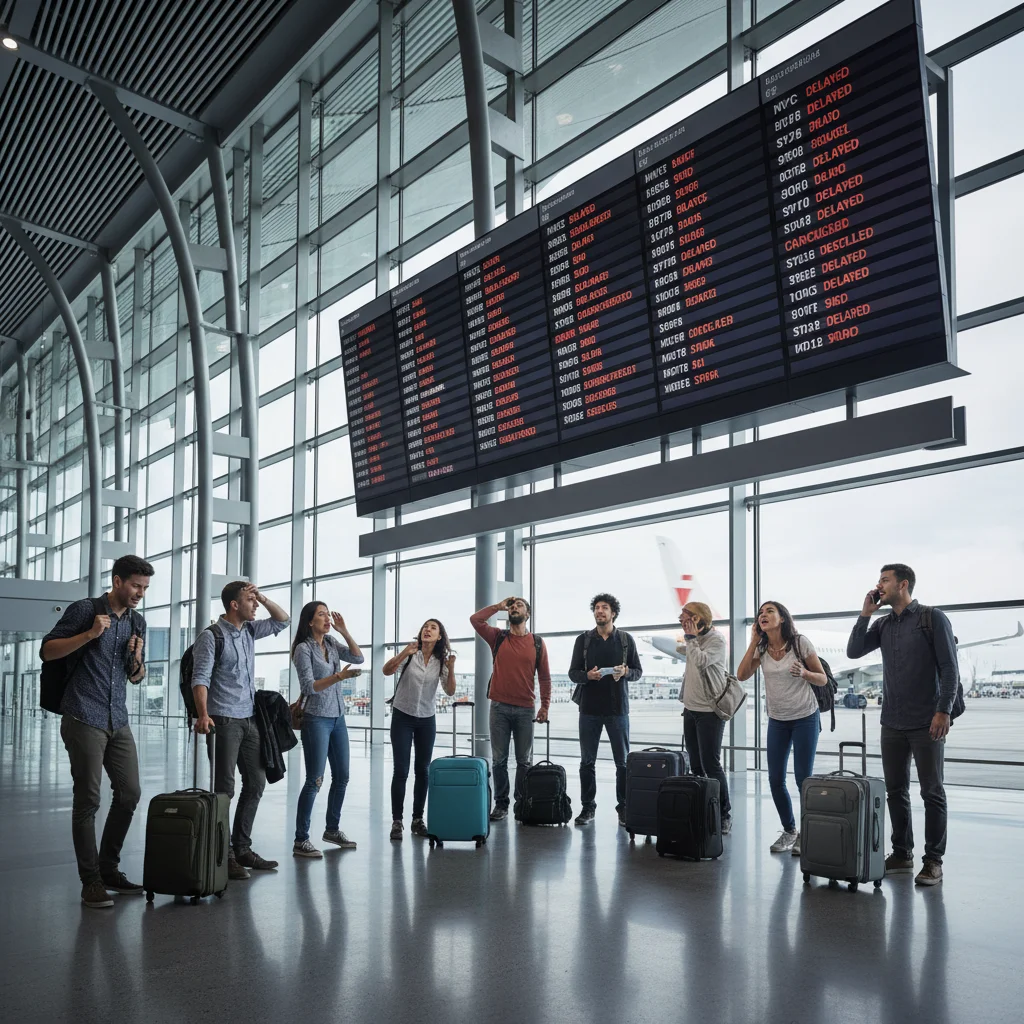
Air travel, while an incredible convenience, often comes with its share of uncertainties. Flight delays and cancellations can turn an exciting journey into a stressful ordeal. For passengers in the United States, understanding your rights is paramount, especially as regulations and airline policies evolve. This comprehensive guide will delve into the intricacies of US airline passenger rights in 2026, focusing on what you’re entitled to when your travel plans go awry due to delays or cancellations, and how you might be able to claim up to $1,350 in compensation.
The landscape of air travel is dynamic, with continuous adjustments to ensure passenger safety and satisfaction. However, even with the best intentions, disruptions are inevitable. Knowing your entitlements can significantly mitigate the negative impact of such events, transforming a potentially disastrous situation into a manageable one. This article aims to empower you with the knowledge needed to navigate these situations effectively, ensuring you’re well-prepared for any unforeseen circumstances on your next flight.
Anúncios
The Foundation of US Airline Rights: Department of Transportation (DOT) Regulations
Unlike some other regions, the United States does not have a single, overarching regulation that mandates compensation for all flight delays and cancellations. Instead, US airline rights are primarily governed by a patchwork of Department of Transportation (DOT) regulations, individual airline contracts of carriage, and a general expectation of reasonable care. This distinction is crucial, as it means the specifics of your entitlements can vary significantly depending on the airline and the circumstances of the disruption.
Anúncios
The DOT plays a vital role in overseeing air travel consumer protection. While they don’t dictate specific monetary compensation for most delays, they do enforce rules regarding tarmac delays, denied boarding (bumping), and baggage issues. Furthermore, the DOT actively monitors airline practices and intervenes when consumer protection laws are violated. Understanding the DOT’s role helps set realistic expectations for what you can claim under US airline rights.
Key DOT Regulations Impacting Your Travel
- Tarmac Delay Rule: This rule prevents airlines from keeping passengers on the tarmac for extended periods. For domestic flights, the limit is three hours, and for international flights, it’s four hours. If these limits are exceeded, airlines must return to the gate to allow passengers to deplane. Violations can lead to significant fines for airlines.
- Denied Boarding Compensation: If you are involuntarily bumped from an oversold flight, the DOT mandates that airlines must compensate you. This compensation can be substantial, often up to 400% of the one-way fare, capped at $1,550 for domestic flights and $1,550 for international flights, depending on the length of the delay in getting you to your destination.
- Baggage Liability: The DOT sets limits on airline liability for lost, damaged, or delayed baggage. For domestic flights, this limit is currently around $3,800 per passenger. For international flights, it’s governed by the Montreal Convention, which sets a limit of approximately $1,700 (1,288 Special Drawing Rights).
- Refunds for Canceled or Significantly Delayed Flights: While there’s no blanket compensation for delays, the DOT does require airlines to provide a refund for a canceled flight or a significantly delayed flight if the passenger chooses not to travel. This applies regardless of the reason for the cancellation or delay, including weather.
Understanding Flight Delays: What Are Your US Airline Rights?
Flight delays are a common occurrence, ranging from a few minutes to several hours. The extent of your entitlements for delays largely depends on the length of the delay and the reason behind it. Unlike the European Union’s EC 261 regulation, which offers fixed compensation for delays over three hours, US airline rights for delays are less prescriptive and more reliant on airline policies and the contract of carriage.
Minor Delays (Under 3 Hours)
For minor delays, airlines are generally not obligated to provide compensation. However, many airlines, as a gesture of goodwill or to maintain customer loyalty, might offer amenities like refreshment vouchers if the delay occurs during meal times. It’s always worth politely asking an airline representative about available options.
Significant Delays (3+ Hours)
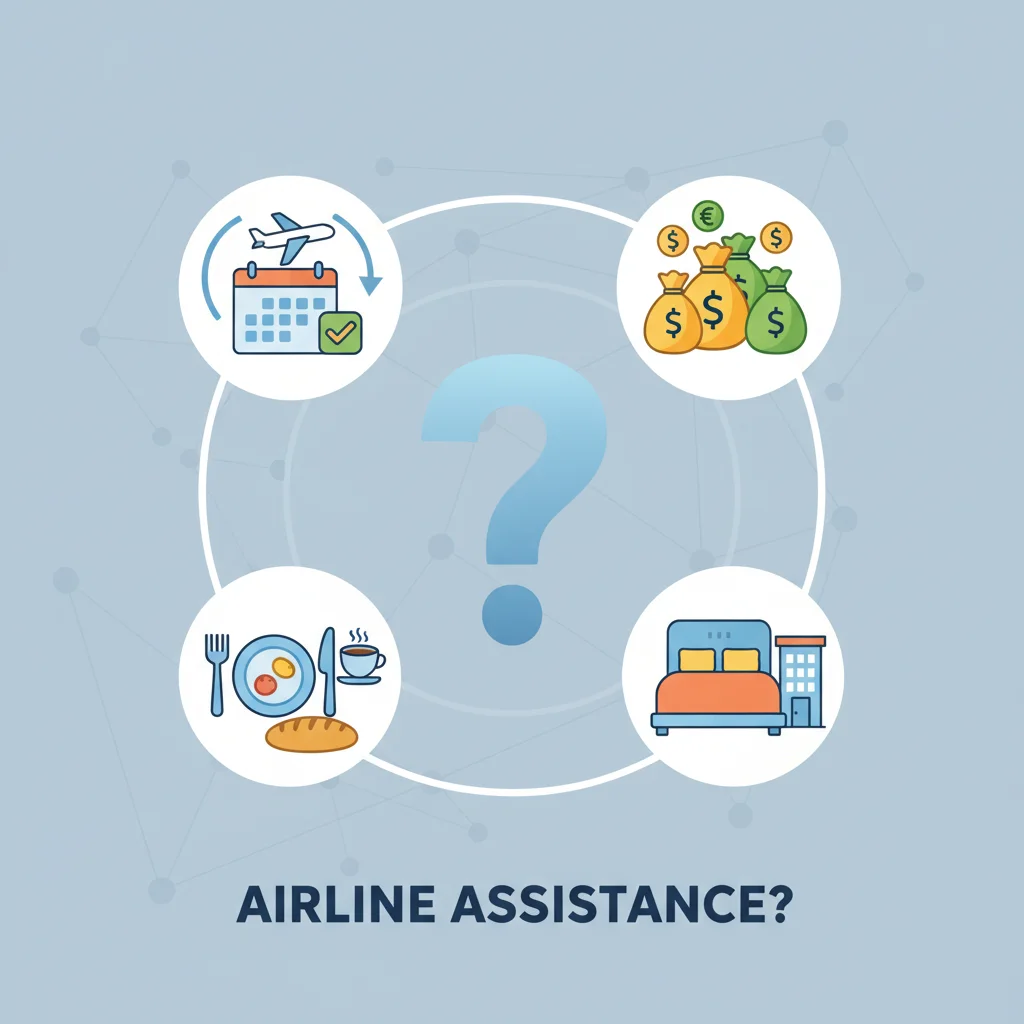
When delays become significant, especially those extending beyond three hours, your US airline rights begin to solidify, though still primarily through the airline’s own policies. While the DOT doesn’t mandate specific monetary compensation for these delays (unless it’s a tarmac delay), airlines are expected to provide certain services:
- Food and Drink: Many airlines will offer meal vouchers or provide food and beverages for delays exceeding a certain duration (e.g., 3-4 hours), especially if the delay extends over a mealtime.
- Accommodation: If an overnight delay is necessary due to the airline’s fault (e.g., mechanical issues, crew shortage), airlines are generally expected to provide hotel accommodation and transportation to and from the hotel. This is usually not the case for delays caused by weather or air traffic control.
- Rebooking: Airlines are obligated to rebook you on the next available flight to your destination at no additional cost. This might be on their own airline or, in some cases, on a partner airline.
It’s crucial to remember that these provisions are often outlined in the airline’s contract of carriage, which is the legal agreement between you and the airline. Familiarizing yourself with this document, particularly the sections on delays and cancellations, can be incredibly beneficial.
Flight Cancellations: Your US Airline Rights and Compensation
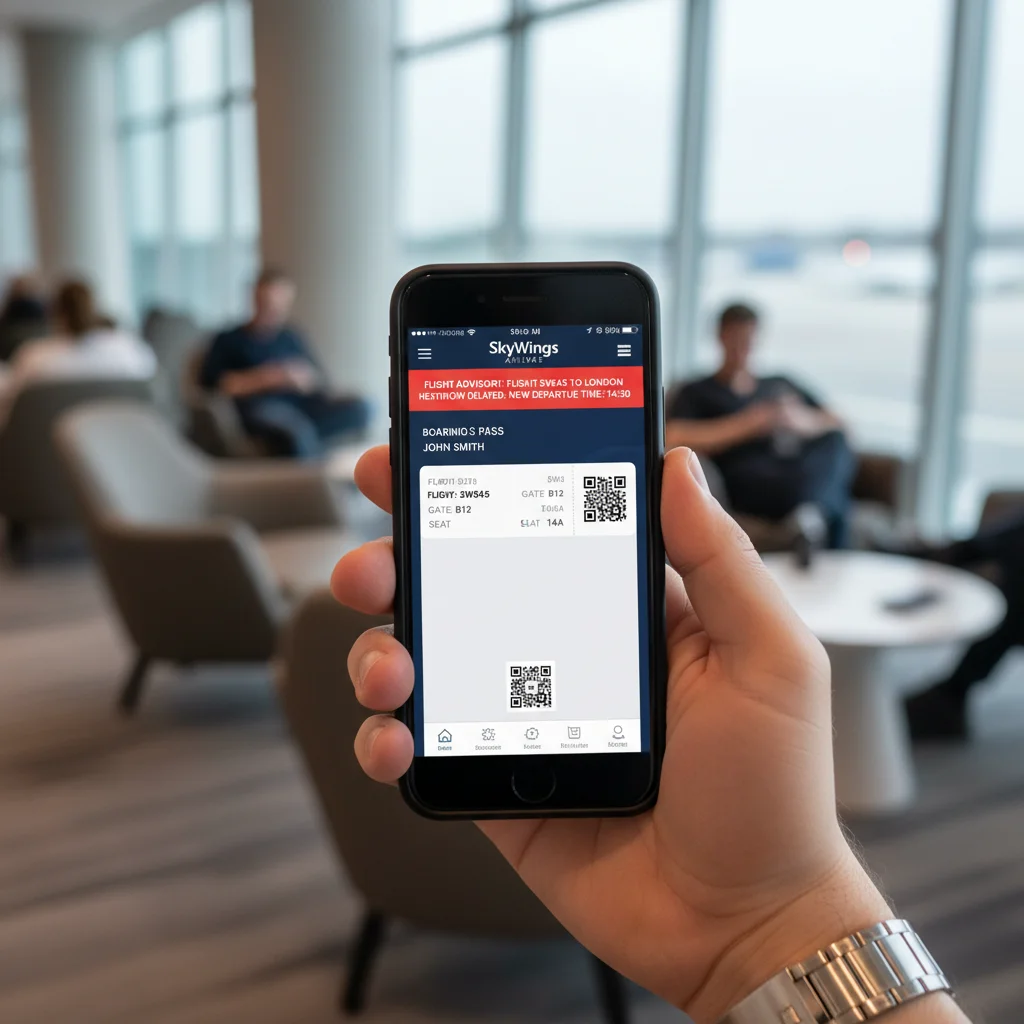
Flight cancellations are arguably more disruptive than delays, often requiring a complete overhaul of travel plans. In the event of a cancellation, your US airline rights are generally stronger, especially concerning refunds and rebooking.
Airline-Caused Cancellations
If your flight is canceled due to reasons within the airline’s control (e.g., mechanical issues, crew shortages, operational decisions), you have several options:
- Full Refund: You are entitled to a full refund for the unused portion of your ticket, including any ancillary fees (e.g., baggage fees, seat selection fees), even if you have a non-refundable ticket. This is a DOT mandate.
- Rebooking: The airline must rebook you on the next available flight to your destination at no additional cost. This could be on their own airline or a partner airline. They should also consider alternative transportation if air travel is not feasible or significantly delayed.
- Accommodation and Meals: Similar to significant delays, if an overnight stay is required due to an airline-caused cancellation, the airline is generally expected to provide hotel accommodation and meal vouchers.
Weather-Related or Air Traffic Control Cancellations
When cancellations are due to circumstances outside the airline’s control, such as severe weather or air traffic control restrictions, your rights are somewhat different:
- Full Refund: You are still entitled to a full refund if you choose not to travel, even if your ticket is non-refundable. This is a crucial aspect of US airline rights.
- Rebooking: The airline will rebook you on the next available flight, but they are generally not obligated to cover accommodation or meals. However, many airlines will still offer assistance as a customer service gesture, so it’s always worth inquiring.
The Potential for Up To $1,350: Denied Boarding Compensation
The most straightforward path to significant monetary compensation under US airline rights is through involuntary denied boarding, often referred to as "bumping." This occurs when an airline oversells a flight and more passengers show up than there are seats available. Airlines are required to first ask for volunteers to give up their seats in exchange for compensation (e.g., vouchers, cash). If there aren’t enough volunteers, passengers are involuntarily denied boarding.
How Denied Boarding Compensation Works:
The DOT sets clear rules for this:
- No Compensation if Reached within 1 Hour: If the airline can get you to your destination within one hour of your original arrival time, no compensation is required.
- 200% of One-Way Fare (1-4 Hour Delay): If the airline gets you to your destination between one and four hours (domestic) or one and four hours (international) after your original arrival time, you are entitled to 200% of your one-way fare, with a maximum of $775.
- 400% of One-Way Fare (Over 4 Hour Delay): If the airline cannot get you to your destination within four hours (domestic) or four hours (international) of your original arrival time, you are entitled to 400% of your one-way fare, with a maximum of $1,550.
It’s important to note that the $1,350 figure mentioned in the title is a conservative estimate, as the maximum can go up to $1,550 depending on the fare and delay duration. This compensation is typically paid in cash or check, though airlines may offer vouchers of higher value. You have the right to demand cash or a check. Always be aware of your US airline rights in these situations.
Seeking Compensation Beyond DOT Regulations: Airline Contract of Carriage
While DOT regulations provide a baseline, the airline’s contract of carriage is your most detailed resource for understanding specific policies regarding delays, cancellations, and other disruptions. This legally binding document outlines the terms and conditions of your travel, including what the airline will and will not provide in various scenarios. It covers:
- Definition of "Significant Delay": Some airlines define what constitutes a "significant delay" that triggers certain benefits (e.g., meal vouchers, hotel stays).
- Rebooking Policies: Details on how they will rebook you, including whether they will book you on another airline.
- Voucher Policies: Information on when and what kind of vouchers (meal, hotel, future travel credit) they may provide.
- Limits of Liability: Information on their liability for baggage, schedule changes, and other unforeseen events.
It’s highly recommended to review the contract of carriage for your specific airline, especially before a long or important trip. This document, though often lengthy, is usually available on the airline’s website.
Proactive Steps to Take When Your Flight is Disrupted
Knowing your US airline rights is one thing; effectively asserting them is another. Here are proactive steps you can take:
- Stay Informed: Monitor your flight status regularly through the airline’s app, website, or airport screens. Sign up for flight alerts.
- Communicate with the Airline: As soon as you know about a disruption, speak to an airline representative. Be polite but firm about your rights. Document names and times.
- Keep Records: Save all boarding passes, ticket receipts, and any communication with the airline (emails, text messages). Take photos of airport screens showing delays or cancellations. Keep receipts for any unexpected expenses (food, accommodation) you incur.
- Know the Reason: Ask the airline for the specific reason for the delay or cancellation. This is crucial for determining your entitlements.
- Explore Rebooking Options: Don’t just accept the first rebooking offer. Ask about alternative flights, including those on partner airlines, or even flights from nearby airports if feasible.
- Consider Your Refund Option: If the delay is significant or the flight is canceled and you no longer wish to travel, remember you are entitled to a full refund, even on a non-refundable ticket.
The Role of Travel Insurance and Credit Card Benefits
Beyond your US airline rights, travel insurance and certain credit cards can offer additional layers of protection and compensation. These can be particularly valuable for delays and cancellations not covered by DOT regulations or airline policies.
Travel Insurance
Many travel insurance policies include coverage for:
- Trip Delay: Reimburses you for reasonable expenses (meals, accommodation, toiletries) incurred due to a covered delay (often 3-6 hours, depending on the policy).
- Trip Cancellation/Interruption: Provides reimbursement for non-refundable expenses if your trip is canceled or cut short due to a covered reason (e.g., severe weather, illness).
- Lost/Delayed Baggage: Offers additional coverage beyond airline liability limits for lost or delayed luggage.
Always read the policy carefully to understand what is covered, the deductibles, and the claims process. Travel insurance can bridge the gaps in US airline rights, offering peace of mind.
Credit Card Benefits
Many premium travel credit cards offer built-in travel protection benefits, including:
- Trip Delay Insurance: Similar to travel insurance, this can cover expenses for delays exceeding a certain time frame.
- Trip Cancellation/Interruption Insurance: Provides coverage for non-refundable expenses.
- Baggage Delay/Loss Coverage: Offers reimbursement for essential items if your luggage is delayed, or for the value of lost items.
Check with your credit card provider to understand the specific benefits, coverage limits, and any requirements for activation (e.g., paying for the trip with that card). These benefits can often supplement or even exceed what airlines are obligated to provide under US airline rights.
When to File a Complaint with the DOT
If you believe an airline has violated your US airline rights or failed to provide the services they are obligated to, you can file a complaint with the Department of Transportation’s Aviation Consumer Protection Division (ACPD). While the DOT does not resolve individual complaints, they do investigate patterns of complaints and can take enforcement action against airlines that repeatedly violate regulations.
Filing a complaint also serves to document issues and can sometimes prompt the airline to resolve your specific problem, as they are required to respond to DOT inquiries. It’s an important avenue for accountability and ensuring that airlines adhere to their commitments and the established US airline rights.
Looking Ahead to 2026: Anticipated Changes and Trends
The aviation industry is constantly evolving, and 2026 may bring further refinements to US airline rights. While major legislative overhauls are less frequent, there’s an ongoing push for greater transparency and consumer protection.
- Increased Scrutiny on Ancillary Fees: The DOT has been focusing on ensuring transparency around ancillary fees (baggage, seat selection, change fees). Expect continued efforts to make these costs clearer upfront.
- Refund Rules Enforcement: Post-pandemic, there has been a heightened emphasis on airlines providing timely refunds for canceled or significantly delayed flights. This focus is likely to continue, reinforcing a key aspect of US airline rights.
- Technological Advancements: Airlines are investing in technology to improve communication during disruptions, offering real-time updates and self-service rebooking options, which can help passengers manage their travel more effectively.
- Potential for New Legislation: While not guaranteed, consumer advocacy groups consistently lobby for stronger passenger protection laws, potentially moving towards a more comprehensive compensation model similar to the EU for significant delays and cancellations. Keeping an eye on legislative developments is always wise.
Staying informed about these potential changes will be key to fully leveraging your US airline rights in the future.
Conclusion: Empowering Your Air Travel Experience
Navigating the complexities of air travel disruptions can be daunting, but armed with a clear understanding of your US airline rights, you can approach these situations with confidence. From the fundamental DOT regulations on tarmac delays and denied boarding to the specifics outlined in each airline’s contract of carriage, knowing your entitlements is your best defense against travel headaches. Remember that while direct monetary compensation for delays is not as common as in other regions, the right to refunds, rebooking, and in some cases, hotel accommodations, are firm aspects of your rights.
For those rare but impactful involuntary denied boarding situations, the potential to claim up to $1,550 in compensation provides a significant safety net. Coupled with the additional protection offered by travel insurance and credit card benefits, you can create a robust plan for any travel disruption. By staying informed, communicating effectively with airlines, and meticulously documenting your experiences, you empower yourself to demand what you’re owed and ensure a smoother journey, even when the unexpected occurs. Travel smart, travel informed, and make the most of your US airline rights in 2026 and beyond.


