Maximize Your Savings: Federal Tax Credits for Solar Panels Up to 30% in 2026

Anúncios
Maximize Your Savings: Federal Tax Credits for Solar Panels Up to 30% in 2026
As the world increasingly shifts towards sustainable energy, homeowners across the United States are discovering the immense benefits of going solar. Beyond the environmental advantages and reduced electricity bills, there’s a powerful financial incentive making solar more accessible than ever: the federal solar panel tax credit. For those considering an installation in 2026, the news is particularly exciting, with potential savings of up to 30% of your total system cost.
Anúncios
This comprehensive guide will delve deep into the nuances of the federal solar panel tax credit, officially known as the Investment Tax Credit (ITC). We’ll cover what it is, who qualifies, how to claim it, and why 2026 presents a golden opportunity to invest in renewable energy for your home. Understanding this crucial incentive can significantly reduce the upfront cost of your solar system, making clean energy an even more attractive and affordable option.
Anúncios
Understanding the Federal Solar Panel Tax Credit (ITC)
The Investment Tax Credit (ITC) has been a cornerstone of federal policy designed to encourage renewable energy adoption. Initially established in 2005, it has been instrumental in the exponential growth of solar energy across the nation. At its core, the ITC allows you to deduct a percentage of the cost of installing a solar energy system from your federal income taxes. This isn’t just a deduction from your taxable income; it’s a direct dollar-for-dollar reduction of the amount of tax you owe.
For installations completed in 2026, the solar panel tax credit is set at a generous 30%. This means if your solar system costs $20,000, you could claim a $6,000 credit on your federal taxes. This significant incentive dramatically improves the return on investment for homeowners, often shortening the payback period for a solar installation and increasing the overall financial benefit.
It’s important to differentiate the ITC from other types of tax incentives. Unlike a tax deduction, which reduces your taxable income, a tax credit directly reduces your tax liability. If you owe $10,000 in taxes and have a $6,000 tax credit, your new tax liability becomes $4,000. If your credit exceeds your tax liability in a given year, the unused portion can often be carried forward to future tax years, ensuring you don’t lose out on the benefit.
The ITC applies to both residential and commercial solar energy systems, though this article focuses primarily on residential benefits. The credit covers not only the solar panels themselves but also associated costs such as installation, labor, wiring, inverters, mounting equipment, and even certain storage devices like solar batteries when installed with a solar system. This comprehensive coverage ensures that the entire investment in your home’s energy independence is recognized and incentivized.
Why 2026 is a Crucial Year for Solar Investments
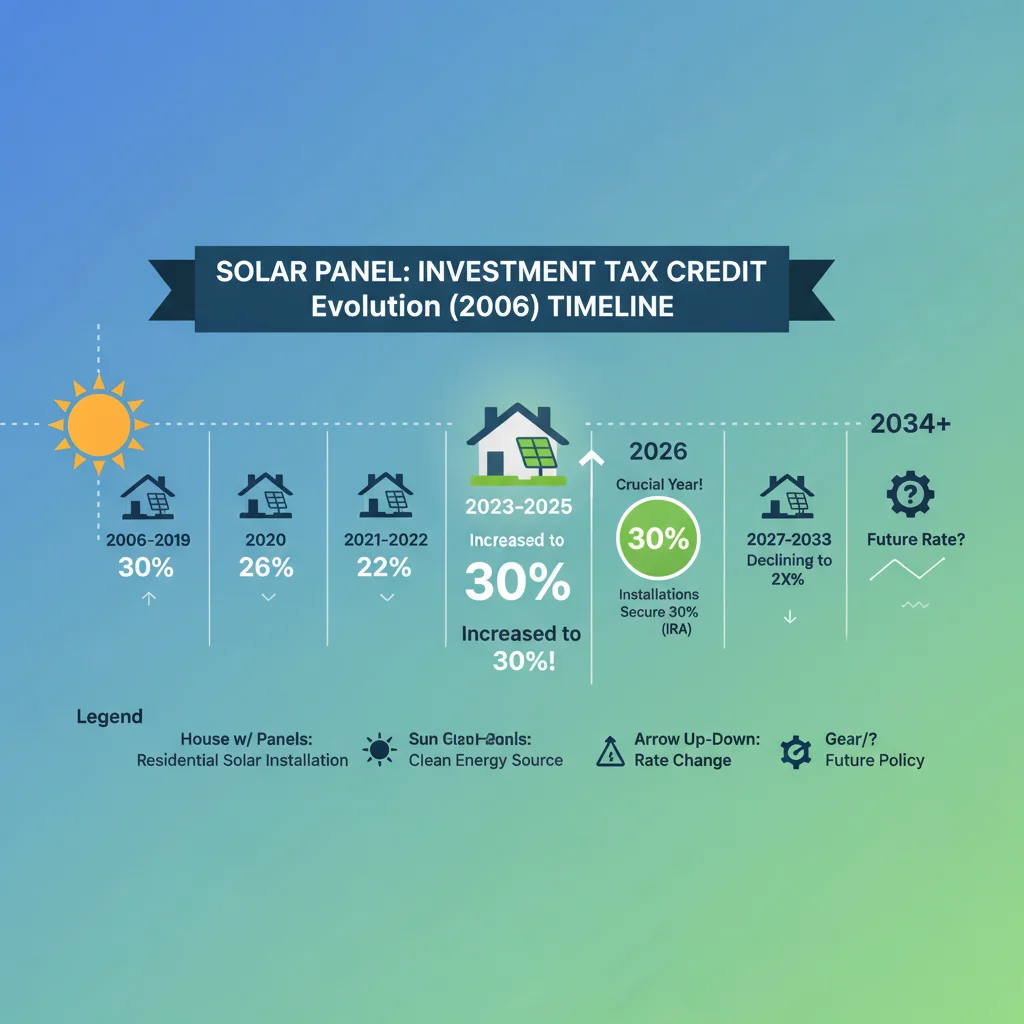
The current structure of the solar panel tax credit has seen various adjustments over the years. Following an extension and enhancement under the Inflation Reduction Act of 2022, the ITC was boosted back to 30% for systems installed from 2022 through 2032. This means that 2026 falls squarely within this prime window for maximizing your savings.
While the 30% rate is locked in for several years, understanding the long-term schedule is vital for future planning. After 2032, the credit is scheduled to step down:
- 2022-2032: 30%
- 2033: 26%
- 2034: 22%
- 2035 and beyond: Residential credit expires, commercial credit remains at 10%
This schedule underscores why making a move in 2026 is particularly advantageous. You are capturing the maximum available credit, which is a substantial percentage of your total system cost. Waiting could mean missing out on thousands of dollars in potential savings as the credit begins to phase down. The stability of the 30% rate for the next few years provides a clear incentive and a predictable financial landscape for homeowners considering solar.
Beyond the direct financial incentive, 2026 also aligns with broader trends in renewable energy. Technology continues to advance, making solar panels more efficient and affordable. Installation processes are becoming streamlined, and the market for solar components is robust. By investing now, you’re not only leveraging the best available federal incentive but also tapping into a mature and continuously improving industry.
Furthermore, the increased focus on energy independence and resilience, especially in the face of fluctuating energy prices and grid vulnerabilities, makes solar an increasingly practical choice. The solar panel tax credit helps to bridge the initial cost gap, making these long-term benefits accessible to a wider range of homeowners.
Who Qualifies for the Federal Solar Panel Tax Credit?
Eligibility for the federal solar panel tax credit is relatively straightforward, but there are a few key criteria to meet:
- Homeownership: You must own your home where the solar system is installed. The credit applies to primary residences, secondary residences, and even rental properties you own (though the rules for rental properties can be more complex and are typically covered under commercial ITC rules).
- New or Original Installation: The solar energy system must be new or used for the first time. This means you can’t claim the credit for a system that was previously installed and used by someone else.
- Location: The system must be installed on a home located in the United States.
- System Type: The credit applies to solar photovoltaic (PV) systems that generate electricity for your home. It also includes solar water heaters certified by the Solar Rating Certification Corporation (SRCC) or a comparable entity, provided at least half of the energy used to heat water is derived from the sun.
- Ownership of the System: To claim the credit, you must own the solar energy system. This is a critical distinction. If you lease solar panels or have a power purchase agreement (PPA) where you pay for the electricity generated but don’t own the equipment, you are generally not eligible for the ITC. The company that owns the system (the lessor or PPA provider) would typically claim the commercial ITC.
- Sufficient Tax Liability: While the credit is non-refundable, meaning it won’t result in a refund check if it brings your tax liability below zero, any unused portion can be carried forward to subsequent tax years. This ensures that even if you don’t owe enough in taxes in the year of installation to use the full credit, you can still benefit from it in the future.
It’s important to note that there are no income limitations to qualify for the federal solar panel tax credit. Whether you are a high-income earner or have a more modest income, you are eligible for the same 30% credit, provided you meet the other criteria. This broad applicability makes the ITC a powerful tool for promoting solar adoption across diverse economic backgrounds.
What Costs Are Included in the Solar Panel Tax Credit?
The 30% solar panel tax credit applies to the total cost of your solar energy system, which includes a wide range of expenses beyond just the panels themselves. Understanding what’s covered can help you accurately calculate your potential savings:
- Solar PV Panels: The cost of the photovoltaic cells or panels that convert sunlight into electricity.
- Installation and Labor Costs: This includes all labor costs for on-site preparation, assembly, and installation of the system.
- Balance-of-System Equipment: Inverters (which convert DC electricity from panels to AC electricity for your home), wiring, mounting hardware, and other necessary components.
- Permitting Fees: Any fees associated with securing necessary permits for your solar installation.
- Inspection Costs: Fees for inspections required by local authorities.
- Sales Tax: The sales tax paid on the eligible solar equipment.
- Energy Storage Devices (Batteries): Importantly, the ITC also covers the cost of energy storage devices (like solar batteries) with a capacity of at least 3 kilowatt-hours, provided they are installed in conjunction with your solar PV system or charged exclusively by the solar PV system. This inclusion significantly enhances the value of the credit, especially for homeowners looking to maximize self-consumption and energy resilience.
It’s crucial to keep meticulous records of all expenses related to your solar installation, as these will be necessary when you file your taxes. Your solar installer should provide you with a detailed invoice outlining all covered costs, which will be invaluable for claiming the credit accurately.
How to Claim Your Federal Solar Panel Tax Credit
Claiming the federal solar panel tax credit is a relatively straightforward process, but it requires careful attention to detail during tax season. Here’s a step-by-step guide:
- Install Your Solar System: The first step is to have your eligible solar energy system installed and operational. The credit is claimed in the tax year the installation is completed.
- Keep Records: Retain all documentation related to your solar purchase and installation. This includes invoices, receipts, contracts, and any other paperwork detailing the cost of the system and its components.
- Fill Out IRS Form 5695: When you file your federal income tax return, you’ll need to complete IRS Form 5695, titled ‘Residential Energy Credits.’ This form is used to calculate and claim various residential energy credits, including the solar ITC.
- Calculate Your Credit: On Form 5695, you will enter the total cost of your eligible solar energy system. The form will guide you through calculating the 30% credit.
- Transfer to Form 1040: The calculated credit from Form 5695 will then be transferred to your Form 1040 (U.S. Individual Income Tax Return) to directly reduce your tax liability.
- Carry Forward Unused Credit: If your calculated solar panel tax credit is greater than the amount of tax you owe in the year of installation, the unused portion can typically be carried forward to the following tax year(s) until it is fully utilized or the credit expires. The instructions for Form 5695 will provide guidance on how to carry forward the unused credit.
While the process is designed to be accessible, consulting with a tax professional is always recommended, especially if you have a complex tax situation or questions about specific eligibility requirements. A tax advisor can ensure you correctly calculate your credit and take full advantage of the savings available.

Beyond the Federal Credit: State and Local Incentives
While the federal solar panel tax credit is the most significant incentive for homeowners, it’s crucial not to overlook potential state and local programs that can further reduce the cost of going solar. These incentives vary widely by location and can include:
- State Tax Credits: Many states offer their own tax credits for solar installations, which can be claimed in addition to the federal ITC. These credits can be a fixed amount or a percentage of the system cost.
- Property Tax Exemptions: Some states and municipalities exempt the added value of a solar energy system from property tax assessments. This means you won’t pay higher property taxes even though your home’s value has increased due to solar.
- Sales Tax Exemptions: A number of states offer sales tax exemptions on solar equipment, reducing the upfront purchase price.
- Rebates: Local utilities or state energy programs sometimes offer direct cash rebates for installing solar panels. These are typically paid out after the system is installed and inspected.
- Solar Renewable Energy Credits (SRECs): In some states, homeowners can earn SRECs for the clean electricity their solar panels generate. These credits can then be sold on a market, providing an additional revenue stream.
To find out what incentives are available in your specific area, resources like the Database of State Incentives for Renewables & Efficiency (DSIRE) are invaluable. This comprehensive database provides detailed information on federal, state, and local incentives and policies that promote renewable energy and energy efficiency. Always check DSIRE or consult with a local solar installer who is knowledgeable about regional programs.
The Long-Term Benefits of Investing in Solar with the Tax Credit
The federal solar panel tax credit makes the initial investment in solar significantly more palatable, but the benefits extend far beyond the immediate tax savings. Going solar offers a multitude of long-term advantages for homeowners:
- Reduced or Eliminated Electricity Bills: This is often the primary driver for homeowners. Generating your own electricity significantly reduces your reliance on the grid and can lead to drastically lower, or even zero, electricity bills. Over the lifespan of your system (typically 25-30 years), these savings accumulate to a substantial amount.
- Increased Home Value: Homes with solar panel systems consistently sell for more and faster than homes without them. Studies have shown that solar adds significant value to a property, making it an excellent home improvement investment.
- Environmental Impact: By generating clean, renewable energy, you reduce your carbon footprint and contribute to a healthier planet. This aspect is increasingly important for environmentally conscious homeowners.
- Energy Independence and Grid Resilience: With solar, you’re less vulnerable to utility rate hikes and power outages. Adding a battery storage system further enhances this independence, providing backup power during grid disruptions.
- Protection Against Rising Energy Costs: Utility rates have historically increased over time. By locking in your electricity costs with a solar system, you gain predictability and protection against future price volatility.
- Low Maintenance: Modern solar panels are incredibly durable and require very little maintenance, usually just an occasional cleaning.
When you factor in the 30% federal solar panel tax credit, these long-term benefits become even more compelling. The credit effectively reduces the cost of entry, allowing you to start realizing these advantages sooner and with a greater return on your investment.
Common Misconceptions About the Solar Panel Tax Credit
Despite its popularity, there are still some common misunderstandings about the solar panel tax credit:
- It’s a Rebate: Many people confuse the ITC with a direct cash rebate. It’s not. It’s a credit that reduces your federal income tax liability. You must owe taxes to benefit from it, though unused portions can be carried forward.
- It’s Only for Rich People: As mentioned, there are no income restrictions for the ITC. Anyone who owns an eligible solar system and has a federal tax liability can claim it.
- It’s Going Away Soon: While the credit will eventually phase down, the 30% rate is secure through 2032. This provides ample time for homeowners to plan and install their systems.
- It Covers Leased Systems: The credit is only for systems that you own. If you lease your solar panels or enter into a PPA, the company owning the system claims the commercial ITC.
- It’s Difficult to Claim: While it requires filling out a specific IRS form (Form 5695), the process is generally straightforward, especially with the help of tax software or a tax professional.
Dispelling these myths is crucial for homeowners to make informed decisions and fully leverage the financial opportunities presented by the federal solar panel tax credit.
Choosing the Right Solar Installer
To maximize your benefits from the federal solar panel tax credit and ensure a smooth installation process, choosing a reputable and experienced solar installer is paramount. Here are key factors to consider:
- Experience and Reputation: Look for installers with a proven track record, positive customer reviews, and relevant certifications.
- Licensing and Insurance: Ensure the installer is properly licensed and insured in your state.
- Product Quality: Inquire about the brands and types of solar panels and inverters they use. High-quality components offer better efficiency and longevity.
- Warranty Information: Understand the warranties offered on equipment (panels, inverters) and workmanship.
- Financing Options: Discuss available financing options, including loans and leases, though remember that for the ITC, you must own the system.
- Knowledge of Incentives: A good installer will be knowledgeable about both federal and local incentives and can help you understand how to qualify.
- Customer Service: Assess their responsiveness and willingness to answer all your questions thoroughly.
Getting multiple quotes from different installers is always a wise strategy. This allows you to compare pricing, equipment, warranties, and proposed system designs, ultimately helping you make the best decision for your home and budget, while also ensuring you get the most out of the solar panel tax credit.
The Future of Solar Energy and Tax Credits
The commitment to the solar panel tax credit through 2032, with its generous 30% rate, signals a strong federal dedication to renewable energy. This stability provides a clear runway for homeowners and the solar industry to continue driving innovation and adoption. While the residential credit is set to expire after 2034, the possibility of future extensions or new incentive programs always exists, given the ongoing push for decarbonization and energy independence.
Technological advancements are also continually improving the efficiency, aesthetics, and integration of solar energy systems. We can anticipate even more sophisticated solar panels, improved battery storage solutions, and smarter home energy management systems. These innovations, combined with robust financial incentives like the ITC, paint a very bright future for residential solar.
Conclusion: Seize the 30% Solar Panel Tax Credit Opportunity in 2026
The federal solar panel tax credit for 2026 presents an unparalleled opportunity for homeowners to invest in a sustainable future while realizing substantial financial savings. With a generous 30% credit available, there has never been a better time to consider transitioning to solar energy.
By understanding the eligibility requirements, the covered costs, and the simple process of claiming the credit, you can confidently move forward with your solar project. Combine this federal incentive with potential state and local programs, and the financial case for solar becomes overwhelmingly positive.
Embrace the power of the sun, reduce your utility bills, increase your home’s value, and contribute to a cleaner environment. The 30% solar panel tax credit is your key to unlocking these benefits. Don’t wait for the incentives to diminish; start planning your solar installation today and secure your savings for years to come.