Geothermal Heating & Cooling Systems: Top 3 for US Homes in 2026
Anúncios
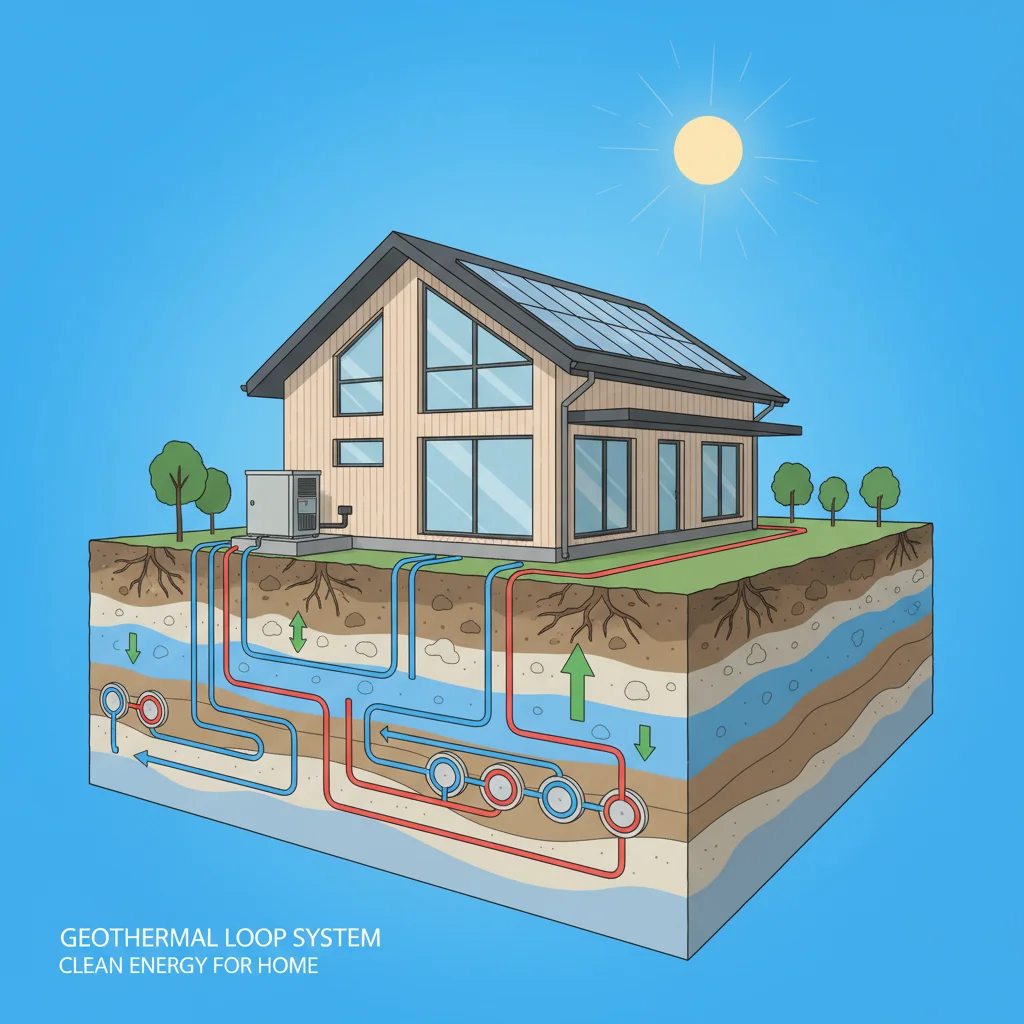
As we navigate October 2026, the demand for sustainable and energy-efficient home solutions continues to soar. Among the myriad options available, geothermal heating systems stand out as a premier choice for homeowners looking to significantly reduce their carbon footprint and energy bills. These innovative systems harness the stable temperature of the earth to provide consistent heating and cooling, offering an eco-friendly alternative to traditional HVAC units. This comprehensive guide will delve into the top three geothermal heating and cooling systems currently dominating the US market, providing an in-depth analysis of their functionality, benefits, costs, and suitability for various home types. Understanding these nuances is crucial for making an informed decision that aligns with your home’s needs and your long-term financial and environmental goals.
Anúncios
The concept behind geothermal heating systems is elegantly simple: the earth maintains a relatively constant temperature just a few feet below its surface, regardless of the ambient air temperature. Geothermal heat pumps leverage this natural phenomenon by exchanging heat with the ground. In winter, the system extracts heat from the earth and transfers it into your home. In summer, it reverses the process, pulling heat from your home and depositing it back into the cooler ground. This continuous exchange makes geothermal systems incredibly efficient, often operating at efficiencies far exceeding conventional heating and cooling technologies.
The initial investment for geothermal heating systems can be higher than traditional HVAC installations, but the long-term savings on energy bills, coupled with potential tax credits and incentives, often lead to a favorable return on investment. Moreover, these systems boast a longer lifespan and require less maintenance compared to their conventional counterparts, adding to their appeal. As we explore the top three types – closed-loop, open-loop, and pond/lake systems – we will examine the specifics of each, helping you determine which geothermal solution is best suited for your US home in 2026.
Anúncios
Understanding Geothermal Heating Systems: The Basics
Before diving into the specific types, it’s essential to grasp the fundamental principles of geothermal heating systems. At their core, these systems consist of three main components: an earth loop (the underground piping system), a heat pump unit (which circulates fluid and extracts/rejects heat), and an indoor air delivery system (typically ductwork). The earth loop, buried horizontally or vertically in the ground or submerged in a water body, contains a circulating fluid (usually a mixture of water and antifreeze) that acts as the heat exchange medium.
The heat pump, often located indoors, is the heart of the system. It uses a small amount of electricity to compress and expand a refrigerant, facilitating the transfer of heat. During heating cycles, the heat pump extracts heat from the fluid in the earth loop, amplifies it, and then distributes it throughout your home. During cooling cycles, it reverses the process, absorbing heat from your home’s air and transferring it to the fluid in the earth loop, which then dissipates it into the cooler ground. This continuous cycle ensures comfortable indoor temperatures year-round, with significantly lower energy consumption compared to traditional furnaces or air conditioners.
One of the most compelling advantages of geothermal heating systems is their exceptional efficiency. Unlike air-source heat pumps that rely on fluctuating outdoor air temperatures, geothermal systems tap into the stable temperature of the earth, making them consistently efficient regardless of extreme weather conditions. This stability translates into predictable performance and substantial energy savings, often reducing heating and cooling costs by 30-70% compared to conventional systems. Furthermore, geothermal systems do not burn fossil fuels on-site, resulting in zero direct greenhouse gas emissions, contributing to a cleaner environment and healthier indoor air quality.
Type 1: Closed-Loop Geothermal Systems
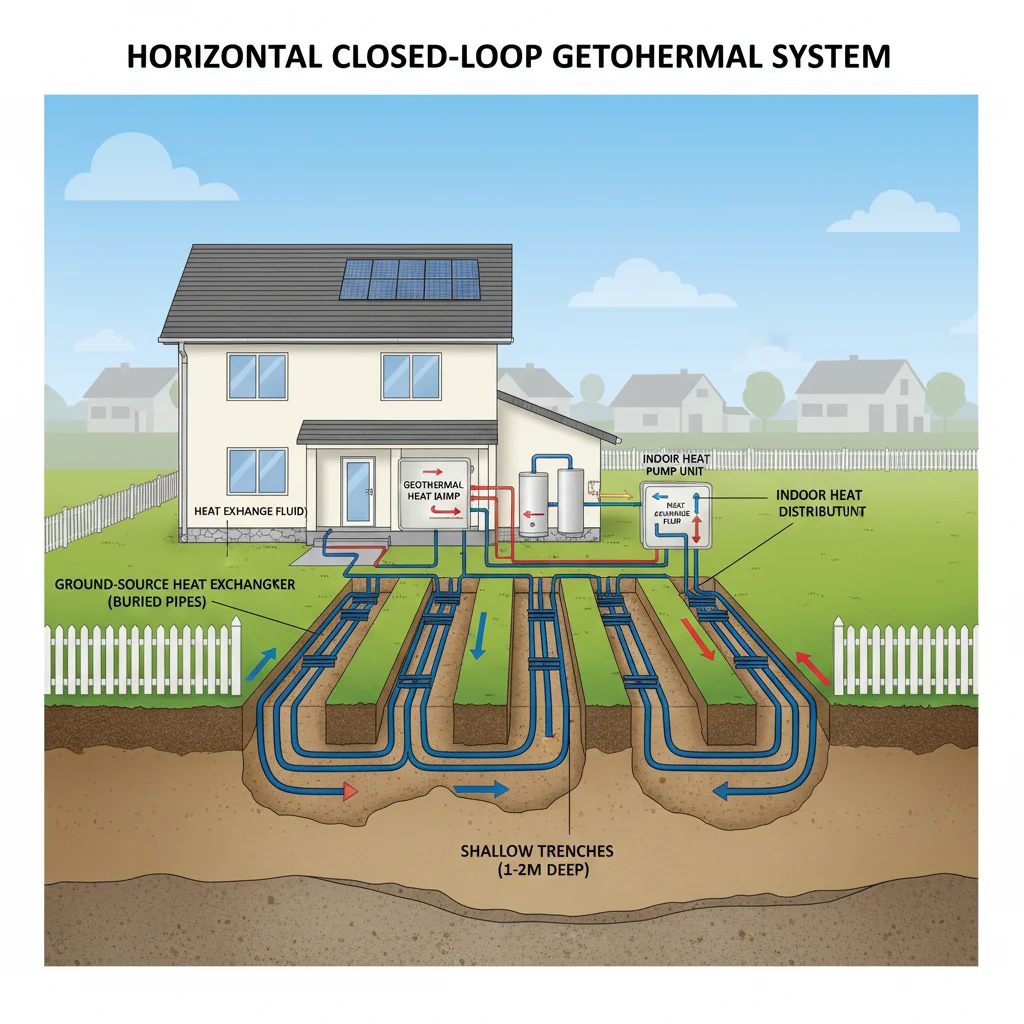
The closed-loop system is by far the most common type of geothermal heating system installed in US homes. As the name suggests, this system uses a sealed loop of buried pipe through which a heat-transfer fluid (a mixture of water and antifreeze) continuously circulates. The fluid never leaves the pipe, hence ‘closed-loop’. These systems are highly reliable, require minimal maintenance, and are suitable for a wide range of properties.
Sub-types of Closed-Loop Systems:
Closed-loop systems are further categorized by how the ground loops are installed:
- Horizontal Loops: These are ideal for homes with ample land availability. Pipes are buried in trenches 4 to 6 feet deep. Multiple trenches may be dug parallel to each other to achieve the necessary loop length. While requiring more land, horizontal installations typically have lower drilling costs than vertical systems. This makes them a popular choice in suburban and rural areas where space is not a limiting factor. The installation process usually involves excavating trenches with heavy machinery, laying the pipes, and then backfilling. Proper compaction and grading are essential to prevent future settling.
- Vertical Loops: When land space is limited, such as in urban or densely populated areas, vertical loops are the preferred option. Boreholes are drilled 150 to 400 feet deep, and U-shaped pipes are inserted into these holes. The boreholes are then grouted to ensure good thermal contact with the earth. Vertical systems minimize disturbance to the landscape and are often chosen for commercial buildings or residential properties with smaller lots. Although drilling costs are higher, the reduced land footprint makes them a practical solution.
- Slinky Loops: This variation of the horizontal loop involves coiling the pipes into a ‘slinky’ shape before burying them in a trench. This allows for more pipe to be installed in a shorter trench length, reducing the overall excavation footprint compared to straight horizontal loops. Slinky loops offer a compromise between the land requirements of horizontal systems and the drilling costs of vertical systems, making them an efficient option for properties with moderate land availability.
Benefits of Closed-Loop Systems:
- High Efficiency: Extremely efficient due to the stable ground temperatures.
- Low Maintenance: Once installed, the underground loops require virtually no maintenance.
- Long Lifespan: Ground loops can last 50+ years, while the indoor heat pump typically lasts 20-25 years.
- Environmental Friendliness: No on-site combustion, reducing greenhouse gas emissions.
- Versatility: Adaptable to various property sizes and geological conditions.
Considerations for Closed-Loop Systems:
- Higher Initial Cost: Installation costs can be substantial due to excavation or drilling.
- Land Requirements: Horizontal loops need significant yard space.
- Installation Disruption: The installation process can be disruptive to landscaping.
Type 2: Open-Loop Geothermal Systems
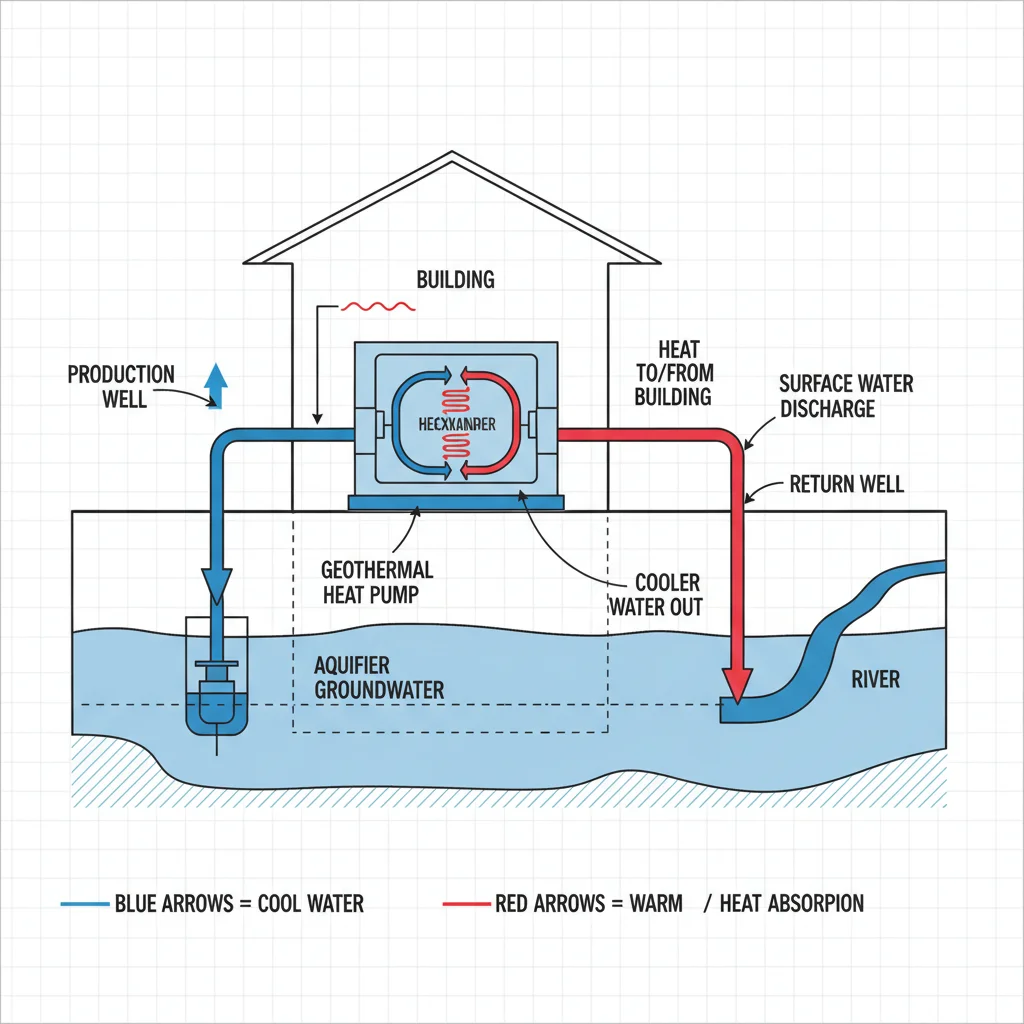
Open-loop geothermal heating systems, also known as ‘pump and dump’ systems, utilize a readily available source of groundwater, such as a well or aquifer, as the heat exchange fluid. Instead of a closed loop of circulating fluid, this system draws water from a well, extracts or rejects heat from it using the heat pump, and then discharges the water back into another well, a pond, or a stream. These systems can be highly efficient, especially in areas with abundant, clean groundwater.
How Open-Loop Systems Work:
The process begins with a supply well pumping water from an aquifer to the geothermal heat pump. Inside the heat pump, heat is extracted from the water (for heating) or transferred to the water (for cooling). The water, now slightly warmer or cooler, is then discharged into a return well or a suitable surface water body. It’s crucial that the discharged water does not contaminate the groundwater source and that local regulations regarding water discharge are strictly followed. The efficiency of an open-loop system is often very high because water is an excellent conductor of heat, and the constant supply of fresh groundwater ensures stable heat exchange temperatures.
Benefits of Open-Loop Systems:
- High Efficiency: Can be more efficient than closed-loop systems due to direct water contact.
- Lower Installation Cost: Often has a lower initial cost if a suitable well already exists or if drilling is less complex than for closed-loop systems.
- Minimal Land Disturbance: Requires less ground excavation compared to horizontal closed-loop systems.
- Consistent Water Temperature: Groundwater temperatures are very stable, leading to reliable performance.
Considerations for Open-Loop Systems:
- Water Quality: Poor water quality (e.g., high mineral content) can cause scaling and corrosion in the heat pump, leading to increased maintenance and reduced lifespan. Water testing is essential.
- Water Availability: Requires a reliable and abundant source of groundwater.
- Regulatory Hurdles: Environmental regulations regarding water discharge can be stringent and vary by location. Permits are often required.
- Pumping Costs: The energy required to pump water from the well can be a significant operational cost, though typically still less than traditional HVAC.
- Maintenance: Filters and heat exchangers may need more frequent cleaning due to sediment or mineral buildup from the groundwater.
Type 3: Pond/Lake Geothermal Systems
For homes with access to a suitable pond or lake, a pond/lake geothermal heating system offers another highly efficient solution. This type of system is essentially a closed-loop system where the heat exchange coils are submerged in a body of water rather than buried in the ground. The stable temperature of a sufficiently large and deep pond or lake provides an excellent medium for heat exchange.
Installation and Functionality:
In a pond/lake system, coils of pipe, typically made of high-density polyethylene (HDPE), are weighted and submerged at a depth where the water temperature remains relatively constant throughout the year (usually at least 8-10 feet deep). The heat-transfer fluid circulates through these pipes, exchanging heat with the pond or lake water. Similar to other geothermal systems, the heat pump then processes this heat for heating or cooling the home. The size of the pond or lake is a critical factor; it must be large enough to provide adequate heat exchange capacity without significantly altering the water temperature or negatively impacting aquatic life.
Benefits of Pond/Lake Systems:
- High Efficiency: Water is an excellent thermal conductor, making these systems very efficient.
- Lower Installation Cost: Can be less expensive to install than traditional land-based closed-loop systems, as extensive excavation or drilling is not required.
- Minimal Land Disturbance: No significant disruption to landscaping around the home, only near the water body.
- Environmental Impact: When properly designed and installed, these systems have minimal impact on the aquatic environment.
Considerations for Pond/Lake Systems:
- Water Body Requirement: Only feasible for properties with access to a suitable pond or lake that meets specific size and depth criteria.
- Permitting: Environmental regulations and permits for placing structures in water bodies can be complex and vary significantly by jurisdiction.
- Maintenance: While the submerged loops require little maintenance, periodic inspections for debris or damage may be necessary.
- Thermal Impact: The system must be designed to avoid significant thermal changes in the water body, which could affect aquatic ecosystems.
Cost Analysis and Return on Investment for Geothermal Heating Systems
The initial investment for any geothermal heating system is often a primary concern for homeowners. While higher than conventional HVAC systems, the long-term financial benefits are substantial. In October 2026, the average installation cost for a residential geothermal system in the US can range from $20,000 to $45,000 or more, depending on the system type, property size, geological conditions, and labor rates. However, this upfront cost is significantly offset by several factors:
- Energy Savings: Geothermal systems typically reduce heating and cooling costs by 30% to 70%. For an average US household, this can translate into savings of hundreds to over a thousand dollars annually. These savings accumulate rapidly over the system’s long lifespan.
- Tax Credits and Incentives: The US federal government continues to offer a significant investment tax credit (ITC) for geothermal heat pump installations. As of 2026, homeowners can claim a percentage of the installation cost as a tax credit. Additionally, many states and local utilities offer their own rebates, grants, or low-interest loans, further reducing the net cost. It is crucial to research current incentives in your specific area.
- Increased Home Value: Homes equipped with geothermal systems are often seen as more desirable due to their lower operating costs, environmental benefits, and modern infrastructure. This can lead to an increase in property value.
- Long Lifespan and Low Maintenance: Geothermal ground loops can last 50 years or more, and indoor components typically last 20-25 years. This far exceeds the lifespan of conventional furnaces and air conditioners (10-15 years), reducing replacement costs over time. Maintenance requirements are also minimal, primarily involving filter changes and occasional professional check-ups.
The payback period for a geothermal system can vary, but with current incentives and energy savings, many homeowners see a return on their investment within 5 to 10 years. After the payback period, the system essentially provides free heating and cooling, aside from the small amount of electricity needed to run the heat pump and circulating pumps.
Environmental Impact and Sustainability of Geothermal Heating Systems
Beyond the financial benefits, the environmental advantages of geothermal heating systems are paramount in today’s climate-conscious world. These systems represent a significant step towards sustainable living and reducing our reliance on fossil fuels.
- Reduced Greenhouse Gas Emissions: By harnessing the earth’s natural energy, geothermal systems eliminate the need for on-site combustion of fossil fuels for heating. This dramatically reduces carbon dioxide and other greenhouse gas emissions associated with home comfort, contributing to cleaner air and mitigating climate change.
- Lower Energy Consumption: Geothermal heat pumps use electricity primarily to move heat, not create it. They are incredibly efficient, typically delivering 3 to 5 units of heat energy for every unit of electrical energy consumed. This high coefficient of performance (COP) means a much lower overall energy demand compared to conventional systems.
- Renewable Energy Source: The earth’s subsurface temperature is a continuously replenished, stable, and inexhaustible source of energy. Unlike fossil fuels, which are finite and contribute to pollution, geothermal energy is a truly renewable resource.
- Reduced Peak Demand: Geothermal systems can help reduce peak electrical demand on utilities, especially during extreme weather, as they are not subject to the same efficiency drops as air-source heat pumps in very cold or very hot conditions.
- Quiet Operation: The outdoor components of geothermal systems are minimal or non-existent, and the indoor units operate quietly, contributing to a more peaceful home environment and reducing noise pollution.
Choosing a geothermal system is an investment in both your home’s future and the planet’s health. It aligns with global efforts to transition to cleaner energy sources and offers a robust, long-term solution for comfortable and environmentally responsible living.
Factors to Consider When Choosing a Geothermal System for Your Home
Selecting the right geothermal heating system involves careful consideration of several factors unique to your property and preferences. In October 2026, homeowners have more options and information than ever, making an informed decision crucial.
- Property Size and Layout: The amount of available land is a primary determinant between horizontal and vertical closed-loop systems. Horizontal loops require more acreage but are generally less expensive to install. Vertical loops are ideal for smaller lots.
- Soil Conditions and Geology: The type of soil, rock formations, and water table depth will influence drilling costs and the efficiency of ground heat exchange. A professional site assessment is essential.
- Access to Water Bodies: If your property has a suitable pond or lake, a pond/lake system could be the most cost-effective and efficient option.
- Groundwater Availability and Quality: For open-loop systems, a consistent supply of clean groundwater is non-negotiable. Water testing is critical to prevent system damage from mineral buildup.
- Local Regulations and Permitting: Each geothermal system type has specific permitting requirements, especially open-loop and pond/lake systems due to water usage and discharge. Researching local, state, and federal regulations early in the process is vital.
- Budget and Financing: While geothermal systems offer significant long-term savings, the upfront cost is a factor. Explore available tax credits, rebates, and financing options to make the investment more manageable.
- System Sizing and Design: Proper sizing of the geothermal heat pump and ground loop is paramount for optimal performance and efficiency. An undersized system will struggle to meet demand, while an oversized one will be less efficient and more expensive. A qualified geothermal installer will perform a detailed load calculation for your home.
- Installer Expertise: Choose a reputable installer with extensive experience in geothermal systems. Look for certifications (e.g., IGSHPA accreditation) and ask for references. The quality of installation directly impacts system efficiency and longevity.
- Home’s Energy Efficiency: Improving your home’s insulation, sealing air leaks, and upgrading windows before installing a geothermal system can further enhance its performance and reduce the required system size, leading to additional savings.
By carefully evaluating these factors, you can work with a geothermal professional to design and install a system that perfectly matches your home’s needs and delivers maximum comfort and savings for decades to come.
The Future of Geothermal Heating and Cooling in US Homes
As we look beyond October 2026, the trajectory for geothermal heating systems in US homes is undeniably upward. Several trends and advancements are poised to make these systems even more accessible, efficient, and integrated into our sustainable energy infrastructure.
- Advancements in Drilling Technology: Innovations in drilling techniques are continually reducing installation times and costs, particularly for vertical closed-loop systems. This makes geothermal a more viable option for a broader range of properties, including those with limited space.
- Smart Home Integration: Geothermal heat pumps are increasingly integrating with smart home technologies, allowing for more precise control, remote monitoring, and optimization of energy usage. This enhances convenience and further maximizes efficiency.
- Hybrid Geothermal Systems: The development of hybrid systems, which combine geothermal with other renewable energy sources (like solar PV) or even traditional backup systems, offers greater flexibility and resilience, particularly in extreme climates or for specific property constraints.
- Standardization and Training: Increased standardization of installation practices and enhanced training programs for installers are leading to higher quality installations and improved system reliability across the industry.
- Government Support and Policy: Continued and potentially expanded federal, state, and local incentives will play a crucial role in driving adoption. As climate change concerns grow, policies supporting renewable energy solutions like geothermal are expected to strengthen.
- Community Geothermal Systems: The concept of district or community geothermal systems, where multiple homes share a central ground loop field, is gaining traction. This approach can significantly reduce individual installation costs and optimize energy distribution for entire neighborhoods.
The long-term outlook for geothermal heating and cooling is bright. As energy costs rise and environmental consciousness deepens, these systems will likely transition from being a premium, niche solution to a mainstream choice for sustainable home comfort. Investing in geothermal today is not just about immediate savings; it’s about preparing for an energy-independent and environmentally responsible future.
Conclusion: Making the Right Choice for Your Home
Choosing a geothermal heating system for your US home in October 2026 is a significant decision that promises substantial long-term benefits. We’ve explored the top three types: closed-loop (horizontal, vertical, slinky), open-loop, and pond/lake systems. Each offers unique advantages and considerations, making the best choice highly dependent on your specific property, local geology, and environmental factors.
Closed-loop systems, particularly vertical installations, offer versatility for various lot sizes and are known for their reliability and minimal environmental impact. Open-loop systems provide exceptional efficiency when clean, abundant groundwater is available, though they require careful consideration of water quality and regulatory compliance. Pond/lake systems are an excellent, cost-effective option for homes situated near suitable water bodies, provided environmental permits are secured.
Regardless of the type, investing in geothermal heating systems means committing to a future of lower energy bills, reduced carbon emissions, and enhanced home comfort. The initial investment, while higher, is increasingly offset by generous tax credits, rebates, and the systems’ unparalleled longevity and low operating costs. As technology advances and societal priorities shift towards sustainability, geothermal solutions are not just an alternative; they are becoming the benchmark for efficient and responsible home climate control.
We encourage homeowners to consult with certified geothermal professionals to conduct a thorough site assessment and receive a tailored recommendation. By taking this proactive step, you can ensure that your transition to geothermal energy is smooth, efficient, and ultimately, a rewarding investment for decades to come.


