Net-Zero Homes 2026: 15% Energy Savings with New Solar Technologies
Anúncios
The dream of a home that produces as much energy as it consumes, a ‘net-zero home,’ is rapidly transitioning from an ambitious ideal to an achievable reality for many homeowners across the United States. With the year 2026 just around the corner, the convergence of technological advancements, increasing environmental consciousness, and compelling financial incentives is making Net-Zero Home Savings not just possible, but highly desirable. This comprehensive guide will delve into the practical solutions, innovative solar technologies, and significant financial impacts that will enable US homeowners to achieve net-zero status, aiming for at least 15% energy savings, within the next few years.
Becoming a net-zero homeowner means taking control of your energy future, reducing your carbon footprint, and ultimately, saving a substantial amount on utility bills. It’s a journey that involves strategic planning, smart investments, and an understanding of the evolving landscape of sustainable home technologies. Let’s explore how you can embark on this transformative path.
Anúncios
Understanding the Net-Zero Home Concept and Its Evolution
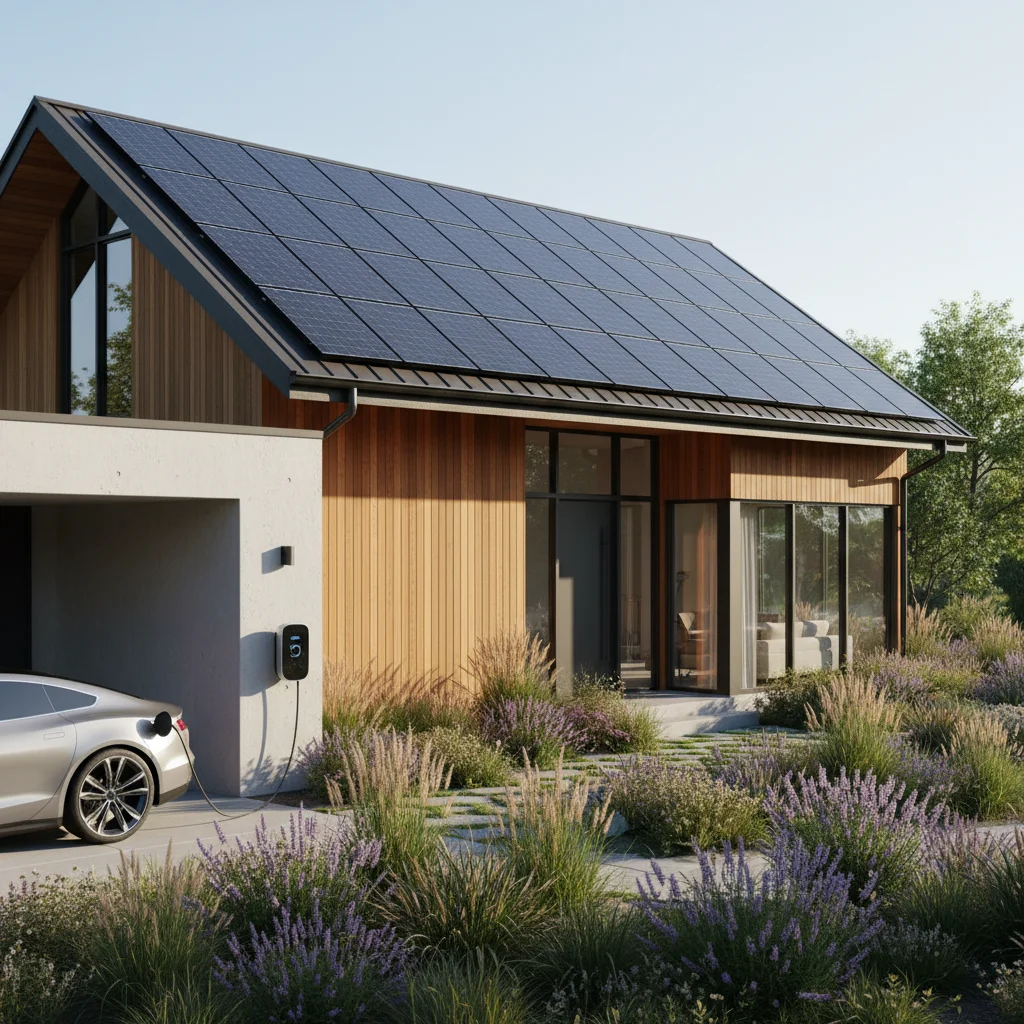
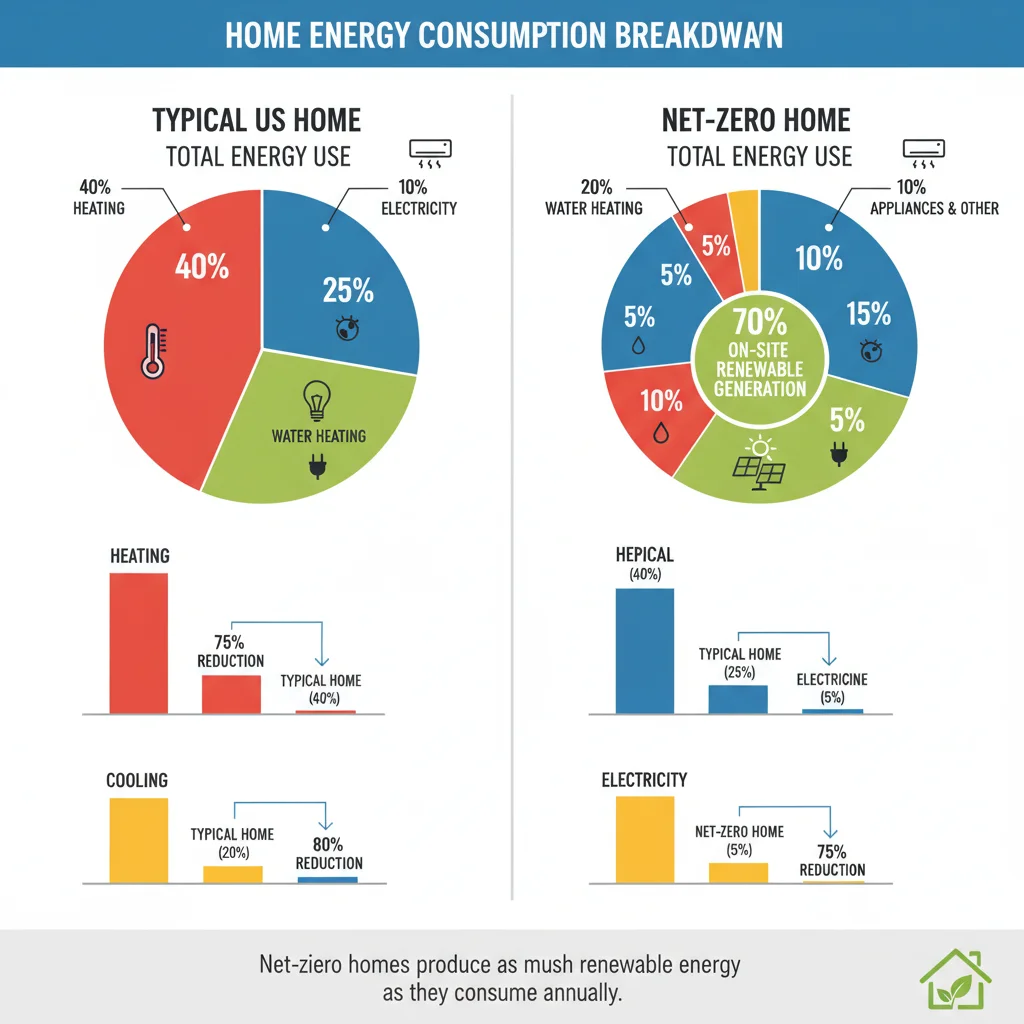
A net-zero home, often referred to as a zero-energy home (ZEH), is a residential building that produces enough renewable energy on-site to meet all of its annual energy consumption. This means that over the course of a year, the total amount of energy used by the building is roughly equal to the amount of renewable energy created on the property. The concept isn’t new, but its widespread adoption and the technologies supporting it have evolved dramatically.
Anúncios
Historically, achieving net-zero status was often cost-prohibitive and technically challenging, requiring custom-built solutions and significant upfront investments. However, with the rapid advancements in solar photovoltaic (PV) technology, battery storage, and energy-efficient building practices, the barrier to entry has significantly lowered. The goal of 15% energy savings is not merely an arbitrary target; it represents a tangible and achievable benchmark for existing homes undergoing retrofits and a foundational standard for new constructions aiming for Net-Zero Home Savings.
The movement towards net-zero is driven by several factors: the escalating costs of traditional energy, growing concerns about climate change, and governmental initiatives promoting sustainable development. As we approach 2026, these drivers will only intensify, making the transition to net-zero an increasingly attractive and responsible choice for homeowners.
The Cornerstone of Net-Zero: New Solar Technologies
Solar energy is undeniably the most critical component in achieving Net-Zero Home Savings. The solar industry has seen exponential growth and innovation, offering more efficient, aesthetically pleasing, and cost-effective solutions than ever before. For 2026, several new solar technologies are poised to make net-zero homes even more accessible and powerful.
High-Efficiency Photovoltaic (PV) Panels
Traditional solar panels have been a game-changer, but new generations of PV panels are pushing the boundaries of efficiency. Monocrystalline panels, for instance, are becoming more refined, offering higher energy conversion rates in smaller footprints. This is particularly beneficial for homes with limited roof space, allowing them to generate more power per square foot. Expect to see panels with efficiencies exceeding 22-23% becoming standard, making the path to Net-Zero Home Savings much smoother.
Building-Integrated Photovoltaics (BIPV)
BIPV technology integrates solar cells directly into building materials, such as roof tiles, facades, and windows. This eliminates the need for bulky, rack-mounted panels, offering a seamless and aesthetically superior solution. Imagine a roof that looks like a conventional shingle roof but is actively generating electricity. By 2026, BIPV solutions are expected to be more robust, affordable, and widely available, allowing homes to generate power without compromising architectural design.
Perovskite Solar Cells
While still largely in the research and development phase, perovskite solar cells hold immense promise. These cells are highly efficient, lightweight, flexible, and can even work effectively in low-light conditions. Although not yet widely commercialized for residential applications, their rapid development suggests they could begin to appear in niche markets or as supplementary solar solutions by 2026, further enhancing the potential for Net-Zero Home Savings.
Advanced Inverter Technologies
Inverters convert the DC electricity generated by solar panels into AC electricity usable by your home. Newer generations of inverters, including microinverters and string inverters with optimizers, are becoming smarter and more efficient. They can maximize power output from individual panels, monitor system performance, and even provide grid services. Smart inverters are crucial for integrating solar with battery storage and managing energy flow within a net-zero system.
Beyond Solar: Holistic Energy Efficiency Strategies
While solar energy is vital, a net-zero home is not solely about generation; it’s equally about minimizing energy consumption. Achieving 15% energy savings and beyond requires a holistic approach to energy efficiency, encompassing every aspect of your home’s design and operation.
Superior Insulation and Air Sealing
The cheapest energy is the energy you don’t use. Excellent insulation in walls, attics, floors, and foundations is fundamental. Coupled with meticulous air sealing to prevent drafts and uncontrolled air leakage, this dramatically reduces heating and cooling loads. Advanced insulation materials like aerogel blankets or vacuum insulated panels (VIPs) might become more common, offering superior R-values in thinner profiles.
High-Performance Windows and Doors
Windows and doors are often significant sources of heat loss or gain. Upgrading to double- or triple-pane windows with low-emissivity (low-e) coatings and inert gas fills (like argon or krypton) can drastically improve thermal performance. Well-sealed, insulated doors also play a crucial role in maintaining indoor temperatures and contributing to overall Net-Zero Home Savings.
Efficient HVAC Systems
Heating, ventilation, and air conditioning (HVAC) typically account for a large portion of a home’s energy use. High-efficiency heat pumps (air source or geothermal) are excellent choices for net-zero homes as they can both heat and cool using electricity, which can then be supplied by your solar panels. Energy recovery ventilators (ERVs) or heat recovery ventilators (HRVs) can provide fresh air while minimizing energy loss, further boosting Net-Zero Home Savings.
Smart Home Technology and Energy Management Systems
Smart thermostats, smart lighting, and integrated home energy management systems allow homeowners to monitor and control their energy consumption with unprecedented precision. These systems can learn your habits, optimize energy use based on occupancy and weather forecasts, and even communicate with your solar and battery storage systems to maximize efficiency and self-consumption. Predictive energy management will be key to optimizing Net-Zero Home Savings.
The Role of Energy Storage: Batteries and Beyond
Generating solar power during the day is excellent, but what happens when the sun goes down or during prolonged cloudy periods? This is where energy storage becomes indispensable for achieving true Net-Zero Home Savings and energy independence.
Residential Battery Storage Systems
Lithium-ion battery storage systems (e.g., Tesla Powerwall, LG Chem RESU) are becoming increasingly common. These batteries store excess solar energy generated during the day for use at night or during power outages. As battery technology advances, costs are decreasing, and capacities are increasing, making them a more viable component of a net-zero system. By 2026, expect even more affordable, durable, and integrated battery solutions.
Vehicle-to-Home (V2H) Technology
Electric vehicles (EVs) are essentially large batteries on wheels. V2H technology allows your EV to not only charge from your home’s solar array but also to discharge power back into your home during peak demand or outages. This bidirectional charging can significantly enhance your home’s energy resilience and contribute to Net-Zero Home Savings by leveraging an existing asset.
Financial Impact and Incentives for Net-Zero Homes
The upfront cost of transitioning to a net-zero home can seem daunting, but the long-term financial benefits and available incentives make it a highly attractive investment. Understanding these financial aspects is crucial for making informed decisions.
Reduced or Eliminated Utility Bills
The most direct financial benefit of a net-zero home is the drastic reduction, and often elimination, of monthly utility bills. Over the lifespan of your home, these savings can amount to tens or even hundreds of thousands of dollars, directly contributing to your Net-Zero Home Savings.
Increased Home Value
Studies consistently show that homes with solar panels and energy-efficient features command higher resale values. As energy costs rise and environmental awareness grows, net-zero homes will become even more desirable, offering a significant return on investment when it’s time to sell.
Federal Tax Credits
The Investment Tax Credit (ITC) for solar energy systems currently offers a significant federal tax credit for homeowners installing solar PV systems. While the exact percentages and eligibility criteria can change, these credits typically cover a substantial portion of the installation cost, making solar more affordable and boosting your journey towards Net-Zero Home Savings.
State and Local Incentives
Many states, counties, and even cities offer additional incentives, rebates, and property tax exemptions for homeowners who invest in renewable energy and energy efficiency upgrades. These can include property tax abatements, sales tax exemptions, and performance-based incentives (PBIs) for solar generation. Researching local programs is essential to maximize your financial benefits.
Net Metering Programs
Net metering allows homeowners with solar panels to send excess electricity generated back to the grid in exchange for credits on their utility bills. This mechanism is vital for achieving net-zero status, as it effectively stores your surplus energy with the utility for later use. While net metering policies vary by state and are subject to change, they remain a key financial component for Net-Zero Home Savings.
Practical Steps to Achieve Net-Zero by 2026
Embarking on the journey to a net-zero home requires a systematic approach. Here are practical steps you can take to achieve your goal by 2026.
1. Energy Audit and Assessment
Start with a professional home energy audit. An auditor will identify areas of energy waste, assess your insulation levels, inspect your HVAC system, and recommend specific improvements. This provides a baseline and a roadmap for your energy efficiency upgrades, crucial for maximizing Net-Zero Home Savings.
2. Prioritize Energy Efficiency Upgrades
Before investing heavily in solar panels, focus on reducing your energy demand. Upgrading insulation, sealing air leaks, replacing old windows, and improving HVAC efficiency will yield the greatest returns and reduce the size (and cost) of the solar system you’ll need. Remember, the less energy you consume, the easier and cheaper it is to get to net-zero.
3. Design and Install Your Solar System
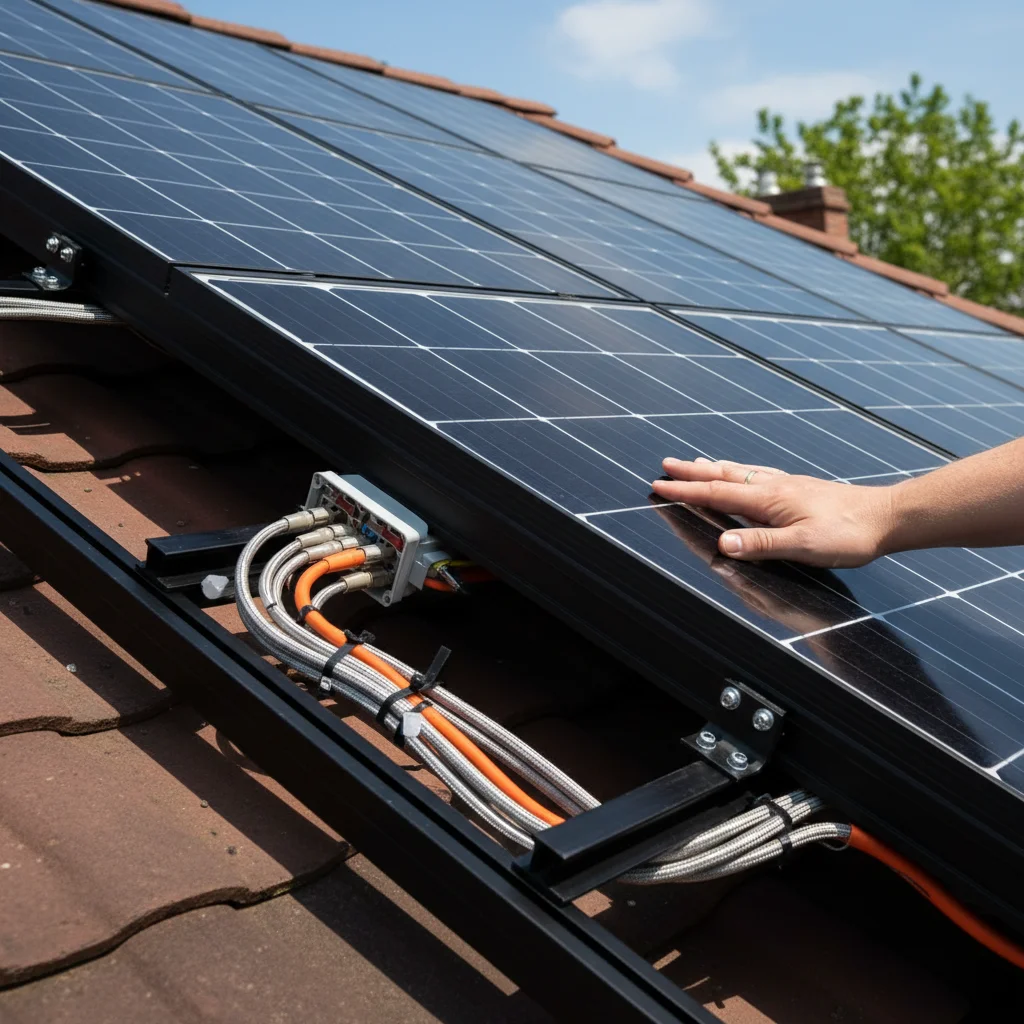
Once your home is as energy-efficient as possible, it’s time to design and install your solar PV system. Work with reputable solar installers who can assess your energy needs, roof characteristics, and local regulations. Consider incorporating battery storage from the outset to enhance resilience and maximize Net-Zero Home Savings.
4. Integrate Smart Home Technology
Install smart thermostats, energy monitors, and other smart home devices to gain granular control over your energy consumption. These technologies empower you to make real-time adjustments and optimize your home’s performance, contributing significantly to long-term Net-Zero Home Savings.
5. Monitor and Maintain
Achieving net-zero is an ongoing process. Regularly monitor your energy production and consumption. Most solar systems come with monitoring apps that provide detailed data. Perform routine maintenance on your solar panels, HVAC system, and other energy-efficient components to ensure they operate at peak performance.
Challenges and Considerations
While the path to Net-Zero Home Savings is clearer than ever, there are still challenges to consider:
- Upfront Costs: Despite decreasing costs, the initial investment for a full net-zero retrofit can be substantial. Careful financial planning and leveraging incentives are key.
- Grid Interconnection: Navigating the process of connecting your solar system to the local utility grid can sometimes be complex, with varying regulations and timelines.
- Roof Suitability: Not all roofs are ideal for solar panel installation due to shading, orientation, or structural limitations. An expert assessment is crucial.
- Policy Changes: Government incentives and net metering policies can change, impacting the financial landscape. Staying informed is important.
The Future is Net-Zero: A Vision for 2026 and Beyond
By 2026, the concept of net-zero homes will be more mainstream than ever. The increasing efficiency of solar technologies, coupled with advancements in building materials and smart home systems, will make achieving 15% energy savings and beyond a standard expectation for new constructions and a highly attainable goal for existing homes. The financial benefits, environmental impact, and enhanced comfort of a net-zero home are compelling reasons for US homeowners to embrace this future.
The journey to Net-Zero Home Savings is an investment in your property, your financial well-being, and the planet. It’s a proactive step towards a more sustainable and resilient future. With the right planning, technologies, and a commitment to efficiency, your dream of a net-zero home by 2026 is well within reach.
Start your energy audit today, explore the latest solar innovations, and take the definitive steps towards realizing significant Net-Zero Home Savings and becoming a leader in sustainable living. The future of housing is here, and it’s powered by the sun.